Source: engadget.com
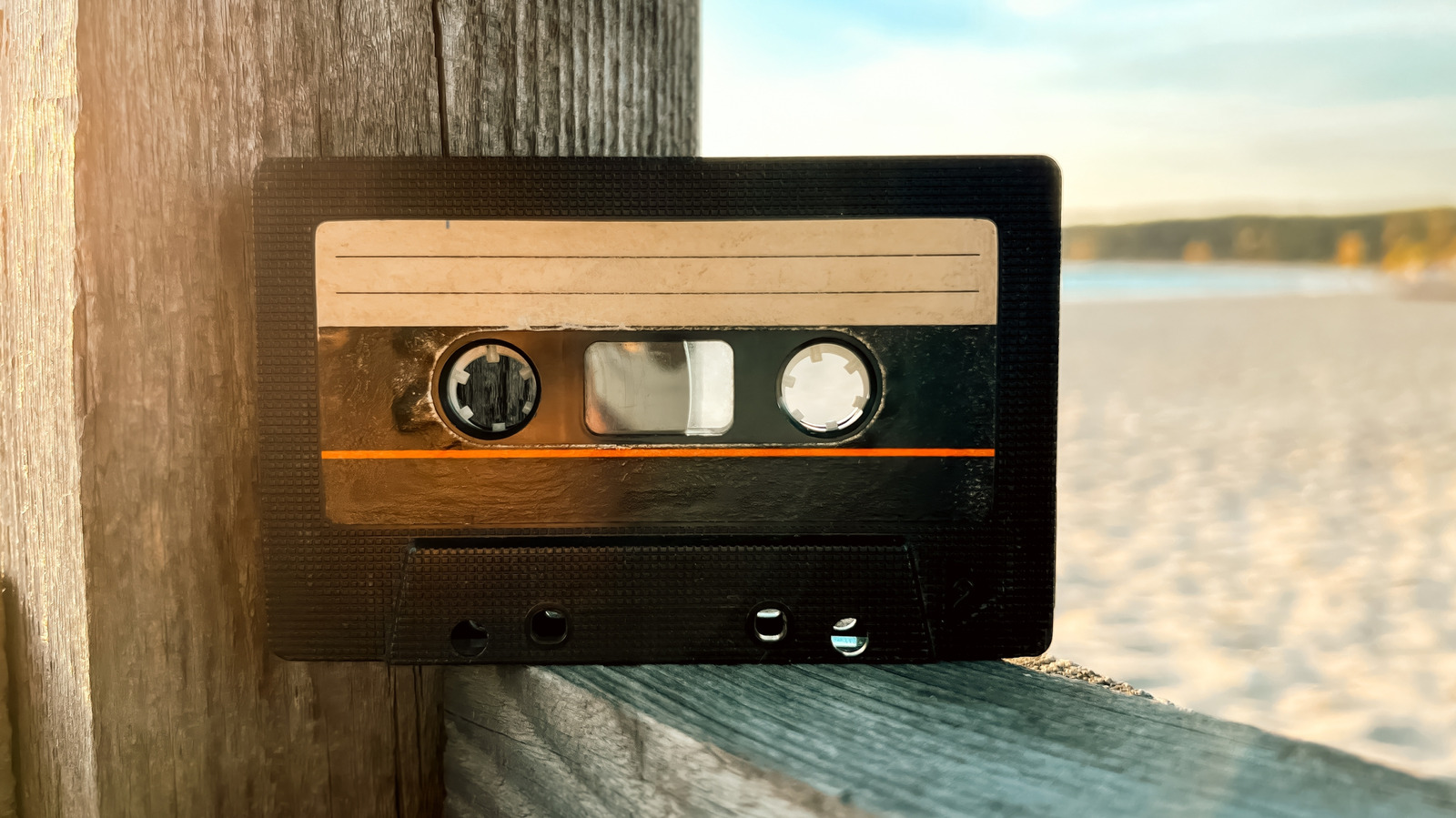
Cassette tapes were the soundtrack of a generation, slipping into pockets, backpacks, and car stereos throughout the 1970s and 1980s. Though compact discs and streaming have long since taken over the mainstream, millions of these magnetic reels still sit in shoeboxes, attics, and closets, waiting for a chance to be heard again. If you’ve ever wondered how much longer your favorite mixtape can survive, the answer depends less on the tape itself and more on how you treat it.
Inside a standard cassette, two small reels are linked by a thin strip of magnetic tape coated with a ferromagnetic material. When you press play, the tape moves past a magnetic head that reads the patterns encoded in the coating, converting them into an electrical signal. That signal is then amplified and sent to speakers or headphones, producing the familiar warm analog sound that many listeners still cherish.
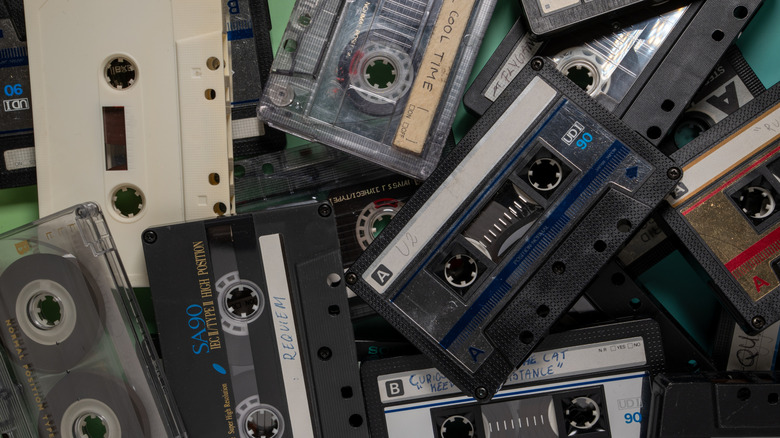
Under ideal, climate‑controlled conditions, manufacturers estimate a lifespan of about thirty years before the binder that holds the magnetic particles begins to lose lubrication and detach. This baseline figure assumes stable temperature, moderate humidity, and protection from light and contaminants. In practice, many tapes from the early 1980s remain playable today, showing that the thirty‑year estimate is a conservative guideline rather than a hard cutoff.

Several environmental factors can dramatically shorten that window. Excessive heat accelerates chemical breakdown, while freezing temperatures can make the tape brittle. Fluctuating humidity promotes mold growth and can cause the binder to become sticky or flaky. Direct sunlight fades labels and can heat the tape unevenly, and dust or dust mites settle on the surface, increasing friction during playback. Even strong magnetic fields—from speakers, routers, or improperly stored magnets—can erase or distort the recorded patterns.
To maximize longevity, store cassettes in a cool, dry place where the temperature stays between 59 °F and 73 °F (15 °C–23 °C) and relative humidity ranges from 25 % to 55 %. Keep each tape in its original plastic case, and occasionally wipe the exterior with a soft cloth or a cotton swab to remove dust. Clean the playback heads of your cassette player regularly with isopropyl alcohol and a soft tip, and rewind tapes to the beginning after each use to prevent uneven winding and stress on the reels. Playing a tape every few months also helps redistribute lubricant and keeps the binder from becoming tacky.
If you want to safeguard the content for the long term, consider digitizing the audio. Connecting a cassette deck to a computer and recording with free software such as Audacity creates a backup that is immune to physical decay. With meticulous care, some experts suggest that tapes could theoretically remain readable for up to a century, allowing future generations to enjoy the same mixtapes, radio recordings, and homemade compilations that defined personal music collections before the digital age. Meanwhile, a niche market of retro‑styled Walkmans and hybrid cassette‑streaming players keeps the format alive for enthusiasts who love the tactile experience of analog playback.
Interest in analog formats has seen a modest revival in recent years, driven by nostalgia and a desire for tangible media. Vinyl records have led the charge, but cassette tapes are following suit, with limited‑edition releases, cassette‑only albums, and boutique labels embracing the format. Retailers now stock portable cassette players that blend classic mechanics with modern features like Bluetooth output, allowing users to enjoy the warmth of tape while still connecting to wireless speakers or headphones. This renewed attention means that preserving your existing collection not only safeguards personal memories but also positions you to participate in a growing community of tape enthusiasts.
Online Assistant