Source: s.yimg.com
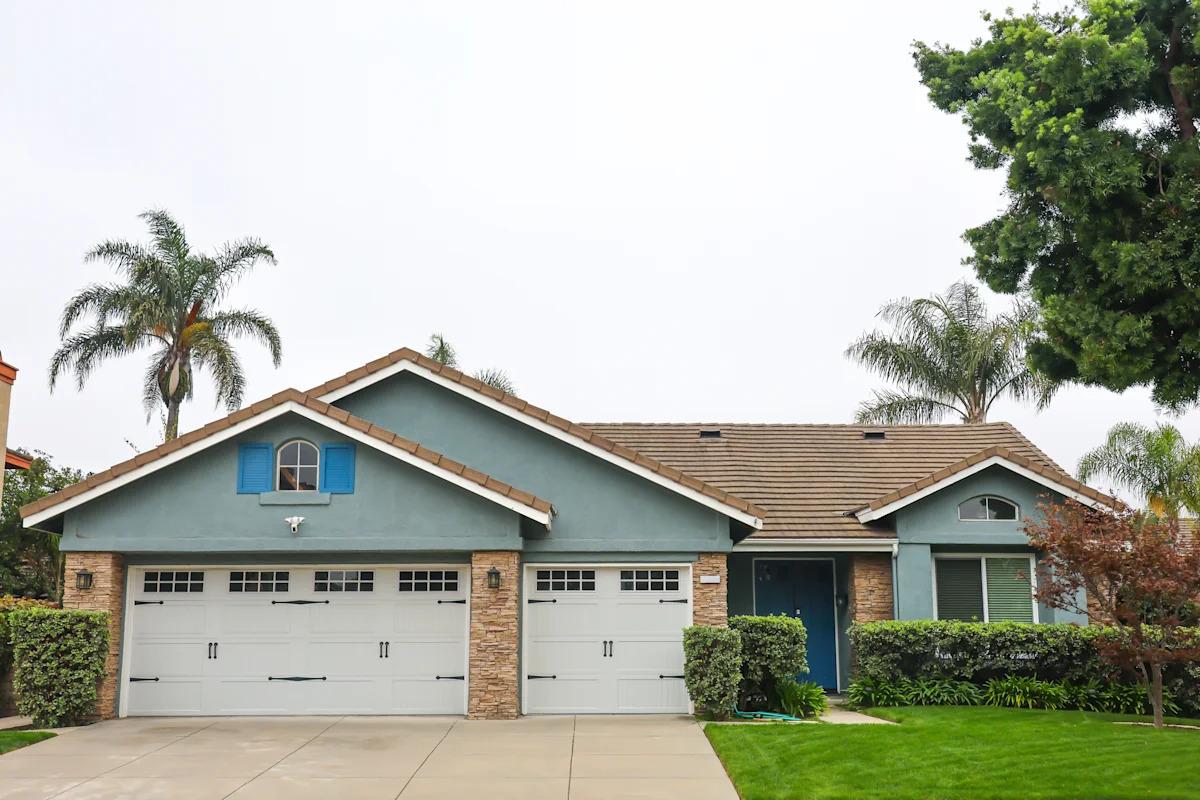
Seller concessions are a crucial aspect of the homebuying process, allowing buyers to negotiate credits or other assistance from the seller. However, these concessions are subject to limits set by each loan program, and understanding these limits can make all the difference in securing the best deal possible.
According to recent data, seller concessions are at near-record highs in today’s buyer’s market. This means that buyers have a good chance of negotiating some credits or other help from their lender. However, it’s essential to know the limits because if you ask for a higher amount, your lender will reduce your concessions at closing, and you’ll get less than you expected.

For conventional loans, the cap on concessions depends on the size of your down payment. If you’re buying a primary home or a second home with a conventional loan, you’re allowed to receive concessions up to 3% if your down payment is under 10%, up to 6% if your down payment is between 10% and 24.99%, and up to 9% if your down payment is 25% or greater.

For example, if you buy a home for $450,000 and make a 5% down payment, your maximum concessions are $13,500. If you put 20% down, you can get up to $27,000 in concessions. Concessions are calculated as a percentage of the purchase price or the appraised value, whichever is lower. You can use concessions to cover closing costs, prepaid expenses, and up to 12 months of homeowners association fees.
Unlike conventional loans, FHA loans don’t limit concessions by down payment size. The maximum seller concessions are 6% of the purchase price or the appraised value, whichever is lower. That’s true even if you’re making the minimum possible down payment of 3.5%.
Online Assistant