Choco Region in Colombia Faces Triple Crisis After Devastating Earthquake
Choco Region in Colombia Faces Triple Crisis After Devastating Earthquake
The devastating earthquake that hit Colombia earlier this month has left a trail of destruction and death in its wake, with the Choco region being particularly affected. Located in the western part of the country, Choco is a remote region that has long struggled with high poverty rates, poor infrastructure, and underfunded health and education services.
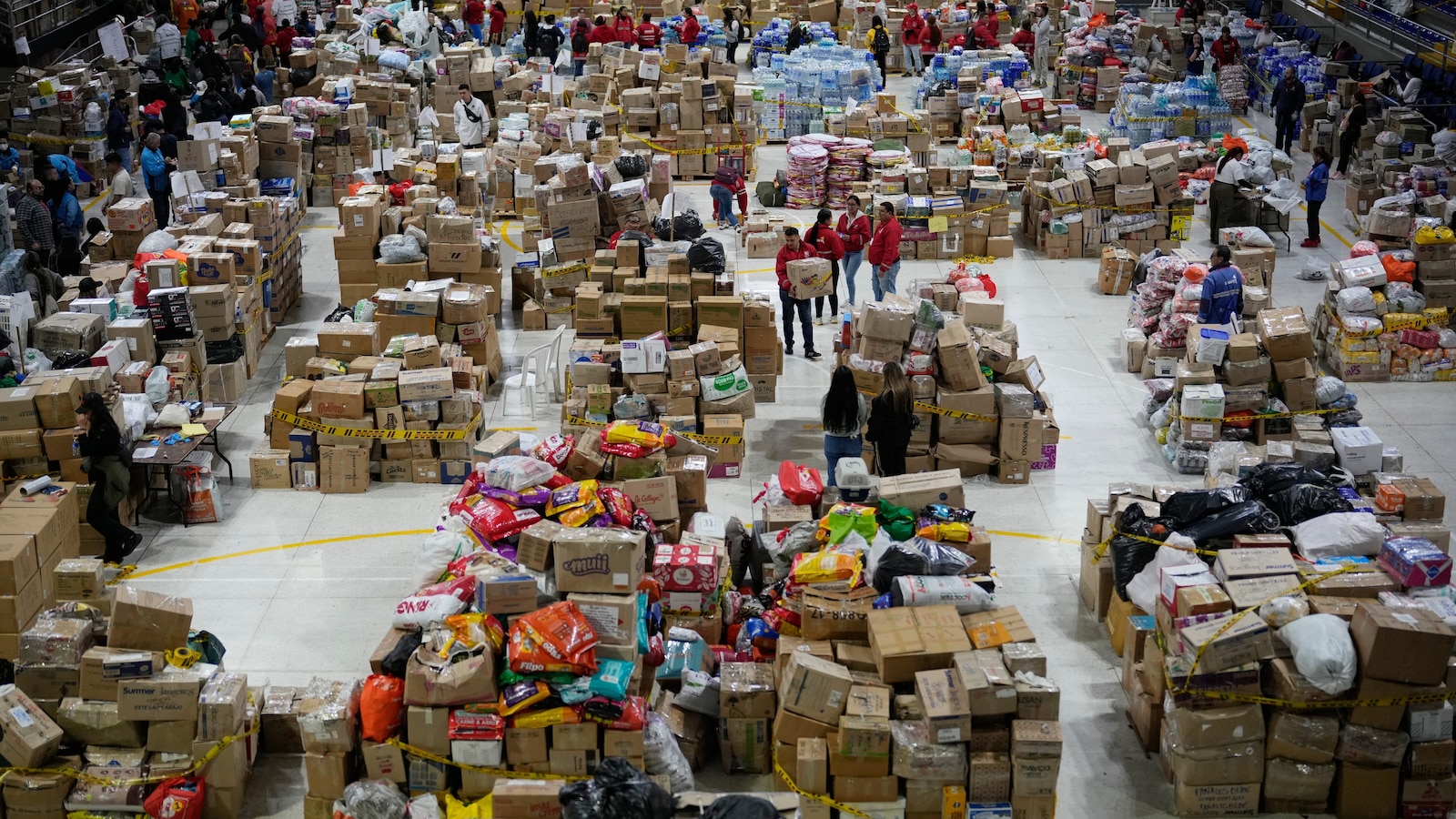
According to figures published by the central government, at least 312 people were killed by the earthquake, which occurred on August 10. Additionally, 29,000 homes were destroyed, leaving thousands of people without shelter. The United Nations Office for the Coordination of Humanitarian Affairs estimates that 69,000 people in Choco were affected or displaced by the earthquake, which is approximately 10% of the region’s population.
The impact of the earthquake has been exacerbated by the region’s poor infrastructure and lack of resources. Many towns in Choco are only accessible by plane or boat, and the roads that connect the region to the rest of Colombia are precarious and prone to landslides. The region’s healthcare facilities are also woefully underfunded, with many hospitals lacking the necessary equipment and personnel to treat patients effectively.
Cristian Maturana, a doctor at Quibdo’s only public hospital, described the scene at the hospital in the days following the earthquake. ‘The emergency room overflowed with patients with broken bones and other injuries,’ he said. ‘We had to fly 36 patients with multiple fractures to a hospital in Medellin because we lacked the necessary personnel and equipment to treat them.’
The hospital’s only refrigerator capable of storing blood donations was also damaged by a power surge following the quake, rendering transfusions impossible. It was replaced over the weekend with a fridge donated by a group of oncologists in Bogota, the country’s capital.
Wiston Mosquera, the Roman Catholic bishop of the Quibdo diocese, expressed his hope that the earthquake would bring attention to the region’s structural problems, including poor healthcare facilities, lack of roads, and permanent problems with the power supply. ‘We are decades behind the rest of Colombia’s regions,’ he said.
Colombian President Abelardo de la Espriella has visited Choco twice since the earthquake and has promised a plan that will include billions of dollars in infrastructure investment and programs to generate jobs. However, many residents of Choco remain skeptical about the government’s ability to follow through on its promises, given the region’s history of neglect.
Ismael Arias, a 66-year-old math teacher who lost his home in the earthquake, expressed his skepticism about the government’s promises. ‘I spent around $32,000 building my home, taking out loans from banks,’ he said. ‘I will be hard pressed to raise those kinds of funds with my current teacher’s salary.’
Choco’s unemployment rate was the highest in Colombia last year, according to DANE, the nation’s statistics agency. The region’s GDP per capita was 14.3 million Colombian pesos in 2025, or about $3,500 dollars, a quarter of Bogota’s per capita income.
The United Nations Population Fund has been supplying kits with personal hygiene products to women affected by the earthquake and working to create safe spaces for women within shelters. ‘We are facing a triple crisis,’ said Luis Mora, the United Nations Population Fund’s representative in Colombia. ‘You have the humanitarian crisis caused by the earthquake, now joining the under development crisis and the crisis caused by armed conflict in this territory.’