Hungary’s Worsening Water Crisis: The Devastating Consequences of Drought
Hungary’s Water Crisis: A National Emergency
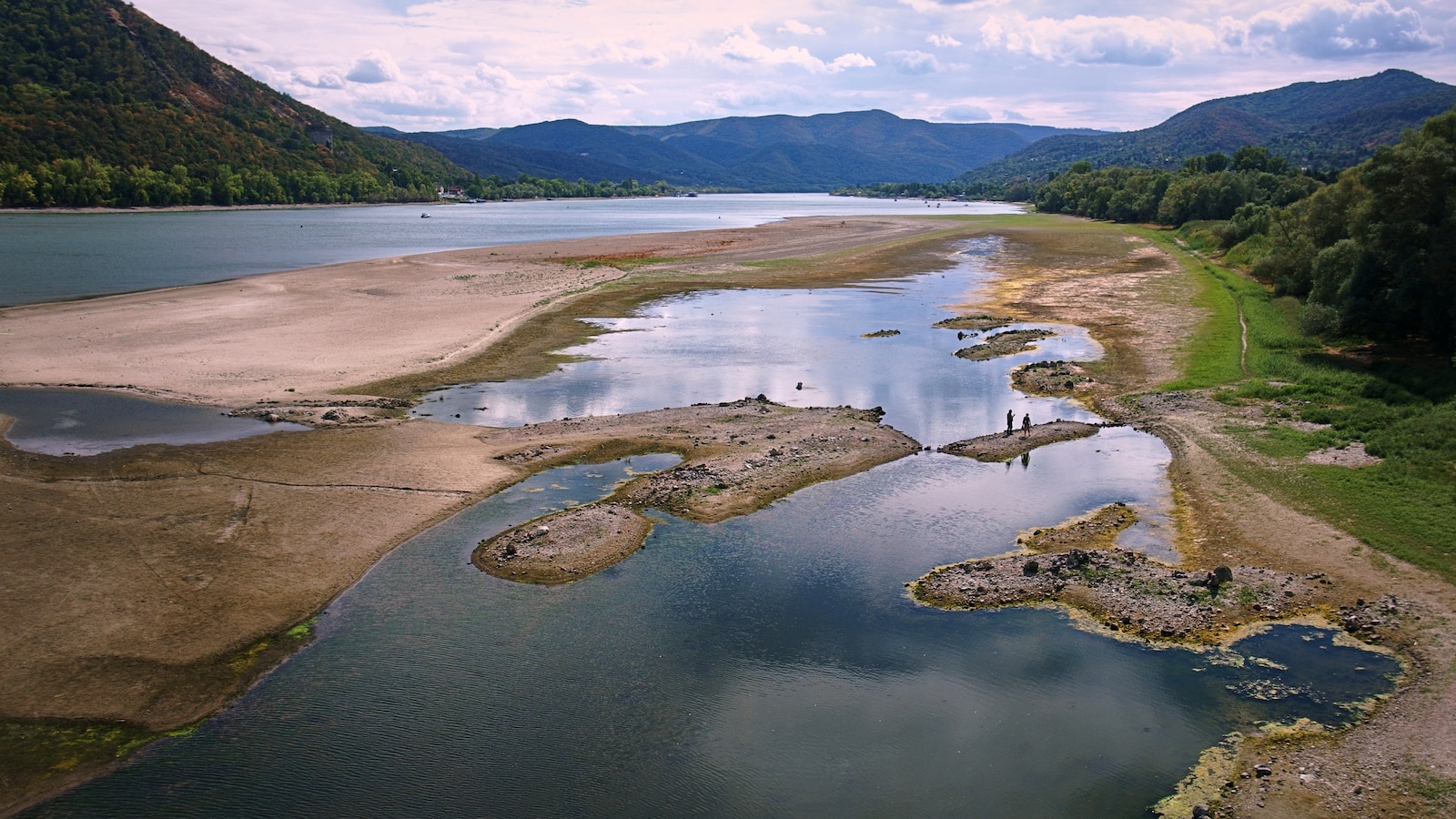
Record-low water levels at Lake Velence have made boating difficult and closed swimming beaches, offering a stark view of Hungary’s worsening water crisis. The lake’s decline is part of a broader water crisis confronting the country, as increasingly prolonged droughts and climate change-driven heat waves have pummeled Europe.
Árpád Selmeci, a 58-year-old fisherman, has lived on Lake Velence since he was a child and has never seen the water so low. ‘I’ve never seen the water so low,’ he said. ‘It’s terrible. My heart aches every single moment.’
This summer, wildfires scorched the continent from the United Kingdom to Greece, while in Hungary, drought has damaged crop yields, led to drinking water shortages, and threatened to shut down the country’s only nuclear power plant.
The Root of the Problem: Drainage and Wetland Loss
Experts say the country’s long-standing practice of channeling water away from its landscape and draining natural wetlands has left it especially vulnerable as droughts become more frequent and severe. Around 99% of Hungary’s lands are currently under severe or extreme drought conditions, according to the national meteorological service.
The country’s network of more than 40,000 kilometers (25,000 miles) of drainage canals, which drain accumulated precipitation from fields, wetlands, and the soil to make room for agriculture and other enterprises, has contributed to a consistent drop in the water table and the drying out of wetlands and topsoil.
Zsuzsanna Ujj, a biodiversity policy specialist and project coordinator with environmental group Friends of the Earth Hungary, said the country ‘has not been a good steward of its waters in the last 200 years.’ A major contributor to this is the lack of natural flooding cycles, which allows the water to evaporate and reduce the chances of localized precipitation.
Ujj said that Hungary needs to realign its water management practices, shifting from a drainage-based approach to one focused on water retention. ‘We do indeed expect water levels to fluctuate more, and we also expect precipitation patterns to become more extreme with drier summers,’ she said.
The Devastating Impact on Hungary’s Environment and Economy
The drying out of Hungary isn’t limited to streams and wetlands. Lake Garancsi, a small recreational lake around 20 kilometers (12 miles) northwest of Budapest, was once a popular destination for fishing, swimming, and ice skating. However, the lake has shrunk so dramatically in recent years that none of the previous recreational activities are permitted, and most of the former lake bed is now exposed, cracked, and dry.
Zoltán Mettner, who runs the Glass Tiger bar on the shores of the lake, said conditions have gotten worse every year. ‘It’s sad enough that we’ve let things get this far, and that we couldn’t have taken gradual steps to prevent this lake from being completely destroyed,’ he said.
Hungary’s new government has promised to begin taking those steps. In late June, Prime Minister Péter Magyar told lawmakers that his government would put water management policies ‘on new footing’ and launch a comprehensive water conservation program to mitigate the effects of drought.