Source: i.ytimg.com
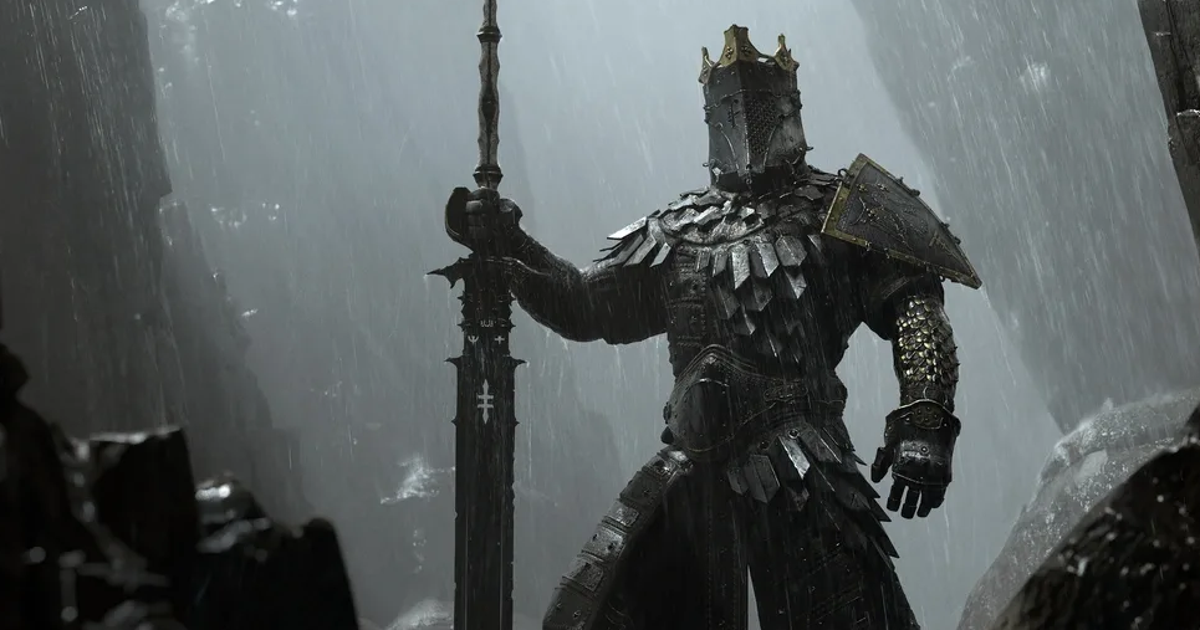
In the increasingly crowded Soulslike genre, a game’s opening minutes need to do a lot of work. The good news for Mortal Shell 2 is its opening is superb, starting as well as it continues, and condensing the magic of its next 30-odd hours into a few minutes with aplomb.
The game starts with your character being woken up by a whisper, before a talking crow with a human skull sets up the mystery: telling you you’re not from this world, and that the people you’re about to meet aren’t like you. You walk through what initially seems to be a normal village festival. The atmosphere is joyful; music is playing; little boys and girls are singing; a woman invites you to a dance. Listen closely, however, and you quickly realise this is more like something out of Midsommar. Everyone is talking in hushed tones about looking their best to ‘meet Mether’. The road through the village ends at a pyre, where it becomes clear exactly what type of festival this is.
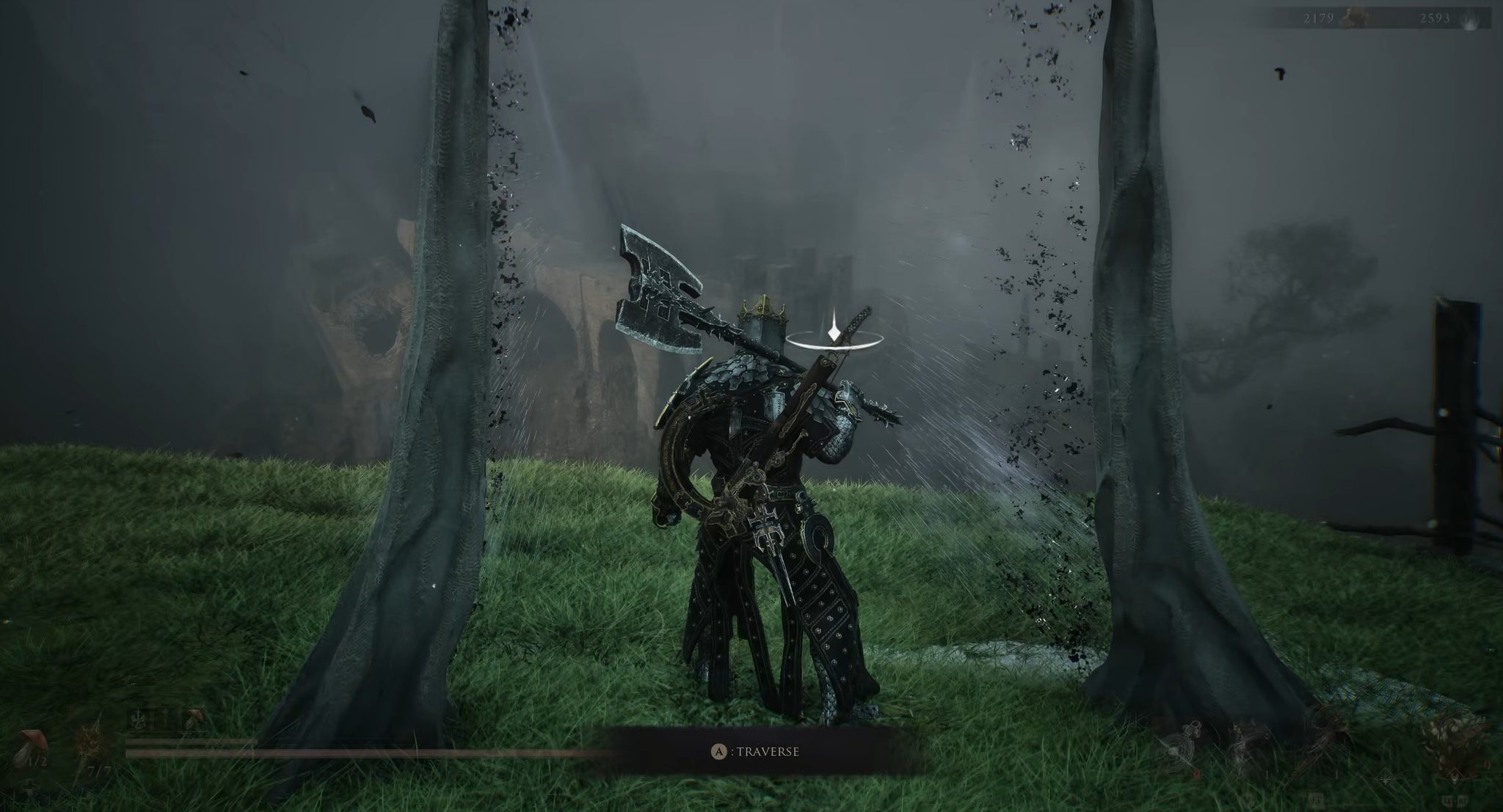
The festival ends the way you expect, my character has a moment with said Mether before grabbing an oval-shaped egg and heading off. This is when Harros is re-introduced; a returning Shell from the first game. After embodying it, you’re set on your way into an open section, where Mortal Shell 2 gets to brilliantly demonstrate its biggest strengths. The grounded, brutal combat, the lack of a stamina bar, your Shell ability, the forgiving parry timing, the Resolve mechanic and its new sidearms. It’s a brilliant teaser, by the end of which I’d fought countless enemies, defeated multiple bosses, and felt the weight of combat as everything clicked into place. It also demonstrates a level of confidence that was clear to see across the rest of the game, and that’s nowhere more clear than with the prologue’s end, where Mortal Shell 2 emphatically cuts ties with the original.

The original game felt like an indie take on Dark Souls 1 – its pacing in particular – though without the RPG mechanics. Combat relied on the same stamina-bound rhythm typical of classic FromSoftware games, so it felt familiar. But the first Mortal Shell introduced its own ideas too, almost as if for an audition for a seat at the Soulslike table. Much of it was a clear first attempt, but it came with a demonstrable passion. The headline addition was its Hardening mechanic, whereby you could turn into stone at the push of a button rather than block. If you weren’t attacking or managing stamina, you were waiting for the right moment to Harden.
And with that there were some drawbacks. The game only had four Shells, and each mapped to an RPG archetype, which felt like a compromise an inexperienced indie team might come up with to make their game stand out. There wasn’t a lot of depth, and the game seemed to almost run out of steam in its final third, with vastly underpopulated areas and a sudden difficulty spike. But I couldn’t help but love it for earnestly attempting to advance the genre, even if technical shortcomings and a lack of polish also got in the way.
Against that first game, Mortal Shell 2 is a highly accomplished sequel – one that could arguably earn a spot amongst the great Soulslikes. Everything has been overhauled, with aspects either replaced with something that fits better within the sequel’s updated designs, or refined to reach the potential its progenitor couldn’t. Perhaps that’s why the game is positioned as a standalone sequel. It takes place in the same general world, brings back some of the original’s Shells, but doesn’t go beyond making rare nods for the lore fiends.
The setup is entirely separate and easy to follow. The Undermether is a god of unknown origin forced to crash-land in the realm after a foul creature latches onto her. The Mether was carrying many eggs (Ova) within her, and, in seeking shelter amongst humanity, they have been stolen. Many have been corrupted, but a few unspoiled Ova remain. You are her child, a Harbinger, hatched out of one of the untainted eggs bearing immense power. Your goal is to bring back your stolen kin. Though you can hold your own in that skeletal form, you’re driven to find a Shell to embody.
The narrative unfolds through interactions with the different factions that sprung up around The Mether’s arrival, and through her devoted servants – who take shelter in a keep carved from her bones – which also acts as your hub area. The other part of the narrative is the personal stories of the Shells, the vessels you inhabit.
Like the original, Shells are what you’ll embody for the entirety of the game. You can switch between them as you like, but I stuck with one for most of my time. Shells don’t offer any perspective of their own, but they all have stories of what they were before, and they sometimes intersect with the A plot, though not enough to give it more depth. Every Shell is based on someone who lived somewhere in the world at some point. By increasing your bond with them, you uncover more of their past and unlock more of their abilities.
This is an area where presentation is drastically improved over the original, with playable vignettes rather than simple memoirs read by the character. You may end up seeing only a few of them, however, as the resource associated with bonding is rare. Over the course of my playthrough, I ended up unlocking one or two memories for most Shells while only fully bonding with one.
Combat in Mortal Shell 2 flows faster than many of its genre contemporaries, in part because, unlike its predecessor, there’s no stamina to worry about. This encourages aggression, and the game uses it to fuel its Resolve mechanic – a resource spent on powerful character abilities and as ammo for ranged sidearms. The more of your melee attacks land, the more Resolve you generate.
This is the single most impactful change from the first game, but I was initially worried it would turn combat into a race of attack spam, taking away the considered approach the original handled so well. You can technically never stop attacking, but enemies in the sequel are designed to work around that and force you into a particular rhythm. They’re more resilient, don’t stagger easily, and often come at you in groups. The rhythm, then, is a flow of prioritising threats, managing crowds, and finding the right window to unleash your Shell abilities.
Though the sequel’s pace may not be as deliberate, attack animations deliver the same tactile heft the original was known for. Hits stagger enemies and visibly scar their bodies as they land. I used the Veteran’s Battle Axe for most of my playthrough, which is notable as I rarely pick heavy weapons in those games. Perhaps I simply couldn’t get over how a horizontal swing at an enemy with low enough health can chop their head clean off.
Mortal Shell 2 has plenty of Souls-y elements, but it’s an action game first, and it commits to that track far more than the original’s somewhat wishy-washy design. This isn’t a game where you’re going to study a character sheet or hoard an arsenal of 50+ weapons, most of which never get used once. There’s only a handful of weapons and a few authored character classes, each specifically tailored for a certain style. It’s a tight focus that gives them all a character, with bespoke animations and unique moves.
The eponymous Shells, meanwhile, are far more important to gameplay than they are to the narrative. You can think of them as the pre-made classes from the start of a FromSoft game, except each one has a unique ability or two, and underlying stats that support that – even if the game never exposes those numbers. Some are clearly better at resisting certain ailments, for instance, or have bigger health bars than others, just as another’s lighter frame is designed for players who like dodging.
Most of my time was spent with Eredrim, an absolute unit of a man whose main ability is to shoulder charge enemies to stun them, opening them up for a follow-up attack. I foresee him being the ‘easy mode’ Shell, in that he’s so straightforward and aggressive that even the most novice players should be able to get the hang of him. That’s not to say he’s weak, however – he’s still a formidable opponent, with a big health bar and plenty of Resolve.
Online Assistant