Source: s.yimg.com
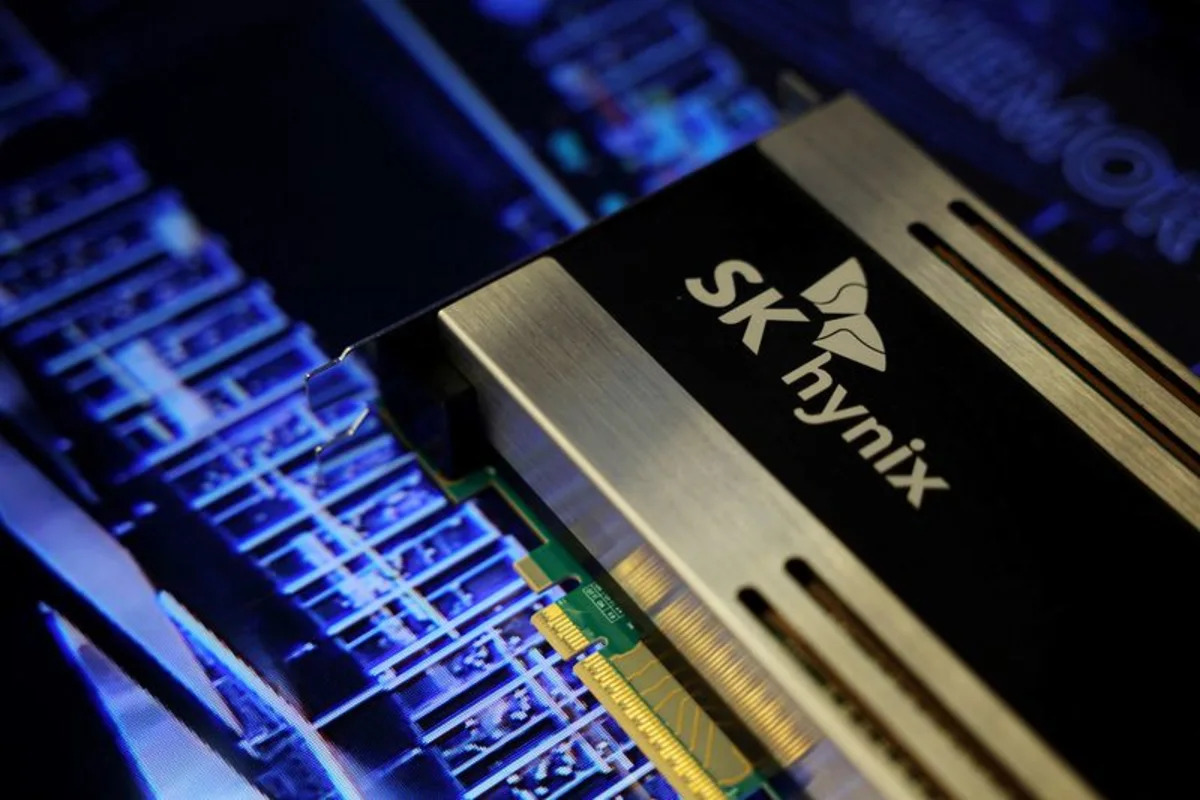
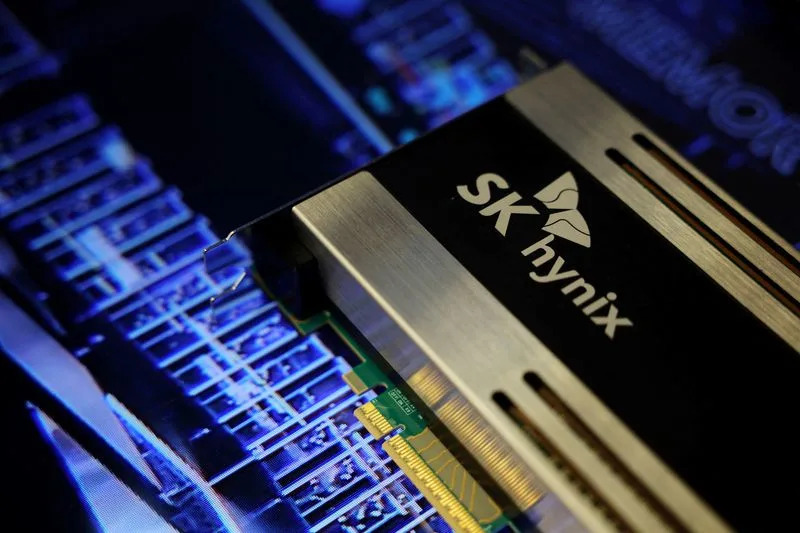
Chipmaker SK Hynix has reached a tentative wage deal with its South Korean workers, which will see them receive at least 60% of this year’s bonuses in company stock rather than the all-cash payout they received last year.
The news sent SK Hynix stock soaring 4% before the bell on Thursday, following the announcement.
The AI boom has had a significant impact on SK Hynix’s earnings, leading to eye-popping bonuses for its employees. According to Reuters calculations, workers are set to be paid an average of 779 million won ($547,000) for 2026.
Management Professor Kim Yong-jin from Sogang University stated that the agreement is a win-win solution for both SK Hynix and its workers. An all-cash payment would have placed both the company and its workers in a difficult position, draining the company’s cash reserves and potentially triggering a public backlash over lavish payouts.
The agreement is subject to a vote by union members, an SK Hynix spokesperson confirmed. Last year, SK Hynix agreed to share 10% of its annual operating profit with workers in cash under an agreement that would remain in place for 10 years.
This year, however, management’s proposal to pay more than half of bonuses in shares met with opposition from some workers concerned about the volatility of SK Hynix’s shares. The stock hit a record high in June on excitement over the AI boom before slumping on fears that too much money is being spent with insufficient reward.
Under this year’s agreement, employees will receive 40% of their bonuses in cash and 40% in stock. The stock portion can be cashed out immediately. The remaining 20% will be paid in stock as deferred compensation: half after one year and the rest after two years.
The deal also includes a 6.3% increase in base wages and a clause allowing the company to defer up to 3% of wages should SK Hynix record losses. Labor and management came up with their own breakthrough without relying on external mediation or systems, SK Hynix stated in a statement.
SK Hynix also announced that it would buy back and cancel 40 trillion won ($28.6 billion) of treasury shares and allocate more than 50% of free cash flow generated between 2025 and 2027 to boost shareholder returns.
Online Assistant