The Astonishing Power of Owning Your Story: How Misrepresented Narratives Can Harm Mental Health
The Power of Narrative: A Story of Misrepresentation
Losing control of your story can have profound psychological consequences. A false narrative can eclipse the truth entirely and persist for decades, even against our explicit wishes. Reclaiming and publicly redeeming our own stories is what determines long-term health and recovery.
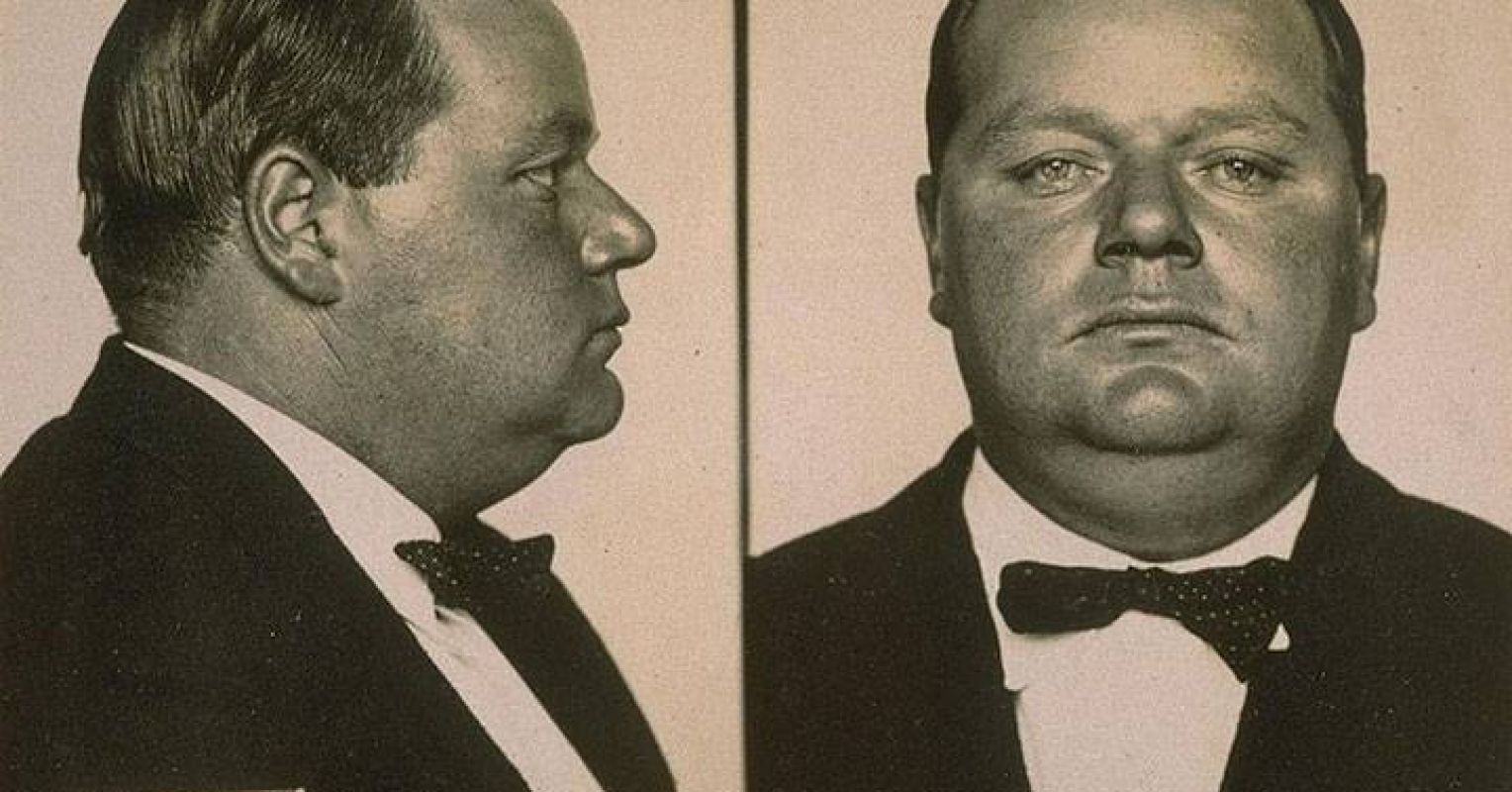
Fatty Arbuckle, a silent era movie star, and Alex Hai, the first female gondolier, are two examples of individuals whose stories were misinterpreted and misrepresented. Arbuckle was accused of murdering actress Virginia Rappe, while Hai was mistakenly identified as the first female gondolier. These false narratives were so persistent and widespread that they completely eclipsed both men’s true stories.
The power of a person’s ability to author their own story goes far beyond feeling seen. While Arbuckle and Hai’s stories run parallel for a spell, the point at which they diverge offers us real-life wisdom about the power of narrative, for better or worse.
Fatty Arbuckle’s Tragic Misrepresentation
Fatty (Roscoe) Arbuckle was robbed of his own narrative agency as soon as he was born, with his small-framed father refusing to believe this 13-pound baby was his. Accusing Arbuckle’s mother of infidelity, he named their son after a despised, philandering politician of the era.
Little Roscoe was forced to earn his own living starting at age 11, and from these humble beginnings, he became the world’s highest-salaried actor by age 32. And by age 34, he was on trial for murder.
The sensationalist media mogul William Randolph Hearst leveraged America’s mistrust of Hollywood’s excesses with straightforwardly dishonest headlines like, “…Virginia Rappe, Victim in Arbuckle Orgy.” Editorial columns in Hearst’s publications frequently referred to the actor’s size, likely originating the narrative that her ruptured bladder was the result of him crushing her. The rest of the nation’s media followed suit.
Arbuckle was instantly blacklisted. Despite his acquittal and full legal exoneration, public opinion would not turn so easily. Eight long years later, Hollywood finally welcomed him back. He accepted an offer for a feature-length film on June 28, 1933. While out celebrating with friends that night, he reportedly said, “This is the happiest day of my life.” He died of a heart attack in his sleep that night. He was 46.
No Framework for Alex Hai’s Truth
Like Fatty Arbuckle, Alex Hai suffered parental rejection and narrative theft. Assigned female at birth, Alex recalls knowing by age three that he was not a girl, which his parents couldn’t accept. He left home at age 15 and initially landed in Hamburg’s red-light district. Through resourcefulness, luck, and others’ kindness, Alex learned a better way of living, got a job, and eventually studied film in university.
While in Venice on a film project, Alex became obsessed with the idea of being a gondolier and decided to stay. Still living and presenting as female, Alex managed to find a guild that would allow him to hang around and repair boats. He eventually learned to row, and by the time he tested for licensure, two things had transpired: He was widely considered one of the very best rowers in Venice, and the media had gotten a hold of the “first female gondolier” story.
Alex had refused to speak with reporters. He had no desire to be framed as a feminist icon, but it was the mid-nineties, and the idea that he was trans was just too complicated for anyone to understand. It was a story written against his explicit wishes that would shape the coming decades for Alex. The guild believed he had intentionally sought the media attention and turned their backs on him. The judges failed him on his exam out of sheer prejudice, twice.
Thus began many years of legal battles. As Alex focused on fighting for his right to row, not thinking about gender much at all, the “first gondoliera” narrative was beginning to spread internationally. When he finally gained the right to work as a gondolier and was building his business, he tried to lean into what the world said he was, even briefly advertising himself as, yes, prima gondoliera.
And then began the depression, which would come and go for years, and which almost destroyed him after his boat was confiscated by authorities with no legal explanation. Utterly defeated, physically ill, and credibly concerned about transphobic violence as awareness of his identity grew, Alex returned to Germany, something he never intended to do.
And here is where the Arbuckle-Hai road forks.
Redemption Through Expression
In Berlin, Alex gradually gained a supportive community and began to create again. He wrote a roman à clef novel (“fiction to protect the guilty”), and now produces a steady stream of poetry and visual art. He has medically transitioned and is safely recovering from years of emotional trauma, in part by telling his story through creative expression.
Arbuckle and Hai’s stories aren’t outliers. Richard Jewell discovered a bomb at the 1996 Olympics, which did detonate and claim two lives, but his quick action saved hundreds more. The FBI investigated him as a suspect in the bombing, and the media sank its teeth into a lone-wolf, frustrated loser narrative. Jewell was exonerated and won a few defamation lawsuits but died of heart disease in 2007 at age 44.
Lindy Chamberlain was accused of murdering her 9-week-old daughter, who had in fact been pulled from Lindy’s tent by a dingo. The public didn’t believe her grief, perceiving her calm demeanor as cold or psychopathic, accusing her of occult practices. This overwhelming public opinion led to blatant misinterpretation of the evidence, and she was convicted. Later exonerated, Lindy has gone on to forgive the condemnation, write an autobiography, speak publicly, and advocate for legal reform.
Other notable examples include:
- The Central Park Five, who all served several years in prison for a crime they didn’t commit, have reclaimed their stories in various ways, including by entering politics, authoring books, public speaking, and a defamation lawsuit.
- Monica Lewinsky had an affair in the mid-90s with then-president Bill Clinton, which was dragged into impeachment hearings and nasty jokes. She quickly published a biography, telling her own story, and today, she is an advocate against cyber-bullying.
Indeed, research finds that taking back our abused or misused narratives is a powerful catalyst to healing, builds resilience, and improves self-efficacy (Adler 2012; Adler 2015). Meanwhile, having one’s narrative stolen, silenced, or invalidated inflicts an existential wound, dis-integrating the self, robbing us of personal agency, and ultimately resulting in chronic self-doubt, severe depression, anxiety, and complex trauma. And as we see in the cases of Fatty Arbuckle and Richard Jewell, these mental health states have a negative impact on cardiovascular health (Cohen, Hendrickson, Lippi). Owning our story isn’t only about feeling understood. It can determine life-and-death outcomes.