Tooth Count May Predict Survival After Pancreatic Cancer Surgery
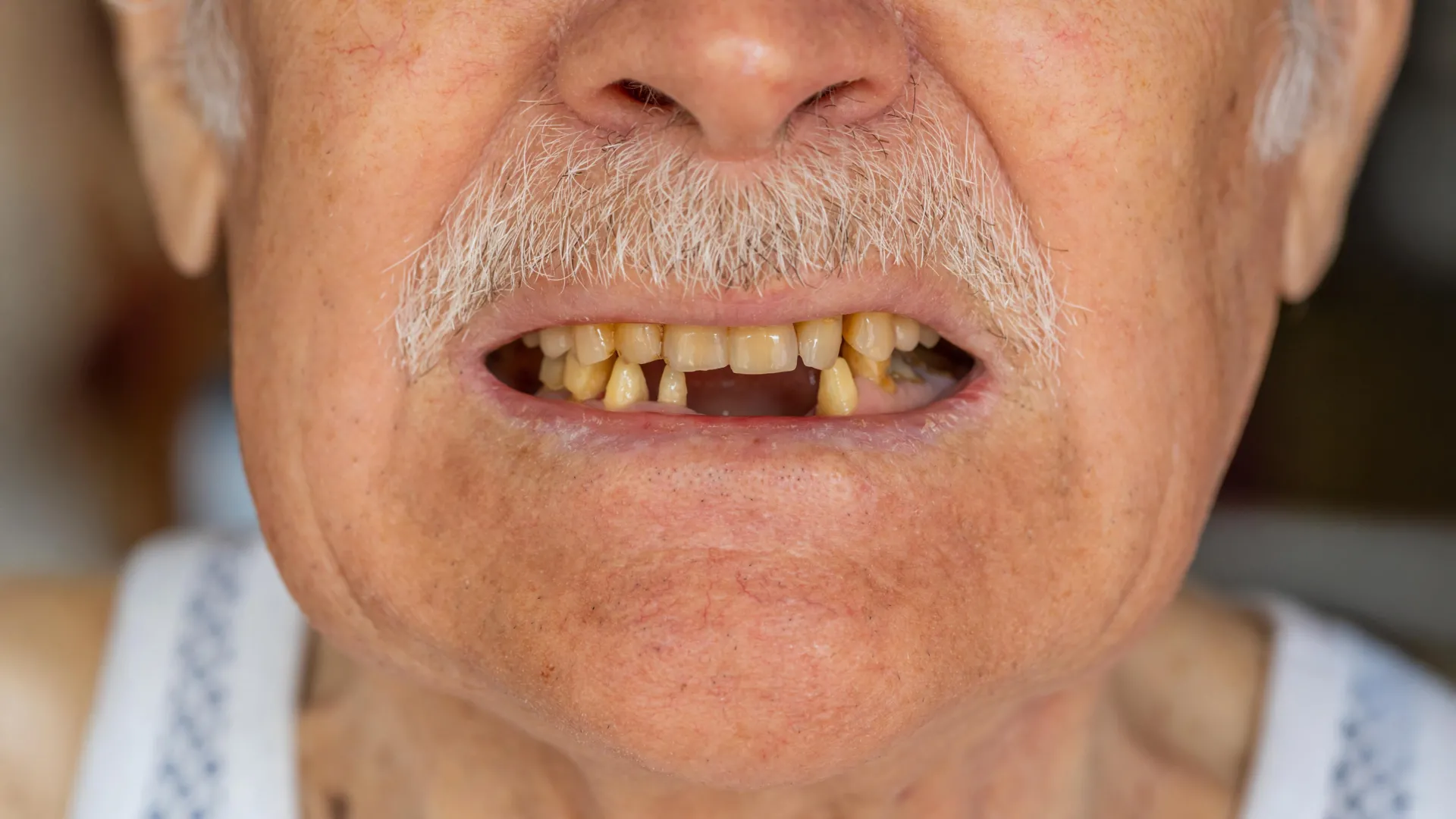
Oral Health Plays a Crucial Role in Cancer Survival
Researchers at Hiroshima University have discovered a groundbreaking link between oral health and the survival rate of patients with pancreatic ductal adenocarcinoma (PDAC), a highly aggressive form of cancer.
The study, published in the Journal of Hepato-Biliary-Pancreatic Sciences, involved 339 consecutive patients who underwent radical pancreatectomy between 2014 and 2022. Before surgery, every patient received a dental examination to assess their oral health.
The researchers found that the number of natural teeth a person has may provide valuable clues about their long-term survival after surgery for PDAC. Patients with 21 or more natural teeth had a median overall survival of 60.7 months, while those with 20 or fewer teeth had a median survival of 39.1 months.
The study’s lead author, Kenichiro Uemura, associate professor at Hiroshima University’s Graduate School of Biomedical and Health Sciences, explains: ‘The fact that chewing ability itself was not independently tied to survival suggests that the number of teeth may be acting as a broader marker of health rather than simply a measure of how well someone can eat.’
The research highlights the importance of oral health in cancer care and suggests that a simple dental examination could provide valuable insights into a patient’s overall health and survival prospects.
According to the researchers, tooth loss could reflect the accumulated effects of chronic inflammation, frailty, nutritional health, lifestyle, and other systemic stresses experienced over many years.
The study’s findings have significant implications for the management and treatment of pancreatic cancer, and the researchers call for further research to investigate the relationship between oral health and cancer survival.
The study’s authors conclude: ‘Our ultimate goal is to establish a new perspective in pancreatic cancer care: prognosis may depend not only on tumor biology, but also on the patient’s long-term systemic condition and oral health environment.’