Source: media.cntraveler.com
Niigata prefecture, located in Japan’s northwestern coast, is renowned for its snow country. The region’s unique climate, characterized by extreme seasonal contrasts, has given birth to one of its most enduring traditions: fermentation. The most notable of Niigata’s fermented foods is its sake, made from the region’s prized rice, which is nourished by mineral-rich meltwater from the surrounding mountains.
The sake-making process involves inoculating the rice with koji, a culinary mold, and then aging it in snow-cooled warehouses called yukimuro. This centuries-old technique allows sake to ferment at a low and slow 37 degrees Fahrenheit. However, few outside the prefecture are aware of Niigata’s diverse array of fermented foods, such as kanzuri, a fiery paste made with koji, yuzu, and summer-grown chilies that are snow-bleached every winter; or sakasuke, a tart, velvety mash of sake lees.
Nagaoka, an industrial river port city, is affectionately known as Fermentation Town. The region’s heavy snows purify the air and insulate the food warehouses, locking in the high humidity and stable chill necessary to nurture delicate winter koji and yeast strains without catastrophic temperature spikes. Nagaoka boasts a walkable one-mile-long fermentation trail called the Hakko Trip, featuring six stops and taking approximately two hours to complete.
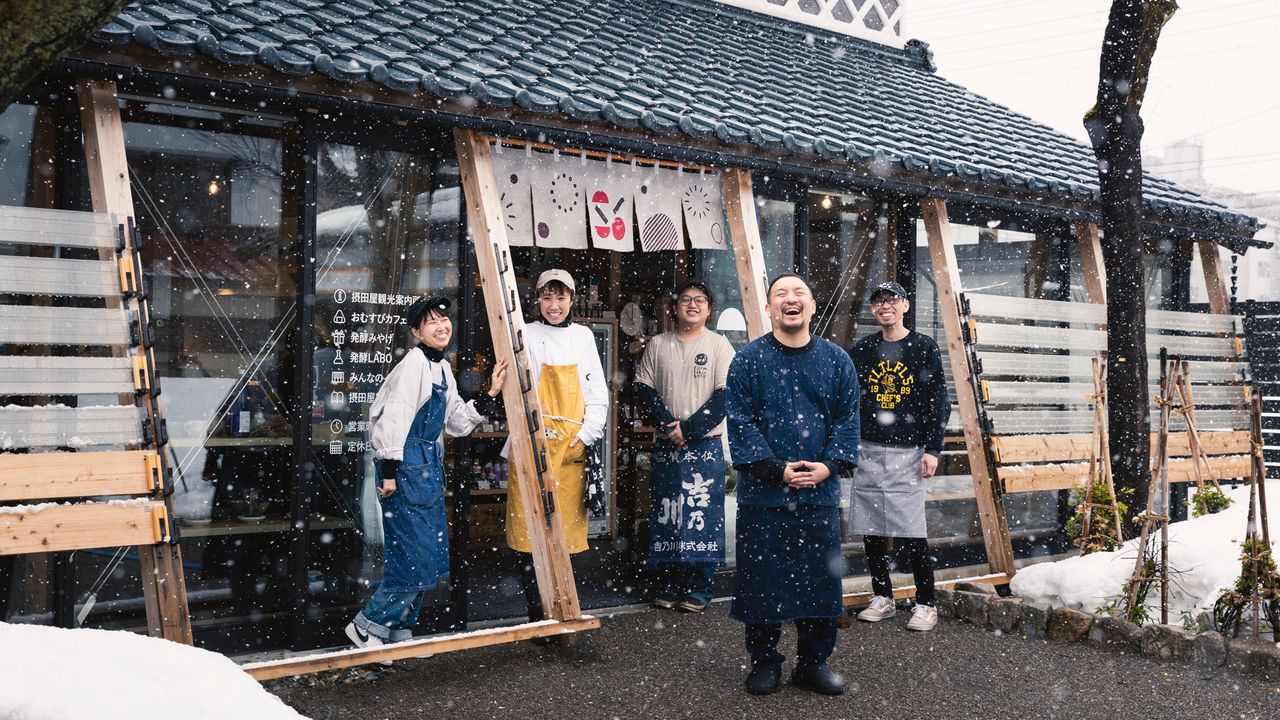
My journey along the fermentation trail began at Willow House, a café and bakery that has put a modern spin on Niigata’s ancient culinary craft. The bakery churns out a rotation of sourdough breads, caramelized apple rolls, and gratin toast with dashi-infused béchamel, while the café offers a snack menu featuring miso pickled potato salad, fermented summer tomato salsa, and snow-aged ham.
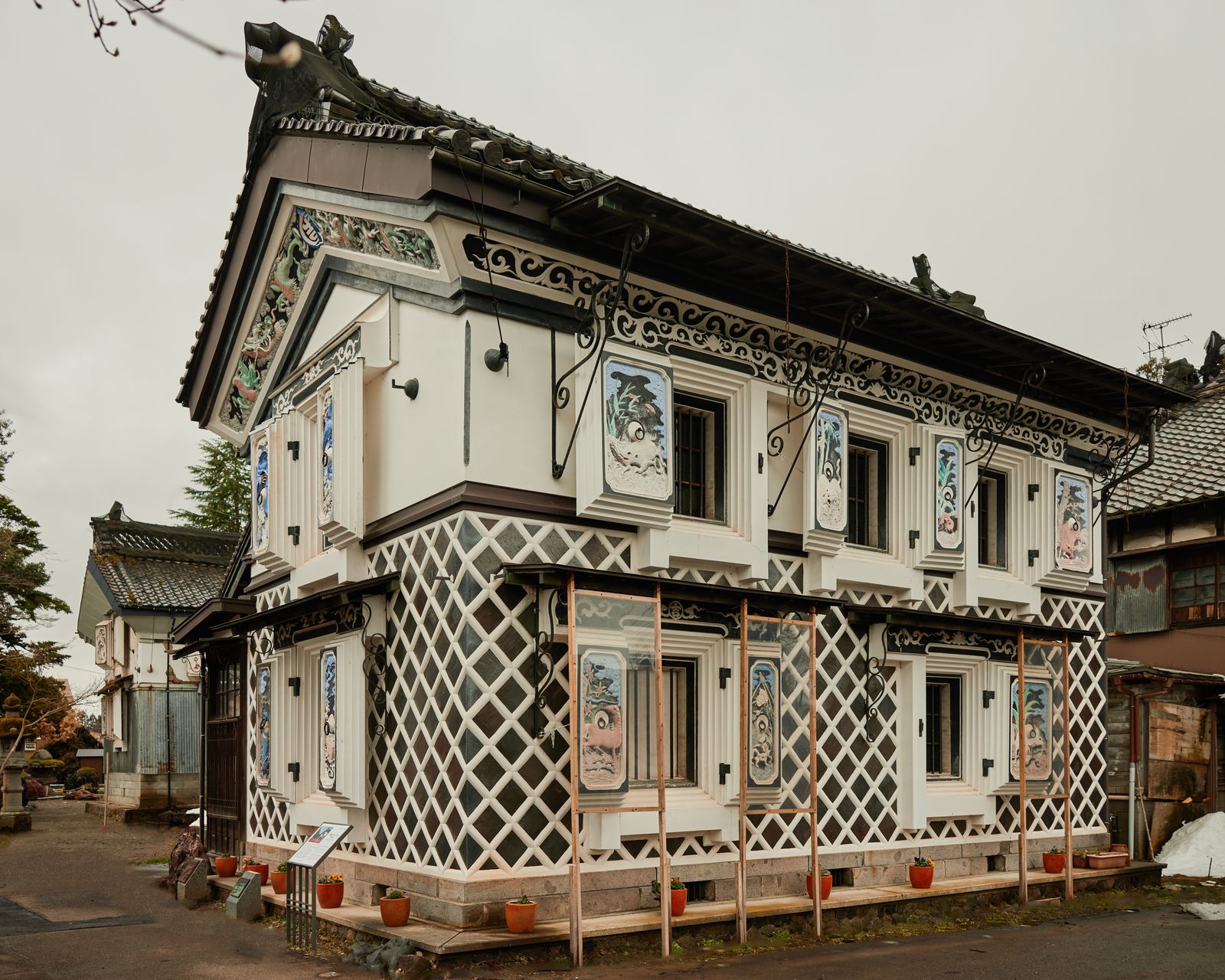
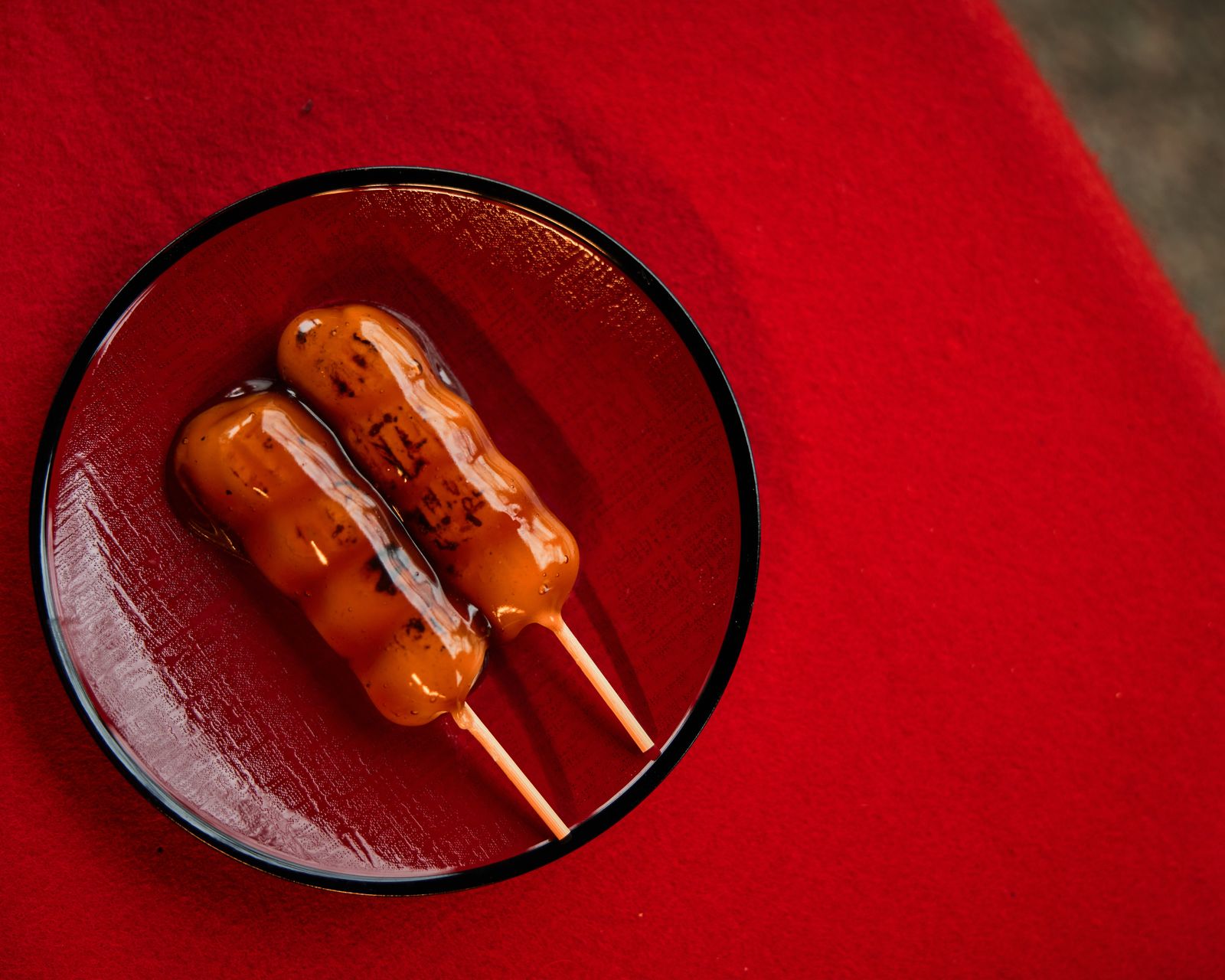
Next, I visited Eguchi Dango, a historic fourth-generation wagashi sweets shop, where I sampled skewers of rice dumplings coated in a sticky-sweet fermented soy sauce glaze. The Settaya 6th Avenue Fermentation Museum Komegura was another essential stop, located in the former warehouse of a saffron sake brewery. Its exterior is decorated with colorful Chinese zodiac panels, while inside is a lab with exhibits on fermentation and a café. The gift shop sells miso, amazake, and bottles of saffron liqueur made from a recipe patented in 1884.
A short detour off the trail led me to heritage miso producer Yanagi, the first in Japan to make koji with brown rice. There, I feasted on a miso-themed lunch among wood vats filled with fragrant brews. I also dropped in at Nakagawa Sake Brewery, which spearheaded the revival of Gouriki, a near-extinct indigenous local heirloom rice variety. My journey concluded at Yoshinogawa, the oldest of Niigata’s 91 sake breweries, founded in 1548 and continuously brewing sake for 478 years.
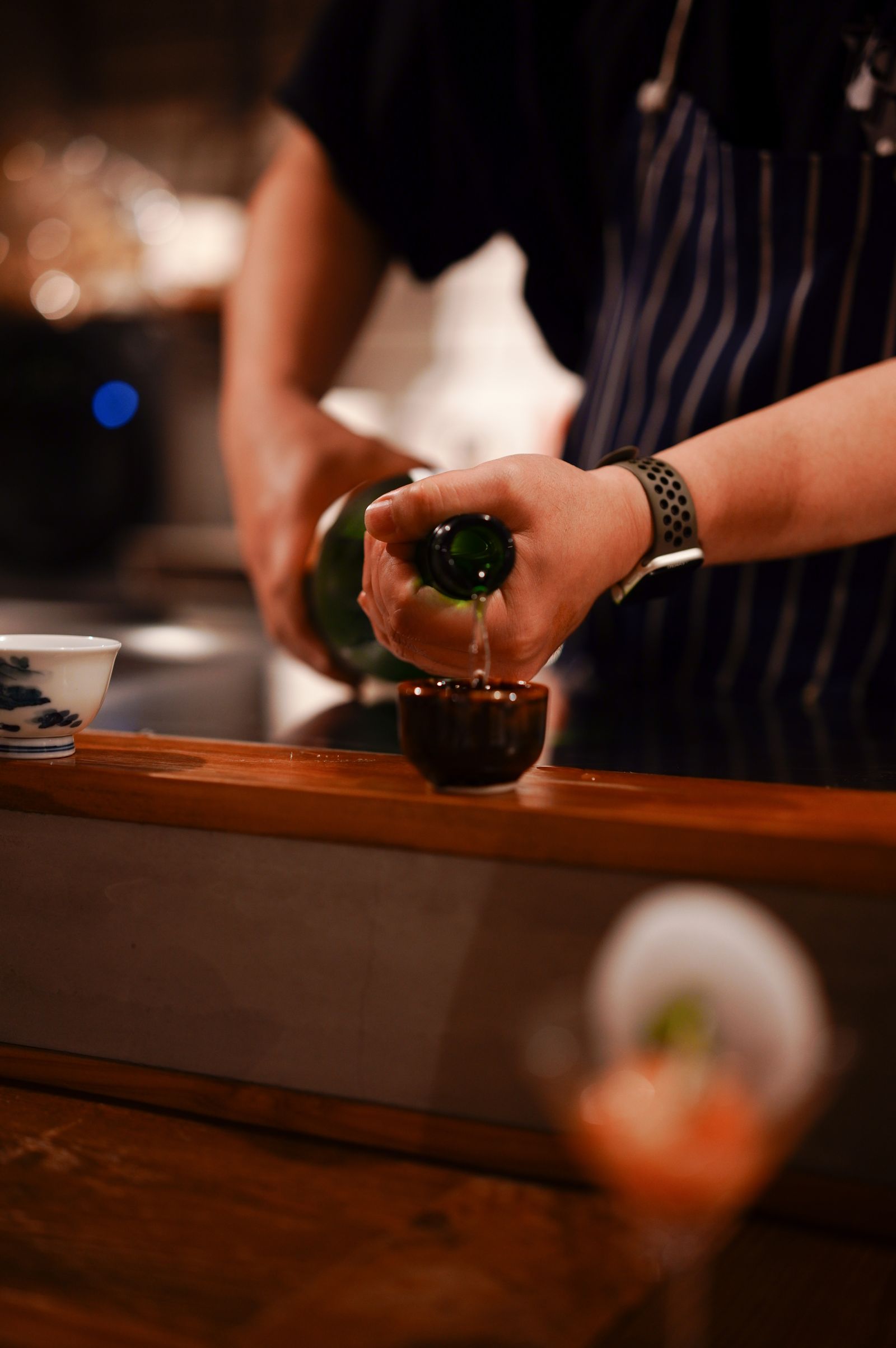
An essential stop on my fermentation pilgrimage was the quiet izakaya at Hakko House Nagaoka, a two-room accommodation. Chef and owner Sho Suzuki served me an elaborate multicourse meal featuring 11 fermented dishes, each paired with a special sake. ‘We have a local expression here,’ chef Suzuki said between handing me plates of sweet potato tempura with sake-lees cream and a lotus-root dumpling with flying fish dashi: ‘The snow of winter creates the sweetness of summer.’ It’s a reminder that, in snow country, patience is mandatory and the seasons are not separate events but a continuous, symbiotic loop.
The region’s unique combination of climate, geography, and cultural heritage has given birth to a rich culinary tradition that is both ancient and innovative. As I concluded my fermentation pilgrimage, I was struck by the depth and complexity of Niigata’s fermented foods and the passion of the people who create them.
The Hakko Trip, a one-mile-long fermentation trail, is a testament to the region’s dedication to preserving and promoting its ancient culinary traditions. The trail features six stops, each offering a unique glimpse into the world of fermentation. From the café and bakery at Willow House to the historic wagashi sweets shop at Eguchi Dango, the trail is a culinary journey that showcases the diversity and richness of Niigata’s fermented foods.
The trail also highlights the importance of preserving traditional techniques and ingredients. At the Settaya 6th Avenue Fermentation Museum Komegura, visitors can learn about the history and science behind fermentation, as well as sample a range of fermented products. The gift shop at the museum offers a selection of miso, amazake, and other fermented goods, providing visitors with a taste of the region’s unique culinary traditions.
The fermentation trail is a must-visit destination for anyone interested in exploring the rich culinary heritage of Niigata prefecture. Whether you’re a foodie, a history buff, or simply looking for a unique cultural experience, the Hakko Trip is an unforgettable journey through the world of fermentation.
Online Assistant


