Paseo de la Reforma – Mexico City’s Iconic Boulevard


Introduction
Paseo de la Reforma is one of the most important and famous avenues in Mexico City, known for its grand monuments, modern skyscrapers, cultural landmarks, and vibrant urban energy. Stretching across the heart of the capital, this historic boulevard connects key districts while showcasing the city’s evolution from imperial Mexico to a global metropolis.
Whether walking, cycling, or simply sightseeing, Paseo de la Reforma offers a dynamic blend of history, architecture, and city life.
Tracing the Origins of a Royal Avenue


From Imperial Vision to Modern Landmark
Originally designed during the 19th century, Reforma was inspired by European boulevards.
Key highlights:
- Commissioned during Emperor Maximilian I era
- Originally called “Paseo de la Emperatriz”
- Designed to connect the city center with Chapultepec Castle
- Modeled after Parisian avenues
- Became a symbol of modernization
Its history reflects Mexico’s political and cultural transformation.
Standing Beneath the Angel of Independence


Mexico’s Most Iconic Monument
Angel of Independence is the crown jewel of Reforma.
Key highlights:
- Built to commemorate independence heroes
- Golden-winged victory statue
- Mausoleum of national figures
- Popular meeting and celebration spot
- Illuminated beautifully at night
It is one of Mexico’s most photographed landmarks.
Experiencing the Urban Skyline


A Modern Financial Powerhouse
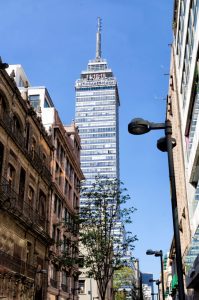
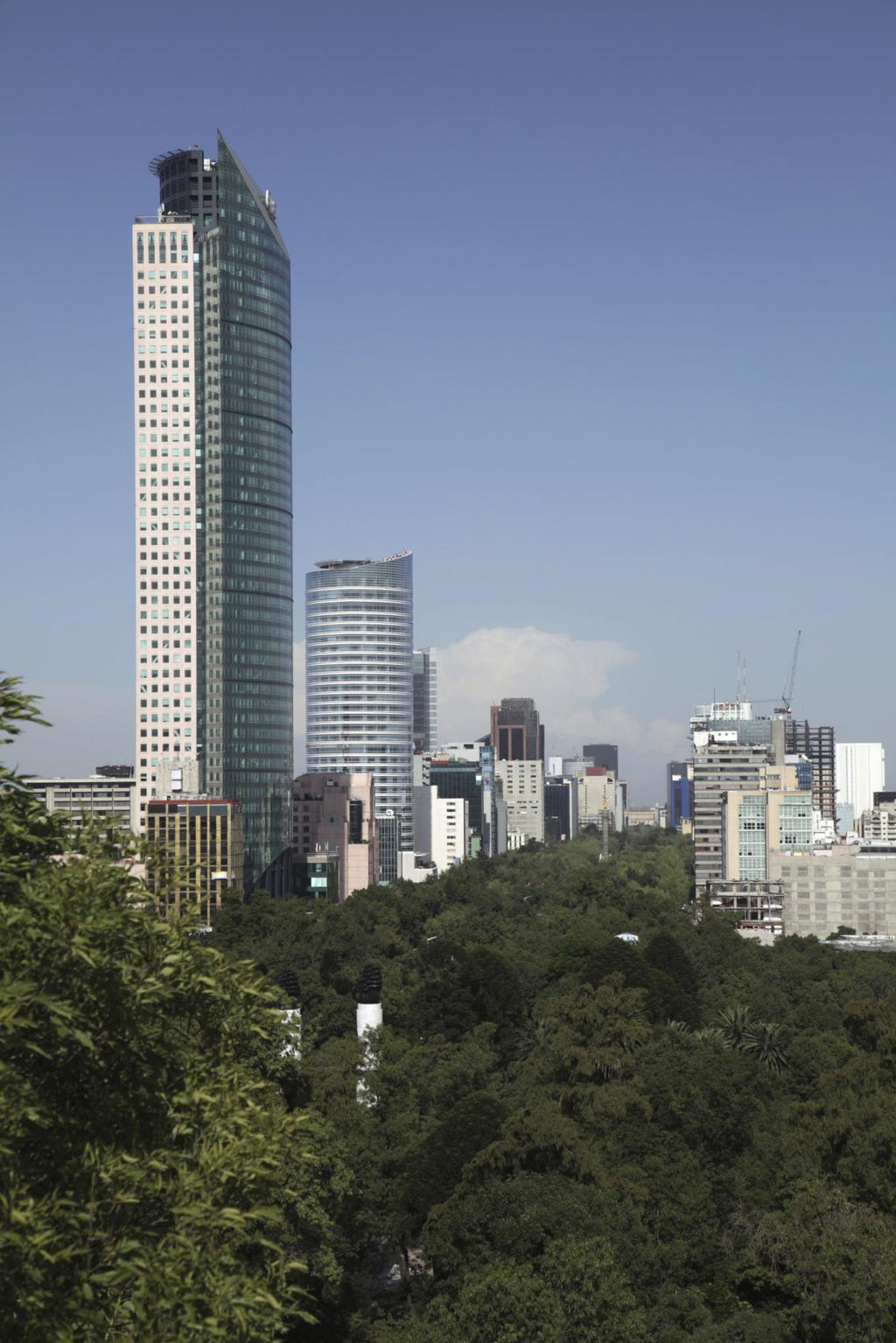
Reforma is lined with some of the tallest buildings in Mexico.
Key highlights:
- Modern glass skyscrapers
- Financial district headquarters
- Luxury hotels and offices
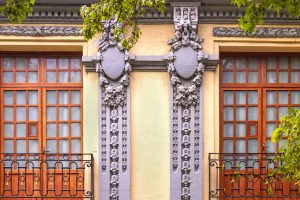
- Mixed architectural styles
- Constant urban development
The avenue reflects Mexico City’s global economic status.
Exploring Cultural Landmarks Along the Route


Where History Meets Culture
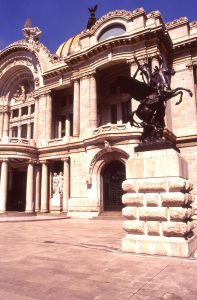
Reforma connects several major cultural institutions.
Key highlights:
- Chapultepec Castle visible from the avenue
- National Museum of Anthropology nearby
- Important museums and parks
- Historic government buildings
- Cultural exhibition spaces
It forms a cultural corridor through the city.
Enjoying the Ciclovía and Public Life


A Street for People, Not Just Cars
On Sundays, Reforma transforms into a recreational space.
Key highlights:
- Bike-friendly lanes (Ciclovía)
- Jogging and walking routes
- Family-friendly atmosphere
- Street performers and activities
- Healthy urban lifestyle
It becomes one of the city’s most lively public spaces.
Discovering Monuments and Sculptures


A Boulevard of National Memory
Reforma is filled with symbolic statues and memorials.
Key highlights:
- Diana the Huntress Fountain
- Revolutionary heroes monuments
- Historic commemorative statues
- Artistic urban installations
- National identity symbols
Each monument tells part of Mexico’s story.
Experiencing Day and Night Energy


A Street That Never Sleeps
Reforma changes dramatically from day to night.
Key highlights:
- Busy daytime business activity
- Golden-hour photography views
- Illuminated skyscrapers at night
- Lively evening traffic
- Vibrant urban energy
It showcases Mexico City’s nonstop rhythm.
Food, Cafés, and Nearby Experiences


Taste the City Around You
The boulevard is surrounded by diverse food options.
Key highlights:
- Local Mexican cuisine
- International restaurants
- Street food vendors nearby
- Modern cafés and bakeries
- Rooftop dining experiences
Perfect for a break during sightseeing.
Travel Tips for Visiting Reforma


Make the Most of Your Walk
A few simple tips improve the experience.
Key highlights:
- Visit early morning or sunset
- Use Metro or ride apps for access
- Stay aware of traffic crossings
- Explore on Sundays for Ciclovía
- Bring camera for monuments
Planning helps you enjoy the boulevard safely and fully.
Why Paseo de la Reforma Is a Must-Visit

The Heartbeat of Mexico City
Paseo de la Reforma is more than just a road—it is a living symbol of Mexico’s history, power, and modern identity. From the majestic Angel of Independence to its towering skyscrapers and cultural landmarks, the avenue represents the evolution of a capital that never stops growing.
For travelers, it is one of the most essential experiences in Mexico City, blending history, architecture, and urban life in one unforgettable journey.