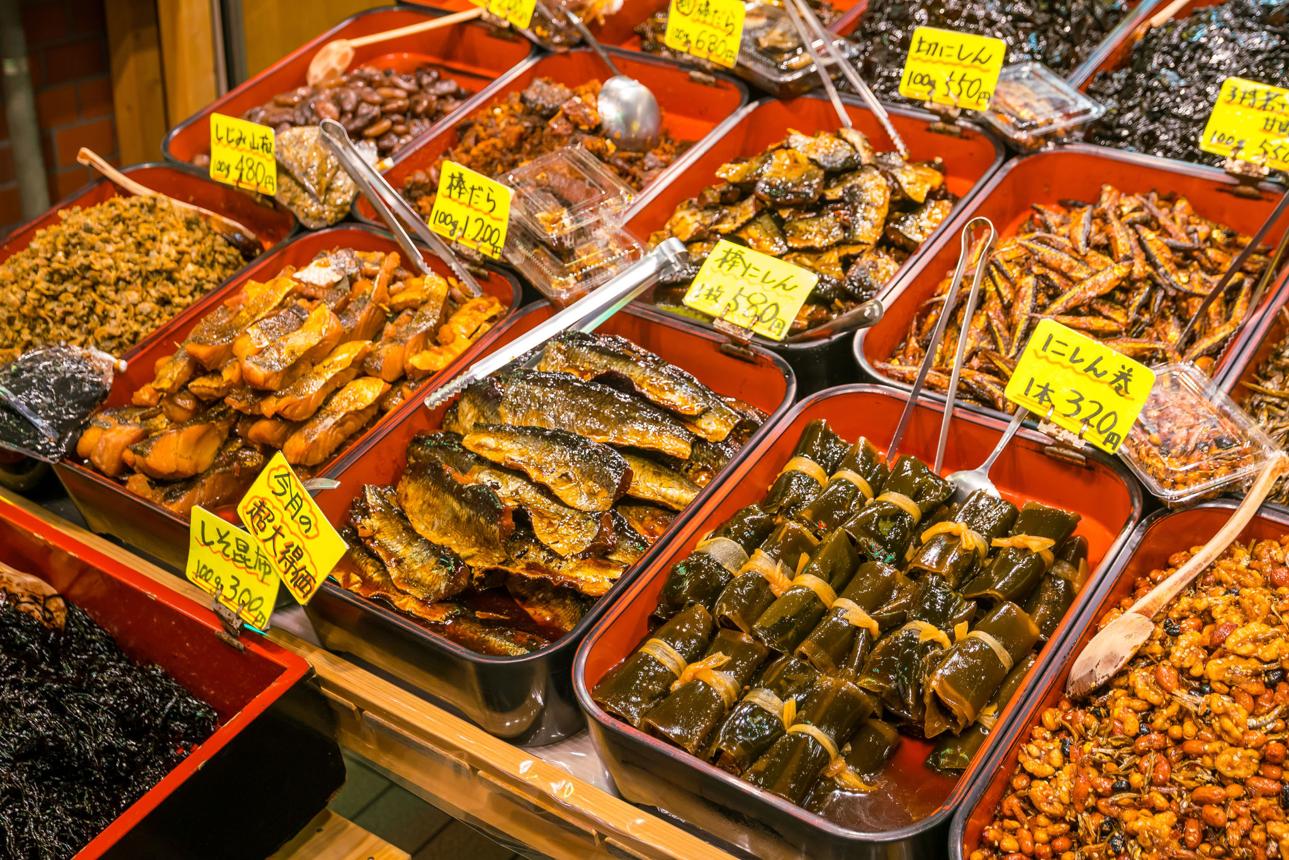
Kyoto Specialties – Traditional Japanese Foods You Should Not Miss
Known as the cultural heart of Japan, Kyoto is not only famous for temples and historic streets but also for its refined and traditional cuisine. Kyoto’s food culture reflects centuries of Japanese history, Buddhist traditions, and seasonal ingredients.
From elegant kaiseki meals to delicious matcha desserts, Kyoto offers travelers a unique culinary experience that feels very different from other Japanese cities.
If you are planning a trip to Kyoto, here are the most famous Kyoto specialties you absolutely must try.
Why Kyoto Cuisine Is So Special
Kyoto cuisine, also known as “Kyo Ryori,” focuses on:
- Seasonal ingredients
- Elegant presentation
- Delicate flavors
- Traditional cooking methods
- Fresh local products
Because Kyoto was Japan’s imperial capital for over 1,000 years, the city developed a sophisticated food culture deeply connected to Japanese traditions.
Kaiseki – Kyoto’s Most Elegant Traditional Meal


One of Kyoto’s most famous culinary experiences is Kaiseki, a traditional multi-course Japanese meal.
Kaiseki dining emphasizes:
- Seasonal ingredients
- Artistic presentation
- Balanced flavors
- Small beautifully arranged dishes
Meals often include:
- Fresh sashimi
- Grilled fish
- Seasonal vegetables
- Soup dishes
- Delicate desserts
Kaiseki is considered the highest form of Japanese cuisine and is deeply connected to Kyoto culture.
Matcha Desserts – Kyoto’s Green Tea Paradise


Kyoto is famous worldwide for premium matcha green tea, especially from the nearby Uji region.
Popular matcha treats include:
- Matcha ice cream
- Matcha parfait
- Matcha cake
- Matcha latte
- Traditional wagashi sweets
Many traditional tea houses in Kyoto serve authentic matcha prepared using centuries-old tea ceremony traditions.
Yudofu – Kyoto’s Famous Tofu Hot Pot


Because of Kyoto’s Buddhist temple culture, tofu became an important local ingredient.
Yudofu is a simple yet delicious hot pot dish made with soft tofu simmered in light broth and served with dipping sauces.
This healthy and comforting meal is especially popular near temple districts such as:
- Nanzen-ji
- Arashiyama
Nishin Soba – Kyoto’s Traditional Noodle Dish
One of Kyoto’s classic comfort foods is Nishin Soba, a bowl of soba noodles topped with sweet simmered herring fish.
The combination of savory broth and sweet fish creates a unique flavor loved by locals and visitors alike.
This dish became popular because Kyoto is far from the sea, so preserved fish was historically an important food source.
Kyoto Wagashi – Traditional Japanese Sweets


Kyoto is famous for Wagashi, traditional Japanese sweets often served during tea ceremonies.
Popular wagashi include:
- Mochi
- Nerikiri
- Yokan jelly
- Sweet rice cakes
- Seasonal flower-shaped desserts
These sweets are known for their artistic beauty and delicate flavors.
Obanzai – Kyoto Home-Style Cuisine
Obanzai refers to traditional Kyoto home cooking made using seasonal vegetables and simple ingredients.
Typical Obanzai dishes include:
- Simmered vegetables
- Pickled dishes
- Grilled fish
- Tofu recipes
- Rice and soup combinations
This cuisine reflects Kyoto’s healthy and balanced food culture.
Kyoto Street Food You Should Try


Kyoto also offers plenty of delicious street food, especially around:
- Nishiki Market
- Gion
Popular snacks include:
- Takoyaki
- Taiyaki
- Matcha soft serve
- Yakitori skewers
- Rice crackers
- Tamagoyaki omelet
Best Places to Enjoy Kyoto Cuisine
Gion District
Gion offers traditional restaurants and tea houses.
Nishiki Market
Nishiki Market is perfect for street food and local snacks.
Arashiyama
Arashiyama features scenic cafes and tofu restaurants.
Uji
Uji is famous for premium matcha tea.
Why Kyoto Food Is Worth Exploring
Kyoto cuisine represents the elegance and cultural depth of traditional Japan.
Unlike fast-paced modern food scenes, Kyoto focuses on:
- Simplicity
- Fresh ingredients
- Seasonal beauty
- Artistic presentation
- Cultural traditions
Every dish tells part of Kyoto’s long history and refined lifestyle.
For travelers visiting Japan, experiencing Kyoto’s food culture is just as important as exploring its temples and shrines.