Colosseum Rome – The Legendary Arena of Ancient Gladiators


Colosseum Rome – Step Into the Legendary Heart of Ancient Rome
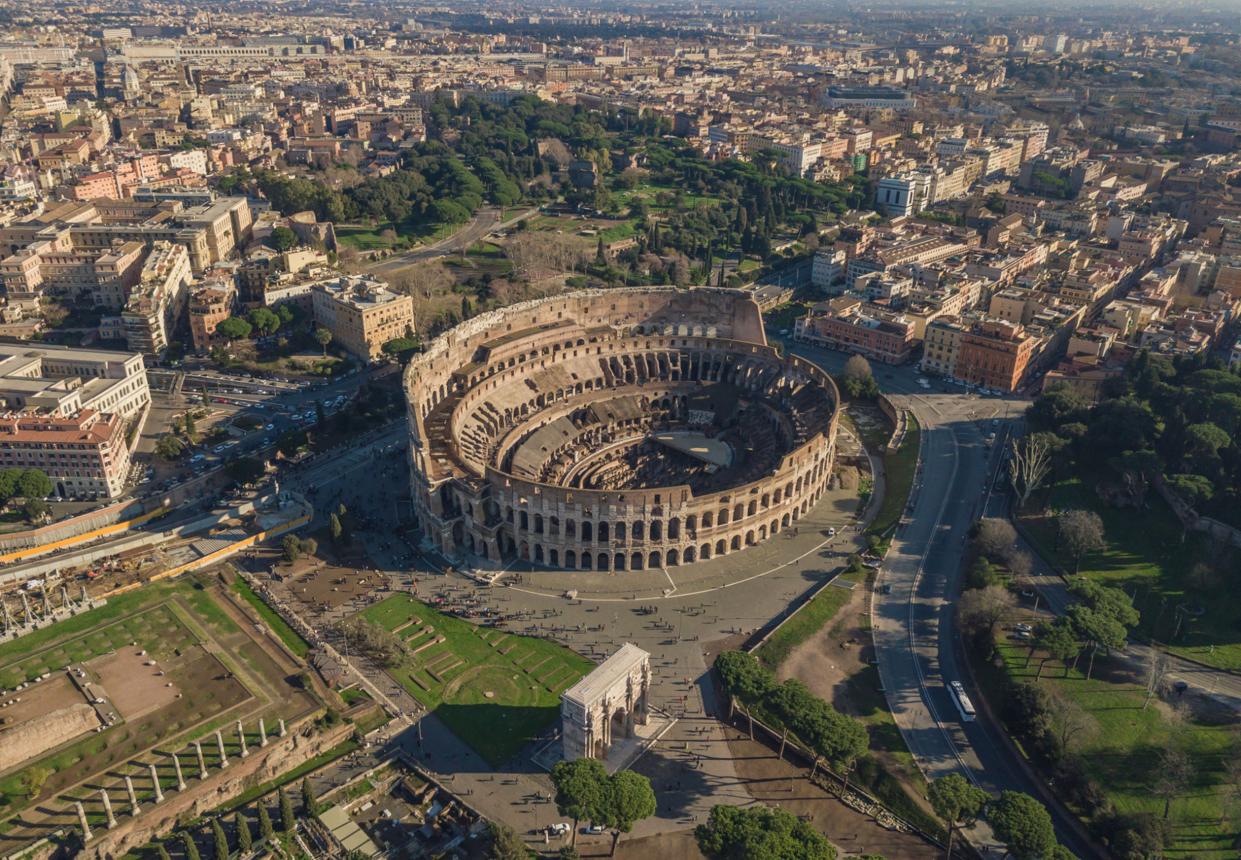
The Colosseum is one of the most iconic landmarks in the world and a must-visit destination for anyone traveling to Rome. Known as the largest ancient amphitheater ever built, the Colosseum stands as a breathtaking reminder of the power, engineering, and culture of the Roman Empire.
Today, millions of travelers visit this legendary site to experience the atmosphere of ancient gladiator battles and admire one of humanity’s greatest architectural achievements.
The Fascinating History of the Colosseum


Construction of the Colosseum began in AD 72 under Emperor Vespasian and was completed in AD 80 by his son Titus. Originally called the Flavian Amphitheatre, it could hold between 50,000 and 80,000 spectators.
The arena hosted:
- Gladiator battles
- Animal hunts
- Public executions
- Mythological reenactments
- Mock naval battles
Despite earthquakes, wars, and centuries of damage, much of the structure still survives today.
Why the Colosseum Is So Famous
Incredible Ancient Architecture


The Colosseum showcases engineering techniques far ahead of its time. Massive stone arches, underground tunnels, and advanced crowd-control systems demonstrated the extraordinary skill of Roman architects.
Gladiator Legacy


The arena became legendary for its gladiator combat. Thousands of spectators gathered to watch dramatic battles between warriors and wild animals.
UNESCO World Heritage Site


Today, the Colosseum is recognized as one of the New Seven Wonders of the World and remains a symbol of ancient Roman civilization.
Best Things to See Inside the Colosseum
The Arena Floor


Stand where gladiators once fought and imagine the thunderous cheers of ancient Roman crowds.
Underground Chambers


The underground passageways reveal where animals and fighters waited before entering the arena.
Upper Levels


The upper sections provide incredible panoramic views of Rome and surrounding archaeological sites.
Best Time to Visit the Colosseum


The best seasons to visit are:
- Spring (April–June)
- Autumn (September–October)
These months offer pleasant weather and fewer crowds compared to the busy summer season.
For the best experience:
- Visit early in the morning
- Book skip-the-line tickets
- Join a guided historical tour
Nearby Attractions in Rome


While exploring the Colosseum, you should also visit:
- Roman Forum
- Palatine Hill
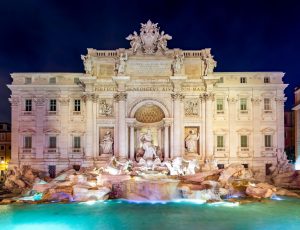
- Trevi Fountain
- Pantheon
- Vatican Museums
Local Food to Try in Rome


A visit to Rome is incomplete without tasting authentic Italian cuisine.
Must-try dishes include:
- Carbonara
- Cacio e Pepe
- Roman-style Pizza
- Gelato
- Tiramisu
Italian coffee culture is also an unforgettable part of the Roman experience.
Final Thoughts


The Colosseum is more than an ancient monument — it is a timeless symbol of Roman history, culture, and engineering brilliance.
Whether you love history, photography, or architecture, the Colosseum delivers an unforgettable travel experience that belongs on every Italy itinerary.