Chili River – Arequipa’s Stunning Lifeline Through the White City


Introduction
Chili River is the lifeline of Arequipa, one of Peru’s most beautiful colonial cities known as the “White City.” Flowing through the volcanic landscape of southern Peru, the river shapes the city’s geography, agriculture, and daily life while offering stunning natural scenery surrounded by mountains and canyons.
For travelers, the Chili River is not just a waterway—it is a scenic backbone that connects history, nature, and urban life in Arequipa.
The River That Shaped Arequipa


Foundation of the White City
The Chili River has played a crucial role in shaping Arequipa’s development.
Key highlights:
- Supplies water to the entire region
- Supports agriculture in the valley
- Flows from Andean glaciers and highlands
- Passes through volcanic terrain
- Enables urban expansion of Arequipa
Without it, Arequipa would not exist as we know it today.
Scenic Views Along the Riverbanks


A Blend of Nature and City Life
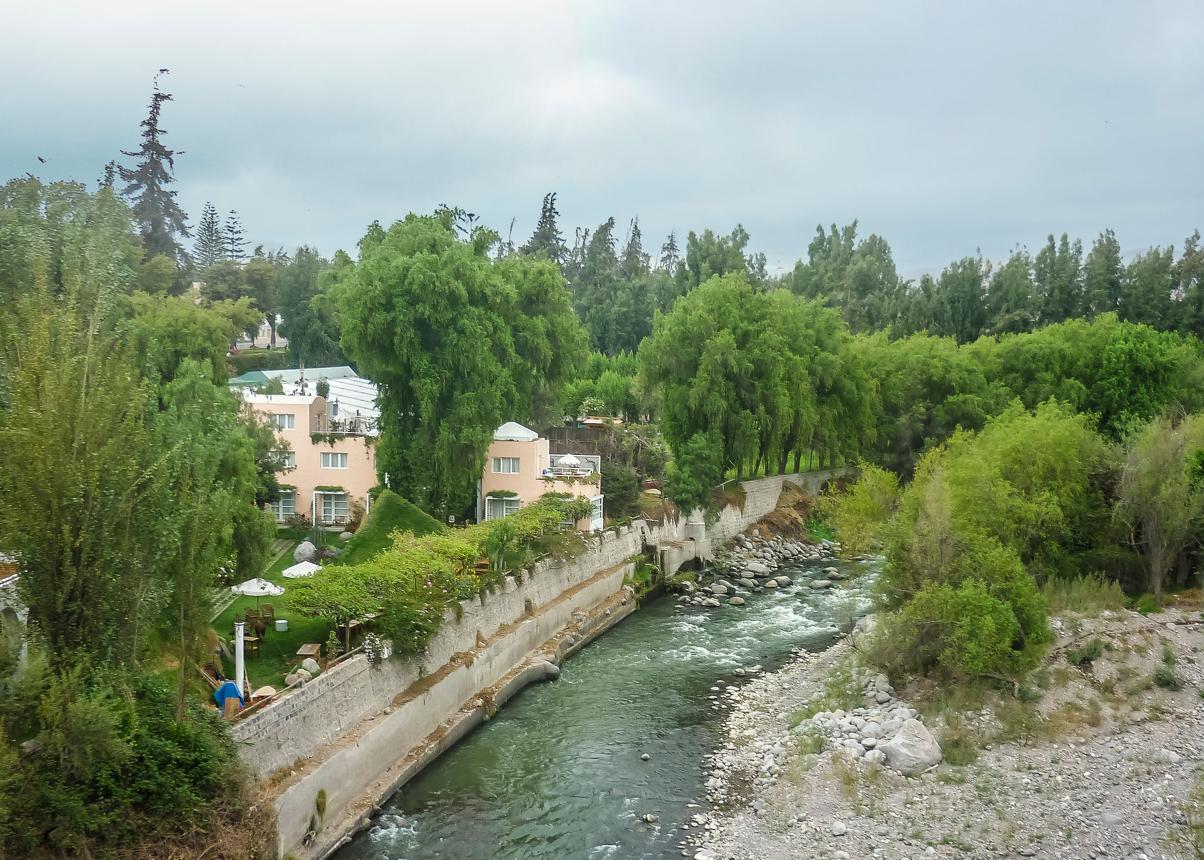
Walking along the river reveals peaceful urban scenery.
Key highlights:
- Riverside walking paths
- Green recreational areas
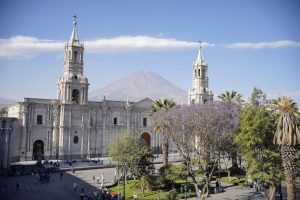
- Views of colonial architecture
- Bridges connecting districts
- Calm water reflections
It’s a relaxing escape inside the city.
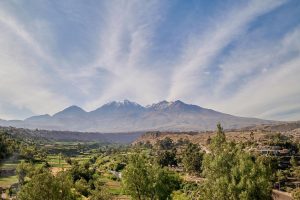
Chili River and Volcano Misti


A Dramatic Natural Backdrop
One of the most iconic views in Arequipa combines river and volcano.
Key highlights:
- Volcán Misti
- Snow-capped volcanic peak
- River cutting through valley
- Stunning sunrise and sunset views
- Perfect photography composition
This contrast defines Arequipa’s unique beauty.
Irrigation and Agricultural Life


Sustaining the Valley of Arequipa
The river is essential for farming in the region.
Key highlights:
- Irrigation canals fed by river
- Fertile valley agriculture
- Crop production in dry climate
- Traditional farming methods
- Lifeline for rural communities
It transforms desert land into productive fields.
Bridges Over the Chili River


Connecting the City Across Water
Bridges are key landmarks in Arequipa.
Key highlights:
- Historic and modern bridge designs
- Puente Grau
- Easy access between districts
- Scenic viewpoints from bridges
- Night lighting reflections
They add architectural charm to the river.
Sunset Reflections on the Water


Golden Hour in the White City
Sunset transforms the river into a glowing landscape.
Key highlights:
- Warm golden reflections
- Silhouettes of volcano and city
- Calm evening atmosphere
- Ideal photography time
- Romantic riverside views
The river becomes magical at dusk.
Wildlife and Natural Ecosystem


A Quiet Natural Habitat
Despite being near a city, the river supports life.
Key highlights:
- Native bird species
- Riverbank vegetation
- Seasonal biodiversity
- Clean water zones in rural stretches
- Ecosystem connected to Andes
Nature thrives alongside urban development.
Exploring Arequipa’s Riverfront Culture


Daily Life Along the Water
The river is part of local identity.
Key highlights:
- Family gathering areas
- Public parks and recreation
- Jogging and cycling routes
- Cultural events nearby
- Strong community presence
It is a social and cultural space.
Best Time to Visit Chili River


When the River Looks Its Best
Timing improves your experience.
Key highlights:
- Best season: April–November (dry season)
- Clear skies and strong sunlight
- Ideal for photography
- Stable river flow conditions
- Cooler nights in high altitude
Dry season offers the clearest views.
Why Chili River Is Essential to Arequipa


The Heart of the White City
Chili River is more than a river—it is the foundation of Arequipa’s identity. From sustaining agriculture and shaping the landscape to offering breathtaking views of volcanoes and colonial architecture, it plays a vital role in both nature and city life.
For travelers exploring southern Peru, the Chili River offers a peaceful yet powerful experience of the Andes in harmony with urban culture.