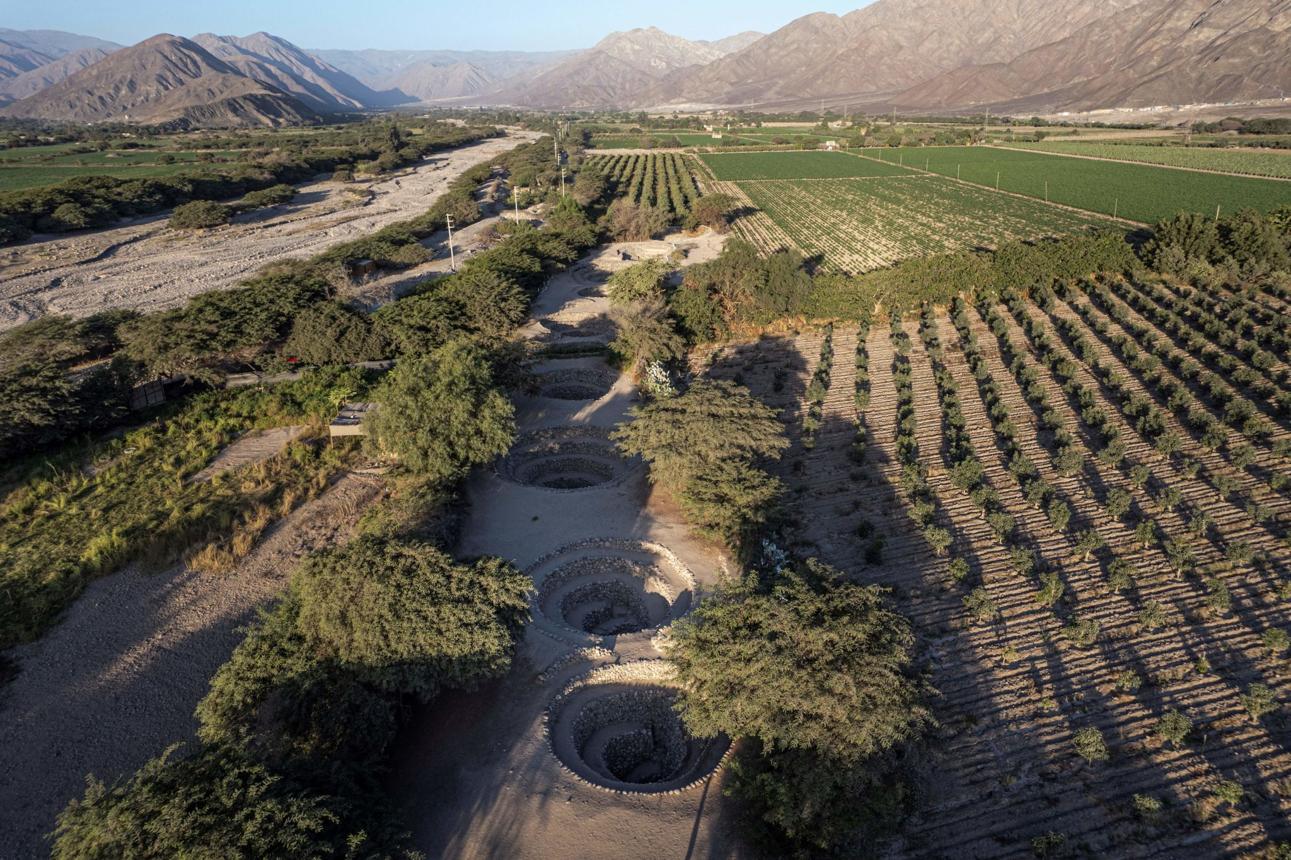
Cantalloc Aqueducts – Peru’s Ancient Engineering Wonder Hidden Beneath the Desert


Introduction
Cantalloc Aqueducts stands as one of Peru’s most remarkable archaeological achievements, showcasing the ingenuity of the ancient Nazca civilization. Located near the city of Nazca, these underground hydraulic systems have supplied water to one of the driest regions on Earth for centuries.
Combining engineering brilliance with historical mystery, the Cantalloc Aqueducts offer visitors an extraordinary glimpse into how ancient societies thrived in harsh desert environments.
Unveiling the Secrets of the Nazca Civilization


Masters of Desert Survival
The aqueducts reveal the remarkable adaptability of the Nazca people.
Key highlights:
- Constructed by the Nazca civilization
- Dates back approximately 1,500 years
- Developed in an arid environment
- Supported agriculture and settlements
- Demonstrates advanced planning
Their achievements continue to amaze archaeologists today.
Exploring the Ingenious Underground System


Engineering Far Ahead of Its Time
The aqueducts were carefully designed to maximize water access.
Key highlights:
- Underground water channels
- Stone-lined tunnels
- Gravity-fed irrigation system
- Durable construction methods
- Continuous water distribution
Many sections remain functional even today.
Admiring the Iconic Spiral Openings


The Most Photographed Feature
The spiral openings, known as puquios, define the site.
Key highlights:
- Distinctive spiral designs
- Allowed access for maintenance
- Improved airflow circulation
- Unique architectural identity
- Exceptional visual appeal
They have become symbols of Nazca ingenuity.
Understanding Ancient Water Management


Sustaining Life in the Desert
Water was essential to survival.
Key highlights:
- Irrigated agricultural fields
- Supported local communities
- Maximized limited resources
- Reduced drought vulnerability
- Enabled long-term settlement
The system transformed the desert landscape.
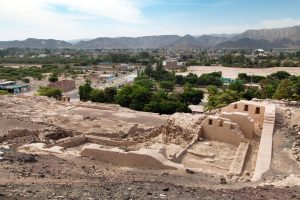
Walking Through the Desert Landscape


Beauty Beyond the Aqueducts
The surrounding environment enhances the experience.
Key highlights:
- Expansive desert vistas
- Contrasting green fields
- Peaceful atmosphere
- Mountain backdrops
- Authentic Peruvian scenery
The setting highlights the importance of water.
Connecting With Nazca’s Rich Heritage


More Than an Engineering Site
Cantalloc represents an important cultural legacy.
Key highlights:
- Reflection of Nazca innovation
- Historical educational value
- Cultural preservation efforts
- Archaeological significance
- National heritage importance
It deepens appreciation for Peru’s ancient civilizations.
Capturing Extraordinary Photographs


A Unique Subject for Travelers
Photography enthusiasts will find endless inspiration.
Key highlights:
- Geometric spiral patterns
- Aerial-style perspectives
- Desert contrasts
- Historic textures
- Natural lighting opportunities
Few archaeological sites look quite like this.
Discovering Nearby Nazca Attractions


Expanding Your Nazca Adventure
The aqueducts pair perfectly with other experiences.
Key highlights:
- Visit Nazca Lines
- Explore regional museums
- Learn about Maria Reiche’s work
- Discover local handicrafts
- Experience Nazca’s cultural heritage
The region offers much more than its famous geoglyphs.
Essential Advice Before You Visit


Travel Smart in the Desert
Preparation improves your visit.
Key highlights:
- Bring sun protection
- Carry sufficient water
- Wear comfortable footwear
- Visit during cooler hours
- Consider local guides
Simple planning makes exploration more enjoyable.
Why Cantalloc Aqueducts Remain Peru’s Hidden Marvel


An Extraordinary Testament to Human Ingenuity
Cantalloc Aqueducts is more than an archaeological site—it is a powerful reminder of humanity’s ability to innovate and adapt. Through ingenious engineering and sustainable resource management, the Nazca civilization transformed one of the world’s harshest environments into a thriving community.
For travelers exploring Peru beyond the usual tourist trail, Cantalloc Aqueducts delivers history, mystery, and inspiration in equal measure.