Italian Cuisine – A Journey Through the Flavors of Italy


Introduction
The cuisine of Italy is widely regarded as one of the most beloved and influential food cultures in the world. Famous for its fresh ingredients, regional diversity, rich history, and comforting flavors, Italian cuisine represents far more than just pizza and pasta. It is a celebration of tradition, family, simplicity, and passion for food.
From the romantic canals of Venice to the rolling hills of Tuscany and the vibrant streets of Naples, every region in Italy offers unique culinary traditions shaped by geography, climate, and centuries of cultural influence.
Italian food is known for transforming simple ingredients into unforgettable dishes. Olive oil, tomatoes, basil, cheese, seafood, wine, and handmade pasta come together to create flavors that have captured the hearts of people across the globe.
Whether dining in a luxury restaurant in Rome or enjoying homemade pasta in a small countryside village, Italian cuisine delivers one of the greatest culinary experiences in the world.
Pizza – Italy’s Most Famous Culinary Icon


No discussion about Italian food is complete without mentioning pizza.
The birthplace of modern pizza is Naples, where the legendary Neapolitan pizza was created. Traditional Neapolitan pizza features:
- Thin soft crust
- Wood-fired cooking
- Fresh tomato sauce
- Mozzarella cheese
- Basil leaves
- Olive oil
One of the most famous versions is Pizza Margherita, inspired by the colors of the Italian flag:
- Red tomatoes
- White mozzarella
- Green basil
Authentic Italian pizza focuses on high-quality ingredients and balanced flavors rather than excessive toppings.
Today, pizza has become one of the world’s most recognizable foods, but experiencing it in Italy remains completely unique.
Pasta – The Soul of Italian Cuisine


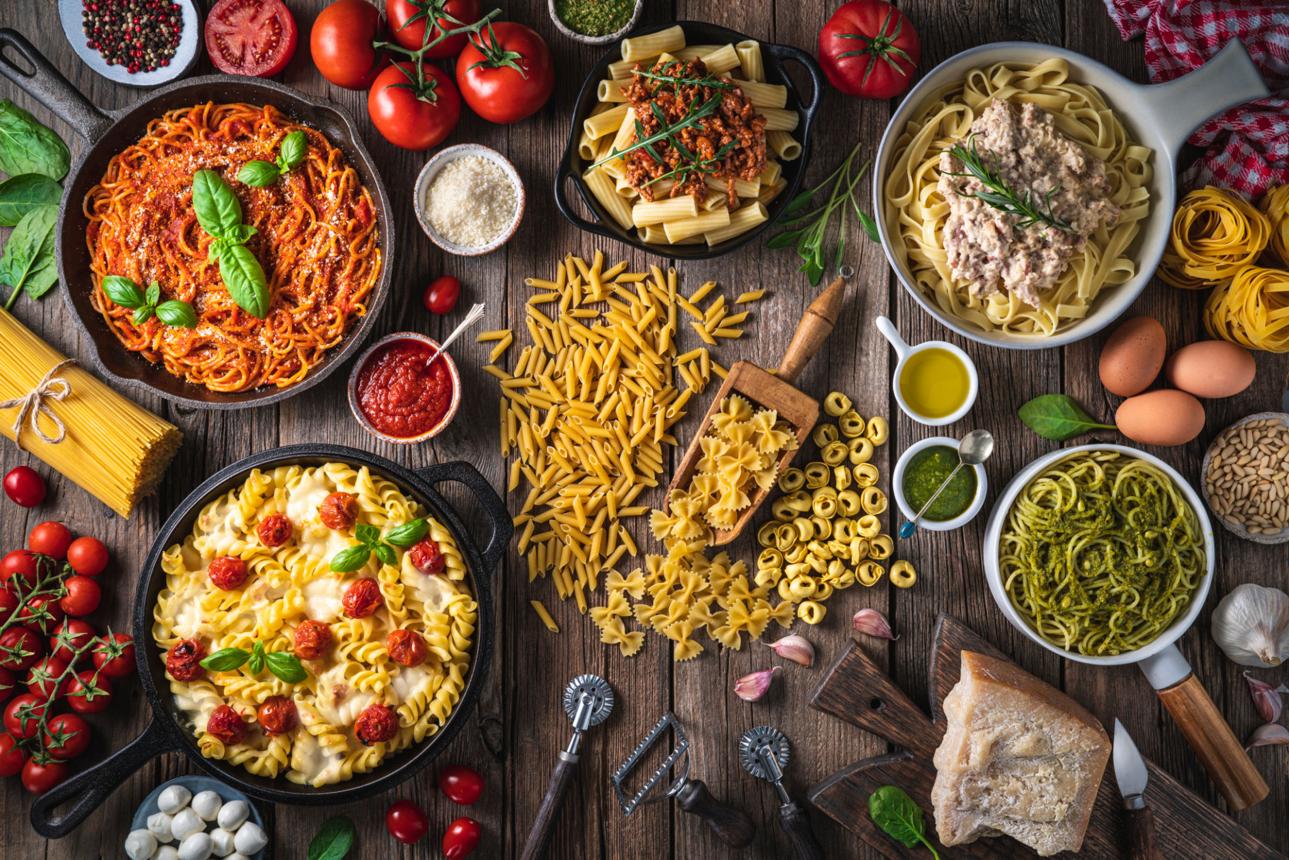
Pasta is the heart of Italian culinary tradition and exists in hundreds of shapes and regional variations throughout Italy.
Popular pasta dishes include:
- Spaghetti Carbonara
- Tagliatelle al Ragù
- Lasagna
- Pesto Pasta
- Seafood Linguine
- Ravioli
In Rome, Carbonara is one of the city’s most iconic dishes, traditionally made with:
- Eggs
- Pecorino cheese
- Black pepper
- Guanciale
Meanwhile, northern Italy is known for creamy sauces and fresh egg pasta, while southern regions often feature tomato-based seafood dishes.
Fresh handmade pasta remains one of the greatest highlights of traveling through Italy.
Risotto – Northern Italy’s Creamy Rice Dish


In northern Italy, risotto is one of the most important traditional dishes.
Made using Arborio rice slowly cooked with broth, risotto develops a rich and creamy texture without using heavy cream.
One of the most famous varieties is Risotto alla Milanese from Milan, flavored with saffron for its beautiful golden color.
Other popular risotto variations include:
- Seafood risotto
- Mushroom risotto
- Truffle risotto
- Parmesan risotto
The dish perfectly represents the elegance and simplicity of northern Italian cooking.
Italian Seafood and Mediterranean Flavors


With thousands of kilometers of coastline, seafood plays a major role in Italian cuisine.
Coastal regions are famous for dishes featuring:
- Fresh fish
- Mussels
- Clams
- Octopus
- Shrimp
- Lobster
In places like Venice and Sicily, seafood pasta and risotto are especially popular.
Mediterranean ingredients such as:
- Olive oil
- Garlic
- Tomatoes
- Herbs
- Lemon
create fresh and vibrant flavors that define Italian coastal cooking.
Dining beside the sea while enjoying fresh seafood is one of Italy’s greatest culinary experiences.
Cheese and Italian Culinary Tradition


Italy produces some of the world’s most famous cheeses.
Popular varieties include:
- Parmigiano Reggiano
- Mozzarella
- Burrata
- Gorgonzola
- Pecorino Romano
- Ricotta
Each cheese reflects different regional traditions and ingredients.
Parmigiano Reggiano is often called the “King of Cheese” and is used in countless Italian dishes including pasta, risotto, and soups.
Fresh mozzarella from southern Italy remains one of the country’s most iconic ingredients.
Italian Desserts – Sweet Traditions of Italy


Italian desserts are loved around the world for their rich flavors and elegant simplicity.
Famous Italian sweets include:
- Tiramisu
- Gelato
- Cannoli
- Panna Cotta
- Sicilian pastries
Gelato, Italy’s famous frozen dessert, is smoother and denser than traditional ice cream because it contains less air and fat.
Tiramisu, made with coffee, mascarpone cheese, and cocoa powder, is one of Italy’s most iconic desserts and perfectly represents Italian comfort food culture.
Italian Coffee Culture


Coffee culture is deeply rooted in everyday life across Italy.
Espresso is the foundation of Italian coffee tradition, and locals often drink it quickly while standing at café counters.
Popular coffee drinks include:
- Espresso
- Cappuccino
- Macchiato
- Latte
Italian cafés are not only places to drink coffee but also social spaces where people gather throughout the day.
Experiencing authentic Italian coffee culture is an essential part of traveling in Italy.
Fine Dining and Regional Italian Cuisine


One of the most fascinating aspects of Italian cuisine is its regional diversity.
Every region has unique specialties:
- Tuscany → grilled meats and wine
- Naples → pizza
- Rome → pasta dishes
- Venice → seafood
- Milan → risotto
- Sicily → desserts and Mediterranean seafood
Modern Italian fine dining combines traditional recipes with innovative culinary techniques while preserving authentic flavors and ingredients.
Italy is also home to many world-famous Michelin-starred restaurants.
Why Italian Cuisine Is Loved Around the World
Italian cuisine has become a global symbol of comfort, passion, family, and quality ingredients. Its simplicity allows natural flavors to shine, while regional traditions create incredible diversity across the country.
From handmade pasta and wood-fired pizza to creamy risotto, fresh seafood, and legendary desserts, Italian food offers one of the richest culinary experiences on Earth.
For travelers visiting Italy, exploring local cuisine is not just about eating — it is about experiencing Italian culture, history, and lifestyle through every meal.