Hawa Mahal – The Iconic Palace of Winds That Defines Jaipur


Introduction
Hawa Mahal is one of India’s most recognizable landmarks and the architectural jewel of Jaipur’s famous Pink City. Known as the “Palace of Winds,” this extraordinary structure captivates visitors with its honeycomb façade, intricate windows, and rich royal history.
Built to allow royal women to observe city life while remaining unseen, Hawa Mahal remains a masterpiece of Rajput architecture and one of Rajasthan’s most photographed attractions.
Unveiling the Story Behind the Palace


A Royal Vision from the 18th Century
Hawa Mahal was designed with both beauty and purpose.
Key highlights:
- Constructed in 1799
- Commissioned by Maharaja Sawai Pratap Singh
- Designed by Lal Chand Ustad
- Inspired by Lord Krishna’s crown
- Built as part of the City Palace complex
Its unique concept reflected the customs of royal society.
Admiring the Famous Honeycomb Façade


An Architectural Wonder of Rajasthan
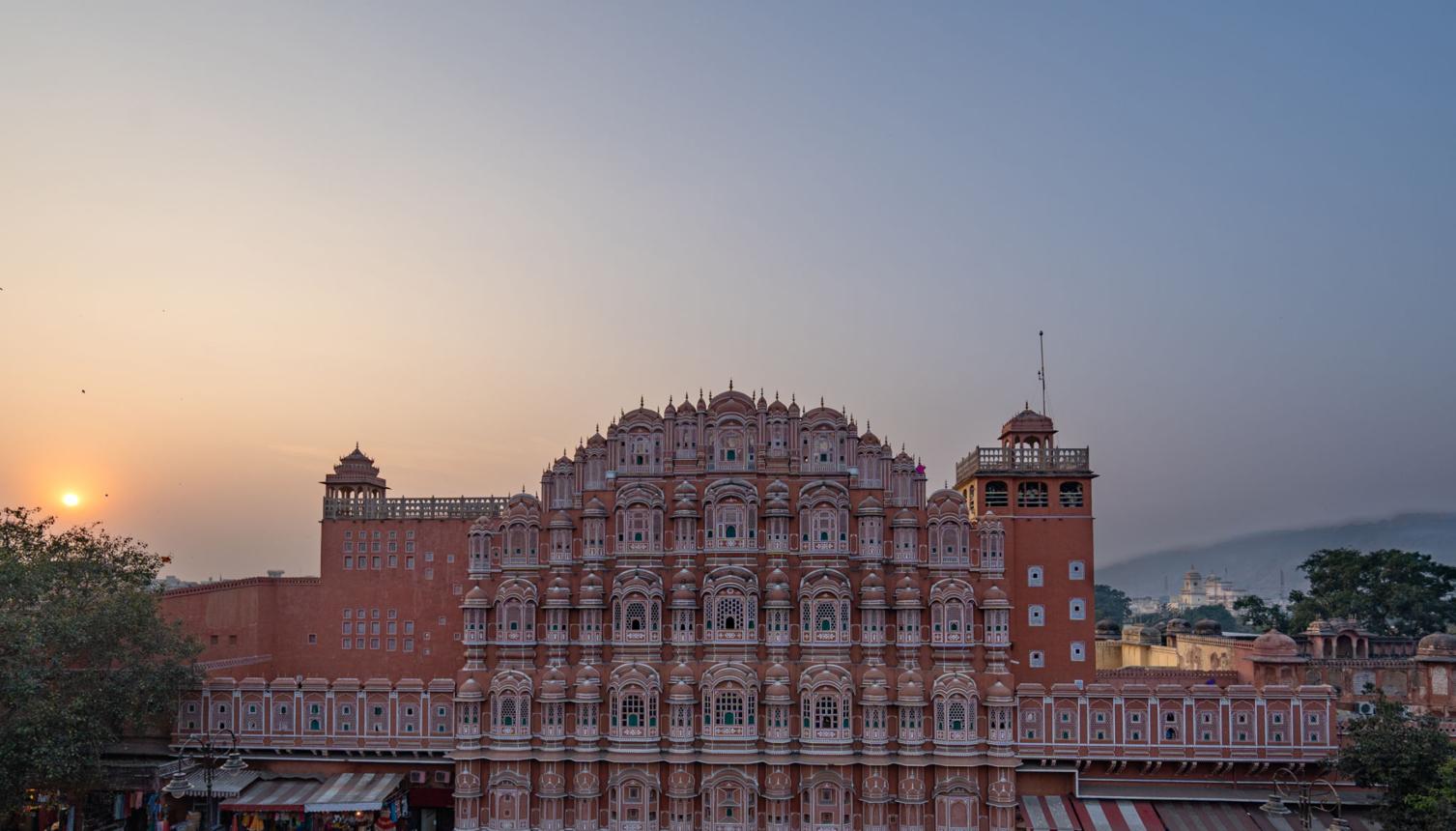
The façade is the palace’s most celebrated feature.
Key highlights:
- Over 950 intricately designed windows
- Delicate latticework patterns
- Pink and red sandstone construction
- Symmetrical design
- Distinctive honeycomb appearance
The exterior is instantly recognizable around the world.
Understanding the Palace of Winds


Why It Earned Its Famous Name
The palace was engineered to stay naturally cool.
Key highlights:
- Continuous airflow through windows
- Natural ventilation system
- Comfortable temperatures in hot weather
- Innovative 18th-century design
- Functional beauty
Its clever architecture was far ahead of its time.
Exploring the Elegant Interior Spaces


Beyond the Famous Exterior
The interior offers a quieter yet fascinating experience.
Key highlights:
- Decorative chambers
- Royal viewing areas
- Beautiful corridors
- Historic architectural details
- Elevated observation points
The palace reveals its charm gradually as you explore.
Enjoying Panoramic Views of Jaipur


Seeing the Pink City from Above
Upper levels provide impressive city views.
Key highlights:
- Overlooks bustling bazaars
- Views of Jaipur’s historic streets
- Panoramic cityscape photography
- Unique perspective of the Pink City
- Beautiful sunrise scenes
The view is one of the palace’s hidden treasures.
Witnessing the Magic of Sunrise


The Most Beautiful Time to Visit
Morning light enhances the palace’s colors.
Key highlights:
- Soft golden illumination
- Fewer crowds
- Pleasant temperatures
- Stunning photography conditions
- Vibrant pink sandstone glow
Many photographers consider sunrise the perfect moment.
Discovering the Vibrant Markets Nearby


Shopping in the Heart of Jaipur
The surrounding area is full of local culture.
Key highlights:
- Traditional jewelry markets
- Handcrafted textiles
- Rajasthan souvenirs
- Colorful street life
- Authentic local experiences
A visit to Hawa Mahal often includes exploring nearby bazaars.
Capturing Incredible Travel Photography


One of India’s Most Photogenic Landmarks
The palace is a favorite among photographers.
Key highlights:
- Iconic façade compositions
- Sunrise and sunset shots
- Architectural close-ups
- Street-level perspectives
- Rooftop viewing opportunities
Every angle highlights a different aspect of its beauty.
Practical Tips for First-Time Visitors


Making the Most of Your Experience
Planning ahead improves your visit.
Key highlights:
- Arrive early in the morning
- Wear comfortable footwear
- Carry water during warm seasons
- Visit nearby attractions afterward
- Bring a camera for panoramic views
A well-timed visit offers the best experience.
Why Hawa Mahal Remains Jaipur’s Most Beloved Landmark


The Enduring Symbol of the Pink City
Hawa Mahal stands as a timeless symbol of Jaipur’s royal heritage, artistic excellence, and architectural innovation. From its iconic façade and cooling design to its fascinating history and panoramic city views, the Palace of Winds continues to enchant travelers from around the globe.
For anyone visiting Rajasthan, Hawa Mahal is an unforgettable encounter with India’s royal past.