Al Ain Oasis UAE: A UNESCO World Heritage Site and Ancient Green Paradise


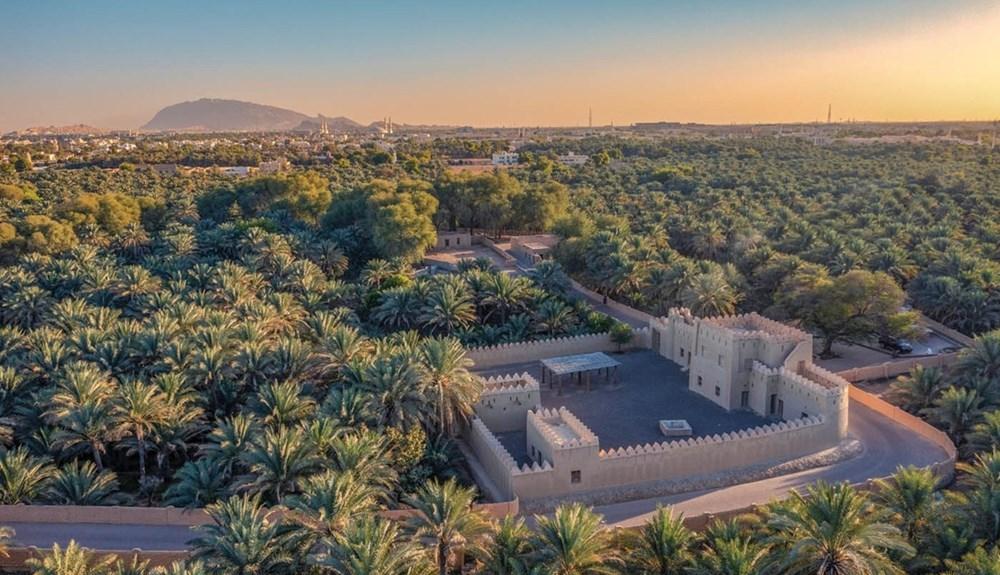
Al Ain Oasis is one of the most remarkable natural and cultural treasures in the United Arab Emirates. Located in the heart of Al Ain city, this vast palm grove is a living example of ancient agricultural innovation that has sustained life in the desert for thousands of years.
Recognized as part of a UNESCO World Heritage Site, Al Ain Oasis offers visitors a peaceful escape into nature, history, and traditional Emirati life.
Discover Al Ain Oasis: The Green Heart of the Desert
Al Ain Oasis is situated in Al Ain, covering more than 1,200 hectares and home to over 147,000 date palms. It is one of the oldest continuously cultivated oases in the region, with a history dating back more than 4,000 years.
This oasis is famous for its traditional falaj irrigation system, which channels groundwater to irrigate palm trees and crops efficiently in the harsh desert environment.
Why Al Ain Oasis is Famous
- UNESCO World Heritage Site
- Over 147,000 date palm trees
- Ancient falaj irrigation system
- Peaceful walking trails and shaded paths
- Rich cultural and ecological heritage
The Ancient Falaj Irrigation System


One of the most fascinating features of Al Ain Oasis is its ancient falaj irrigation system, which has been used for centuries to distribute water across the palm plantations.
This ingenious system channels underground water through carefully engineered tunnels and surface canals, ensuring sustainable agriculture in one of the driest regions on Earth.
Key Features of the Falaj System
Sustainable Water Distribution
Water is evenly distributed to farms and palm groves without modern machinery.
Ancient Engineering Masterpiece
The system demonstrates early innovation in desert agriculture.
Still Functioning Today
Many parts of the falaj system are still actively used.
Walking Through the Palm Groves


Walking through Al Ain Oasis feels like stepping into a completely different world. The shaded pathways, cool air, and towering palm trees create a serene environment ideal for relaxation and exploration.
Visitors can enjoy wooden boardwalks that guide them through the heart of the oasis without disturbing the natural ecosystem.
Visitor Experience Highlights
- Shaded walking trails under palm trees
- Educational eco-tourism signage
- Quiet and peaceful environment
- Ideal for photography and relaxation
Cultural and Environmental Importance


Al Ain Oasis is not just a natural attraction—it is also a symbol of sustainable living and cultural heritage. It represents how ancient communities adapted to desert life using intelligent farming techniques.
The oasis also plays an important role in preserving biodiversity and maintaining ecological balance in the region.
Why It Matters
- Demonstrates ancient desert agriculture
- Preserves Emirati cultural identity
- Supports biodiversity and green ecosystems
- Educational site for sustainability awareness
Location and Nearby Attractions
Al Ain Oasis is located in the historic city of Al Ain, making it easy to combine with other cultural and natural attractions.
Nearby Places to Visit
Al Jahili Fort
A historic fort showcasing Emirati military architecture and history.
Al Ain National Museum
One of the oldest museums in the UAE.
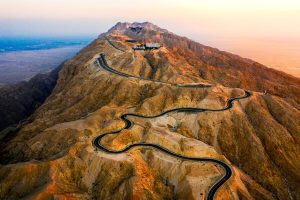
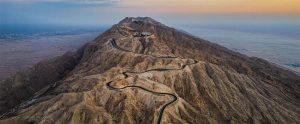
Jebel Hafeet Mountain
A scenic mountain offering panoramic desert views.
Best Time to Visit Al Ain Oasis
The best time to visit is between November and March, when temperatures are cooler and walking outdoors is more comfortable.
Travel Tips
- Visit early morning or late afternoon
- Wear comfortable walking shoes
- Bring water and sun protection
- Allocate 1–2 hours for full exploration
Why Al Ain Oasis Is a Must-Visit Destination
Al Ain Oasis offers a rare combination of nature, history, and sustainability. It is one of the few places in the UAE where visitors can experience a living agricultural system that has existed for millennia.
Its peaceful environment and cultural depth make it a perfect destination for travelers seeking authenticity and relaxation.
Conclusion
Al Ain Oasis is a true green jewel in the desert, preserving ancient traditions while offering a serene escape for modern visitors. As a UNESCO World Heritage Site, it stands as a testament to human ingenuity and harmony with nature.
A visit here is not just sightseeing—it is a journey into the living history of the UAE.