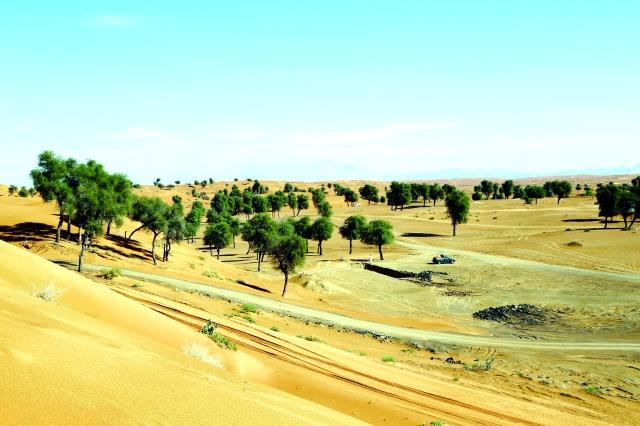
Falaj Al Mualla: A Historic Oasis Town in the UAE’s Cultural Heartland


Falaj Al Mualla is one of the most historically significant inland settlements in the United Arab Emirates, located within the emirate of Umm Al Quwain. Known for its traditional oasis landscape, agricultural heritage, and old falaj irrigation systems, it offers a rare glimpse into the UAE’s pre-modern desert life.
Unlike the modern skylines of Dubai or Abu Dhabi, Falaj Al Mualla preserves a slower, more traditional way of life centered around farming, palm groves, and water channels that have sustained communities for generations.
Overview of Falaj Al Mualla


Falaj Al Mualla is named after the traditional falaj irrigation system, an ancient water distribution method that channels groundwater to farms and settlements. This system has been essential for agriculture in arid desert environments for centuries.
Key Highlights
- Historic agricultural oasis town
- Traditional falaj irrigation system
- Date palm farms and greenery in the desert
- Strong cultural and heritage value
- Located inland from the coastal areas of Umm Al Quwain
The Falaj Irrigation System


The name “Falaj Al Mualla” comes from the falaj system, one of the oldest known irrigation methods in the Arabian Peninsula. It is used to distribute water fairly among farms and communities.
How It Works
Underground Water Channels
Water is collected from underground sources and guided through carefully engineered tunnels.
Equal Distribution
The system ensures fair water sharing between farmers.
Sustainable Agriculture
It allows crops such as dates, vegetables, and fodder to grow in harsh desert conditions.
Agriculture and Oasis Life


Falaj Al Mualla is surrounded by lush date palm plantations and small farms, creating a striking contrast against the surrounding desert landscape.
Main Agricultural Activities
- Date palm cultivation
- Vegetable farming
- Livestock grazing in rural areas
- Traditional irrigation-based agriculture
The oasis environment has supported local communities for generations, making it an important cultural and economic area.
Cultural and Historical Significance


Falaj Al Mualla reflects the traditional Emirati lifestyle before the discovery of oil, when communities depended heavily on agriculture, trade, and natural water systems.
Cultural Importance
Heritage Preservation
The area helps preserve traditional farming and irrigation knowledge.
Rural Emirati Life
It showcases how early Emirati communities lived sustainably in desert conditions.
Historical Identity
It represents the deep connection between people and land in the UAE.
Location and Accessibility
Falaj Al Mualla is located inland in the emirate of Umm Al Quwain, away from the coastal city center.
Travel Information
- Around 45–60 minutes from Sharjah
- Around 1–1.5 hours from Dubai
- Accessible via major desert highways
- Best visited by car
Best Time to Visit


The best time to visit Falaj Al Mualla is between November and March when the weather is cooler and the oasis greenery is most vibrant.
Visitor Tips
- Bring sun protection even in winter
- Respect private farmland areas
- Visit during early morning or sunset for best views
- Combine with Umm Al Quwain coastal attractions
Conclusion
Falaj Al Mualla is a hidden cultural gem of the UAE, offering a rare look into traditional oasis farming and the historic falaj irrigation system. It stands as a reminder of how communities thrived in desert environments long before modern development.
For travelers interested in heritage, agriculture, and authentic Emirati life, Falaj Al Mualla is a peaceful and meaningful destination.