Tarrafal Concentration Camp: Exploring Cabo Verde’s Most Powerful Historical Landmark


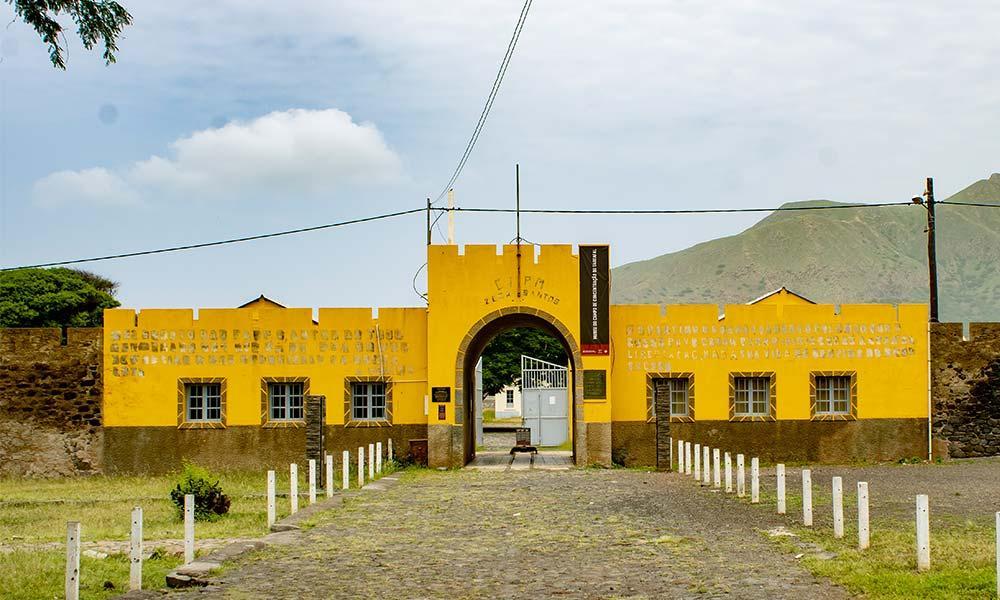
Tarrafal Concentration Camp, officially known as the Tarrafal Resistance Museum, is one of the most significant historical sites in Cabo Verde. Located in the town of Tarrafal on Santiago Island, the former prison stands as a solemn reminder of political repression during the Portuguese dictatorship.
Today, the site serves as a museum and memorial, preserving the stories of those imprisoned for resisting authoritarian rule. It attracts visitors interested in history, human rights, and Cabo Verde’s path toward independence.
History of Tarrafal Concentration Camp


Tarrafal Concentration Camp was established in by Portugal’s Estado Novo regime under António de Oliveira Salazar. Initially, it was used to imprison Portuguese political opponents. Later, it also held independence activists from several Portuguese African colonies, including Cabo Verde, Angola, and Guinea-Bissau.
Because of its harsh climate and brutal conditions, the prison became known as the “Camp of Slow Death.”
Historical Highlights
- Opened in 1936 during the Portuguese dictatorship
- Held political prisoners and anti-colonial activists
- Closed in 1954 and reopened in 1961
- Permanently closed in 1974 following Portugal’s democratic revolution
- Now preserved as a national museum and memorial
Exploring the Museum


Visitors can explore many of the original prison buildings, which have been carefully preserved to educate future generations.
Museum Features
Original Prison Cells
Many of the cells remain largely unchanged, providing insight into the difficult conditions prisoners endured.
Historical Exhibitions
Photographs, personal belongings, official documents, and testimonies tell the stories of former inmates and the political history of the prison.
Memorial Spaces
Dedicated memorials honor those who suffered or lost their lives while imprisoned at Tarrafal.
The Infamous “Frigideira”


One of the most well-known parts of the camp is the “Frigideira” (Portuguese for “Frying Pan”), a punishment cell designed with little ventilation. The intense tropical heat inside made it one of the harshest forms of punishment used within the prison.
Today, the preserved cell serves as a powerful reminder of the human cost of political oppression.
Historical and Cultural Significance


Tarrafal Concentration Camp has become an important symbol of resistance, freedom, and democracy. It commemorates those who fought against dictatorship and colonial rule while promoting education about human rights and historical memory.
Why It Matters
- Preserves Cabo Verde’s modern history
- Honors political prisoners and independence movements
- Promotes education about democracy and human rights
- One of the country’s most important historical museums
Visitor Information


The museum is located in the town of Tarrafal on the northern coast of Santiago Island.
How to Get There
- Approximately 2.5 hours by car from Praia
- Accessible by rental car or taxi
- Included in many guided historical tours of Santiago Island
Visitor Tips
- Allow at least 1–2 hours to explore the museum.
- Read the exhibition panels for historical context.
- Wear comfortable walking shoes.
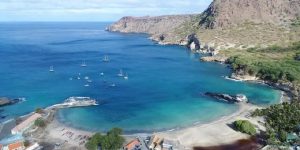
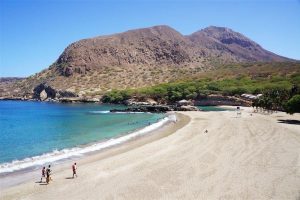
- Combine your visit with Tarrafal Beach and other nearby attractions.
Nearby Attractions
After visiting the museum, travelers can explore several nearby destinations.
Places Worth Visiting
- Tarrafal Beach
- Serra Malagueta Natural Park
- Cidade Velha
- Praia
These attractions provide a deeper appreciation of Santiago Island’s natural beauty and cultural heritage.
Why Visit Tarrafal Concentration Camp?
Tarrafal Concentration Camp is more than a historical monument—it is a place of remembrance and education. Walking through its preserved buildings offers a profound understanding of the struggles faced by political prisoners and the resilience of those who fought for freedom.
For travelers interested in history, culture, and human rights, it is one of the most meaningful destinations in Cabo Verde.
Conclusion
Tarrafal Concentration Camp stands as one of Cabo Verde’s most important historical landmarks. Its preserved prison cells, educational exhibitions, and powerful memorials ensure that the stories of those who suffered under dictatorship are never forgotten.
A visit to the Tarrafal Resistance Museum offers not only a lesson in history but also an opportunity to reflect on the enduring values of freedom, justice, and human dignity.