Baldwin Street: Walk the World’s Steepest Residential Street in New Zealand


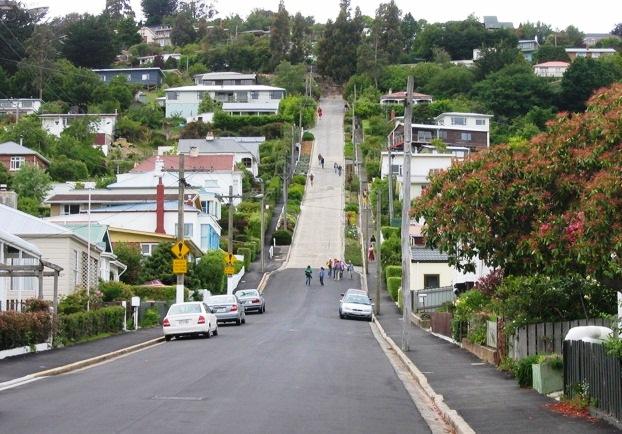
Baldwin Street is one of the most famous attractions in Dunedin and is renowned for its incredibly steep gradient. Located in the suburb of North East Valley, the street has long been recognized as one of the steepest residential streets in the world, drawing thousands of visitors each year who come to test their endurance, capture unique photos, and enjoy panoramic views from the top.
Whether you’re looking for a fun walking challenge or an iconic New Zealand landmark, Baldwin Street offers a memorable experience unlike anywhere else.
Discover Baldwin Street


Designed in the 19th century as part of Dunedin’s early street grid, Baldwin Street climbs dramatically toward Signal Hill. Its steep upper section is made of concrete rather than asphalt, as traditional paving materials would not remain stable on such a sharp incline.
Highlights of Baldwin Street
- One of the world’s steepest residential streets
- Incredible panoramic city views
- Unique engineering and road design
- Popular photography location
- Family-friendly walking attraction
- Free to visit year-round
Experience the Legendary Climb


The climb to the summit is short but surprisingly challenging due to the street’s remarkable incline.
What to Expect
A Steep Adventure
The steepest section reaches a gradient of approximately 35% (1 in 2.86), making every step feel like a workout.
Incredible Views
From the top, visitors are rewarded with sweeping views across Dunedin, surrounding neighborhoods, and distant hills.
A Fun Challenge
Many travelers enjoy timing their climb or taking creative perspective photos along the way.
A Street with International Fame


Baldwin Street has gained worldwide recognition through travel documentaries, guidebooks, and social media. It has become a symbol of Dunedin and is frequently included in itineraries exploring New Zealand’s South Island.
The street has also hosted fun community events over the years, including races and charity competitions that celebrate its unusual geography.
Photography Tips
Baldwin Street is a paradise for photographers thanks to its dramatic perspective and colorful residential setting.
Best Photo Spots
- Base of the street looking uphill
- Midway viewpoint for perspective shots
- Summit overlooking Dunedin
- Early morning or late afternoon for softer lighting
Wide-angle lenses work particularly well for emphasizing the street’s dramatic slope.
Nearby Attractions


Combine your visit with several nearby attractions to make the most of your time in Dunedin.
Places Worth Visiting
- Otago Museum
- Dunedin Railway Station
- Signal Hill
- Dunedin Botanic Garden
Together, these attractions provide a wonderful mix of history, nature, and city views.
Best Time to Visit


Baldwin Street can be visited throughout the year. Clear days provide the best views, while early mornings and evenings are ideal for photography and avoiding larger crowds.
Visitor Tips
- Wear comfortable walking shoes with good grip.
- Bring water, especially during warmer months.
- Respect the privacy of local residents.
- Take your time on the descent, as it can be just as challenging as the climb.
- Allow 30–60 minutes for your visit.
Why Visit Baldwin Street?
Baldwin Street is more than just a steep road—it is a unique attraction that combines engineering curiosity, scenic views, and a fun physical challenge. Its international reputation and easy accessibility make it one of Dunedin’s most distinctive landmarks.
Whether you’re crossing it off your travel bucket list or simply looking for an unusual experience, Baldwin Street is a memorable stop on any South Island itinerary.
Final Thoughts
Baldwin Street proves that even an ordinary residential road can become a world-famous destination. With its extraordinary incline, panoramic viewpoints, and lively atmosphere, it offers visitors a fun and unforgettable experience that showcases the unique character of Dunedin.
If you’re exploring New Zealand’s South Island, don’t miss the chance to conquer one of the world’s most iconic streets.