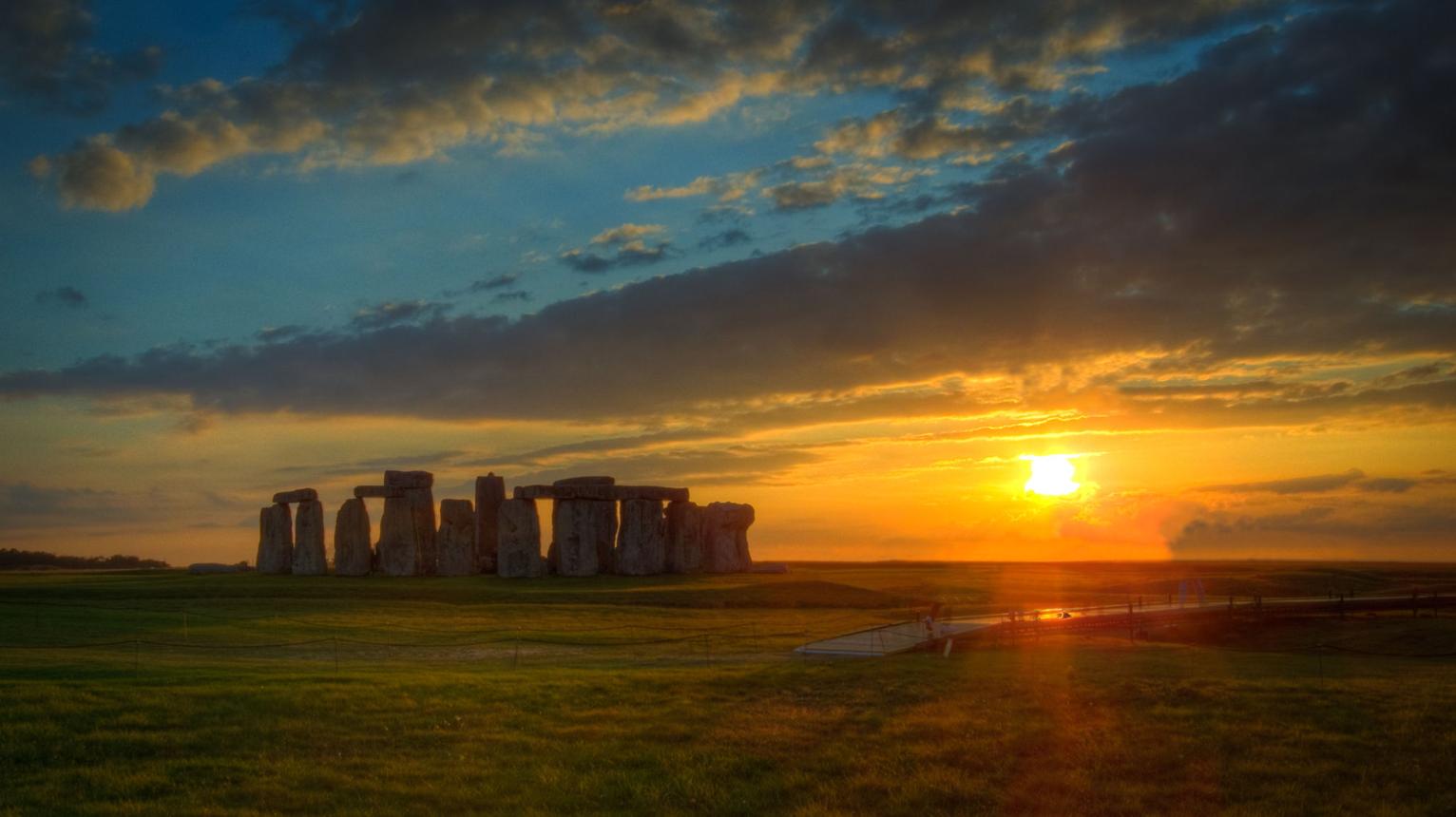
Stonehenge – Unraveling England’s Greatest Prehistoric Mystery


Stonehenge is one of the world’s most famous prehistoric monuments and one of England’s most visited attractions. Located in the county of Wiltshire, this ancient stone circle has fascinated historians, archaeologists, and travelers for centuries.
Built more than 4,000 years ago, Stonehenge remains one of humanity’s greatest mysteries, attracting visitors eager to explore its history, legends, and remarkable engineering.
A Monument That Defies Time


Standing alone on Salisbury Plain, Stonehenge is a powerful reminder of prehistoric Britain.
The site features:
- Massive standing stones
- Circular arrangements
- Ancient earthworks
- Sacred ceremonial landscapes
- Archaeological wonders
Its impressive scale continues to amaze visitors from around the globe.
How Did Ancient Builders Move These Giant Stones?


One of Stonehenge’s greatest mysteries is how ancient people transported and erected the enormous stones.
Researchers believe:
- Some stones traveled over 200 kilometers
- Wooden sledges may have been used
- Human labor played a crucial role
- Construction took place over several centuries
Even today, archaeologists continue to debate the exact methods used.
Following the Sun Across the Sky


Stonehenge is famous for its connection to astronomy.
The monument aligns with:
- Summer solstice sunrise
- Winter solstice sunset
- Seasonal cycles
- Ancient celestial observations
Thousands of people gather each year to witness the magical sunrise during the summer solstice.
More Than a Stone Circle


Stonehenge was not an isolated structure.
The surrounding landscape contains:
- Burial mounds
- Ancient pathways
- Ceremonial sites
- Archaeological remains
Together, these elements form one of Europe’s most significant prehistoric landscapes.
The Legends That Refuse to Fade


Over the centuries, numerous legends have surrounded Stonehenge.
Popular stories include:
- Merlin transporting the stones
- Ancient druids performing rituals
- Supernatural origins
- Lost civilizations
While many myths have been disproven, they continue to add to Stonehenge’s mystique.
Walking Through England’s UNESCO Treasure


Today, Stonehenge is recognized as a UNESCO World Heritage Site.
Visitors can enjoy:
- Visitor exhibitions
- Interactive displays
- Archaeological artifacts
- Educational experiences
- Scenic walking routes
The modern visitor center helps bring the monument’s history to life.
Why Sunrise and Sunset Are the Best Times to Visit


Lighting dramatically transforms the monument throughout the day.
Early morning and evening offer:
- Softer light
- Fewer crowds
- Stunning photography conditions
- Enhanced atmosphere
These moments create some of the most memorable experiences at Stonehenge.
Nearby Attractions Worth Exploring


While visiting Stonehenge, consider exploring nearby destinations such as:
- Salisbury Cathedral
- Avebury
- Salisbury city center
- Wiltshire countryside
These attractions complement a Stonehenge itinerary perfectly.
Why Stonehenge Continues to Fascinate the World


Few landmarks capture the imagination quite like Stonehenge. Its mysterious origins, astronomical alignments, and remarkable engineering achievements continue to inspire curiosity thousands of years after its construction. Whether you’re passionate about history, archaeology, or simply exploring iconic landmarks, Stonehenge is an unforgettable destination.


