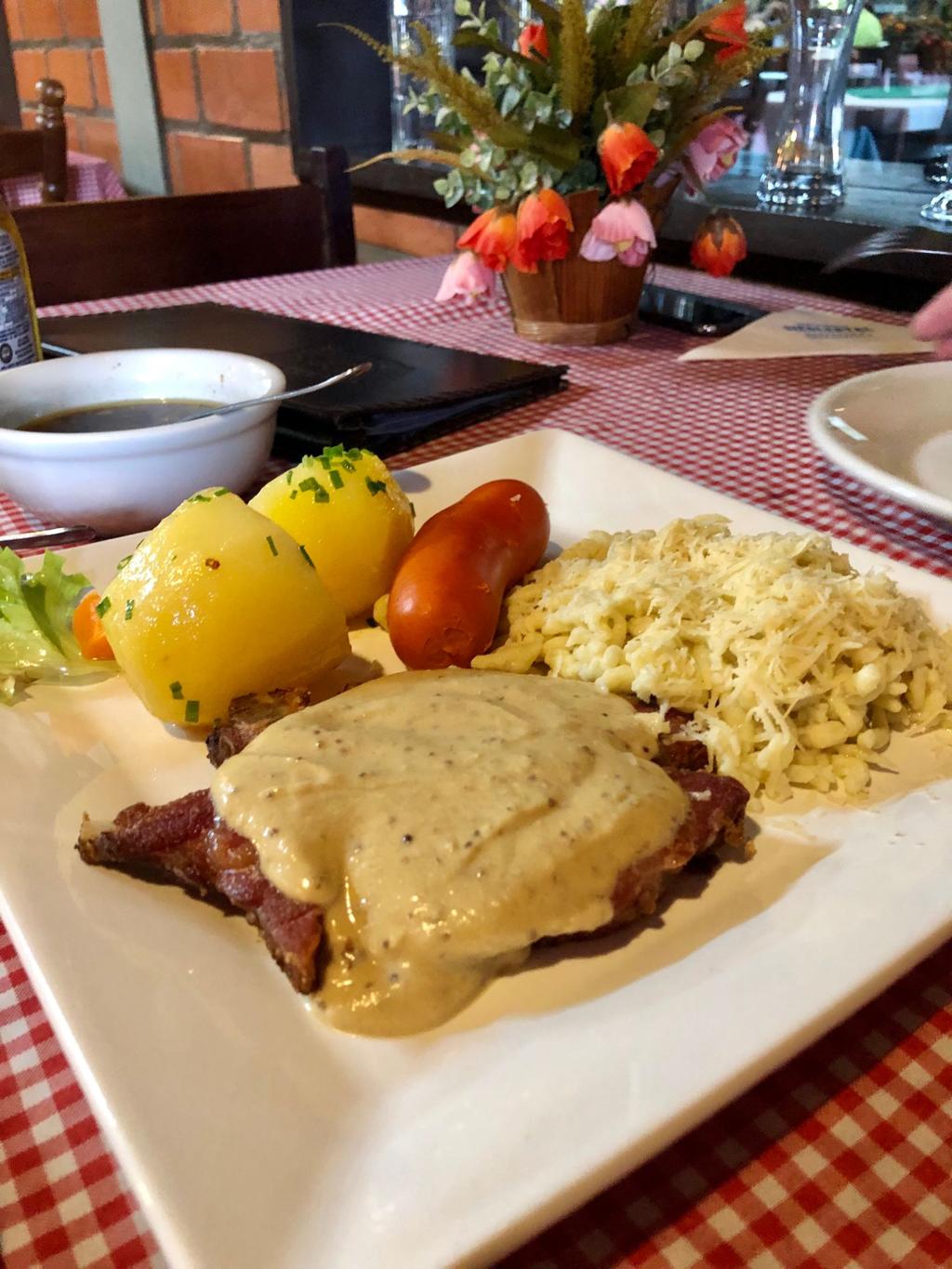
German Cuisine – Beyond Sausages and Beer: A Flavorful Journey Through Germany’s Culinary Traditions


German cuisine is far more diverse than many travelers expect. While Germany is famous for sausages, pretzels, and beer, the country’s culinary landscape stretches far beyond these iconic staples. Influenced by regional traditions, local ingredients, and centuries of cultural exchange, German food offers hearty flavors, comforting dishes, and unforgettable culinary experiences.
From the Alpine specialties of Bavaria to the seafood-rich cuisine of northern Germany, every region contributes unique flavors to the country’s rich gastronomic heritage.
Why German Cuisine Is Built on Tradition and Quality


German cuisine emphasizes:
- Fresh local ingredients
- Seasonal produce
- Traditional recipes
- Regional specialties
- Generous portions
Many recipes have been passed down through generations, preserving authentic flavors that remain popular today.
The Legendary Sausages That Define German Food Culture


Germany is home to hundreds of sausage varieties.
Among the most famous are:
- Bratwurst
- Currywurst
- Weisswurst
- Thüringer Rostbratwurst
These sausages are enjoyed at restaurants, festivals, beer gardens, and street-food stalls throughout the country.
The Golden Pretzel That Became a German Icon


Few foods symbolize Germany more than the famous Brezel, known internationally as the pretzel.
This beloved baked treat features:
- A crisp golden crust
- Soft chewy interior
- Distinctive knot shape
- Perfect pairing with beer
Pretzels are especially popular in Bavaria and southern Germany.
Schnitzel and Hearty Comfort Food Across the Nation


One of the most widely enjoyed dishes is Schnitzel.
It is often served with:
- Potato salad
- French fries
- Red cabbage
- Seasonal vegetables
German cuisine is renowned for hearty meals designed to satisfy after a long day of work or travel.
The Slow-Cooked Dishes That Warm German Winters


Traditional German dining includes many slow-cooked specialties such as:
- Schweinshaxe (roasted pork knuckle)
- Beef stews
- Braised meats
- Regional roasts
These dishes showcase Germany’s love of rich flavors and comforting meals.
Discovering Bavaria’s Most Famous Culinary Traditions

The Bavarian region is particularly famous for its food culture.
Popular specialties include:
- Weisswurst
- Pretzels
- Pork knuckle
- Local cheeses
- Traditional beer garden dishes
Visitors to Bavaria quickly discover why the region is considered Germany’s culinary heartland.
Fresh Seafood From Germany’s Northern Coast


Northern Germany offers a completely different culinary experience.
Popular coastal dishes include:
- Fresh herring
- Smoked fish
- Shrimp specialties
- Fish sandwiches
Cities like Hamburg are renowned for their seafood traditions.
Sweet Treats That Germans Have Perfected for Centuries


German desserts are celebrated worldwide.
Must-try sweets include:
- Black Forest Cake
- Apple strudel
- Cheesecake
- Christmas cookies
- Fruit pastries
German bakeries remain an essential part of everyday life.
Beer: More Than a Drink, a National Tradition


Germany’s beer culture is legendary.
Popular varieties include:
- Pilsner
- Helles
- Weissbier
- Kölsch
- Dunkel
The famous Oktoberfest showcases the country’s deep-rooted brewing traditions.
Christmas Markets and Seasonal Flavors


During winter, German Christmas markets introduce visitors to seasonal favorites such as:
- Roasted almonds
- Gingerbread
- Mulled drinks
- Holiday pastries
- Traditional festive treats
These seasonal foods are an important part of German culture.
Why German Cuisine Is One of Europe’s Most Underrated Culinary Experiences

German cuisine combines tradition, regional diversity, quality ingredients, and centuries of culinary heritage. From hearty sausages and roasted meats to elegant desserts and world-famous beer, Germany offers a rich food culture that surprises many first-time visitors.
For travelers seeking authentic European flavors, German cuisine delivers far more than expected.


