Hungary Sinks Barges into Danube River to Mitigate Energy Crisis
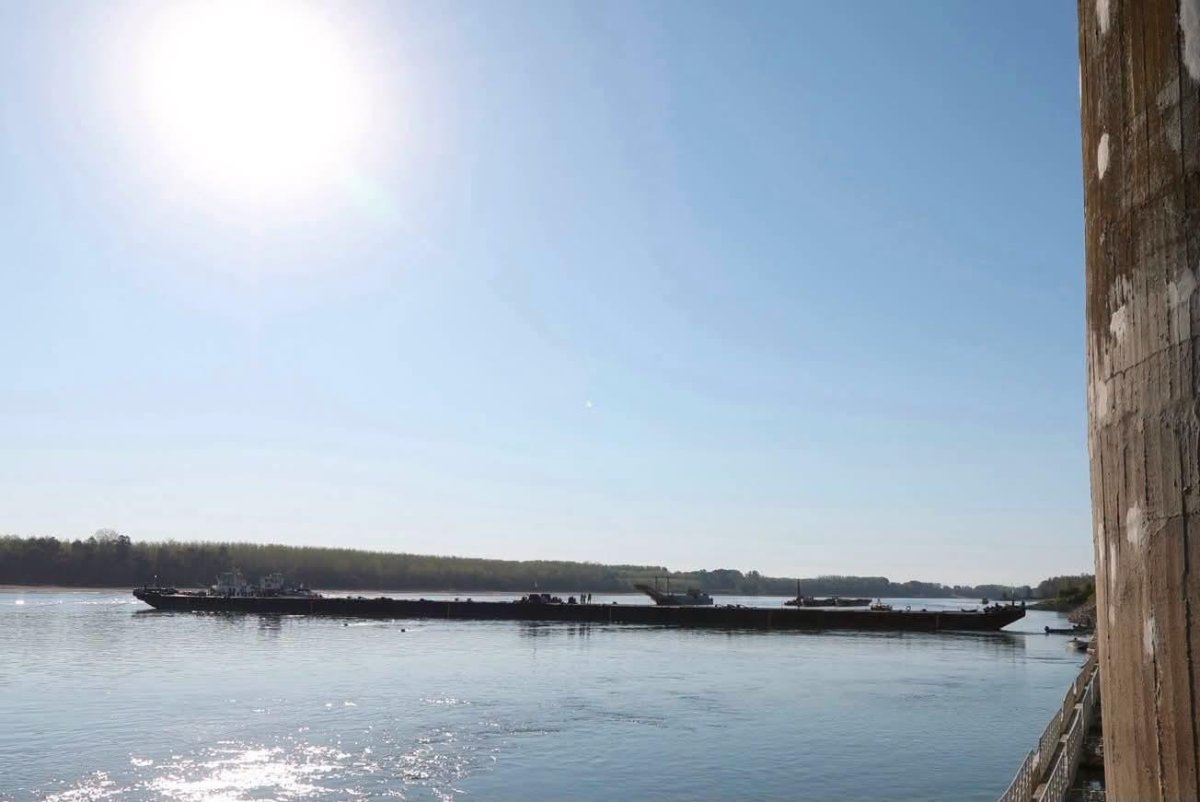
Desperate Measures to Stave Off Energy Crisis
In an unprecedented move, Hungarian working crews are sinking two barges into the Danube River in a bid to raise water levels and prevent an energy crisis, according to Prime Minister Peter Magyar.
The Danube River, which stretches over 1,800 miles, has hit record lows due to a prolonged drought across Europe. Water levels have dropped by 48 inches below the usual mark, and are expected to fall by a further 4 inches by Monday.
If the water levels drop that low, the Paks Nuclear Power Plant, which relies on the river for cooling its reactors, will be forced to shut down one of its last two functioning turbines. This would have a significant impact on the country’s energy supply, particularly with the plant responsible for generating half of the electricity needed by Hungary’s 10 million residents.
The Paks Nuclear Power Plant is a critical component of Hungary’s energy infrastructure, and any disruption to its operations would have far-reaching consequences for the country’s economy and residents. In light of this, the Hungarian government has taken the drastic measure of sinking two 260-foot barges into the Danube River to raise the water levels.
Water Management Experts on the Job
Prime Minister Magyar stated that water management experts are continuously monitoring the water level, water velocity, and riverbed condition using a measuring vessel and installed measuring devices. This monitoring will provide critical insights into the effectiveness of the barges in raising the water levels.
The use of barges to mitigate the energy crisis is an innovative approach, but its success remains uncertain. The operation requires careful planning and execution to avoid any potential risks or environmental impacts.
The situation highlights the pressing need for sustainable water management practices and innovative solutions to address the challenges posed by climate change. The Hungarian government’s decision to sink barges into the Danube River is a testament to the country’s commitment to finding creative solutions to pressing problems.
Consequences of the Energy Crisis
The energy crisis in Hungary has significant implications for the country’s economy and residents. A shutdown of the Paks Nuclear Power Plant would lead to power outages, disrupting daily life and impacting businesses. The country’s energy security is of paramount importance, and the government must take swift action to mitigate the crisis.
The use of barges to raise water levels is a temporary solution, and the government must explore long-term strategies to address the underlying issues driving the energy crisis. This includes investing in renewable energy sources, improving water management practices, and enhancing the country’s energy infrastructure.
The situation serves as a stark reminder of the need for effective water management and sustainable energy practices. The Hungarian government’s decision to sink barges into the Danube River is a critical step in addressing the energy crisis, but it is essential to develop a comprehensive plan to ensure the country’s energy security in the long term.
The success of the operation will be closely monitored, and its impact on the energy crisis will be assessed. In the meantime, the Hungarian government must continue to work towards finding sustainable solutions to address the pressing issues facing the country.