Arequipa Cuisine – Peru’s White City Food Experience of Volcano, Tradition & Flavor


Introduction
Arequipa is famous not only for its stunning volcanic landscapes and white sillar architecture, but also for one of the richest regional cuisines in Peru. Known as “la cocina arequipeña,” this food culture is bold, spicy, and deeply rooted in tradition, reflecting centuries of indigenous and colonial influence.
From historic picanterías to hearty stews, Arequipa cuisine is a must-try experience for any traveler exploring southern Peru.
Exploring the Heart of Arequipeño Cooking


Where Culinary Tradition Was Born
Arequipa’s cuisine developed in family-run picanterías.
Key highlights:
- Traditional wood-fired kitchens
- Passed-down family recipes
- Rustic communal dining spaces
- Strong regional identity
- UNESCO-recognized culinary heritage style
These kitchens preserve centuries of culinary history.
Savoring the Iconic Rocoto Relleno


Arequipa’s Most Famous Spicy Dish
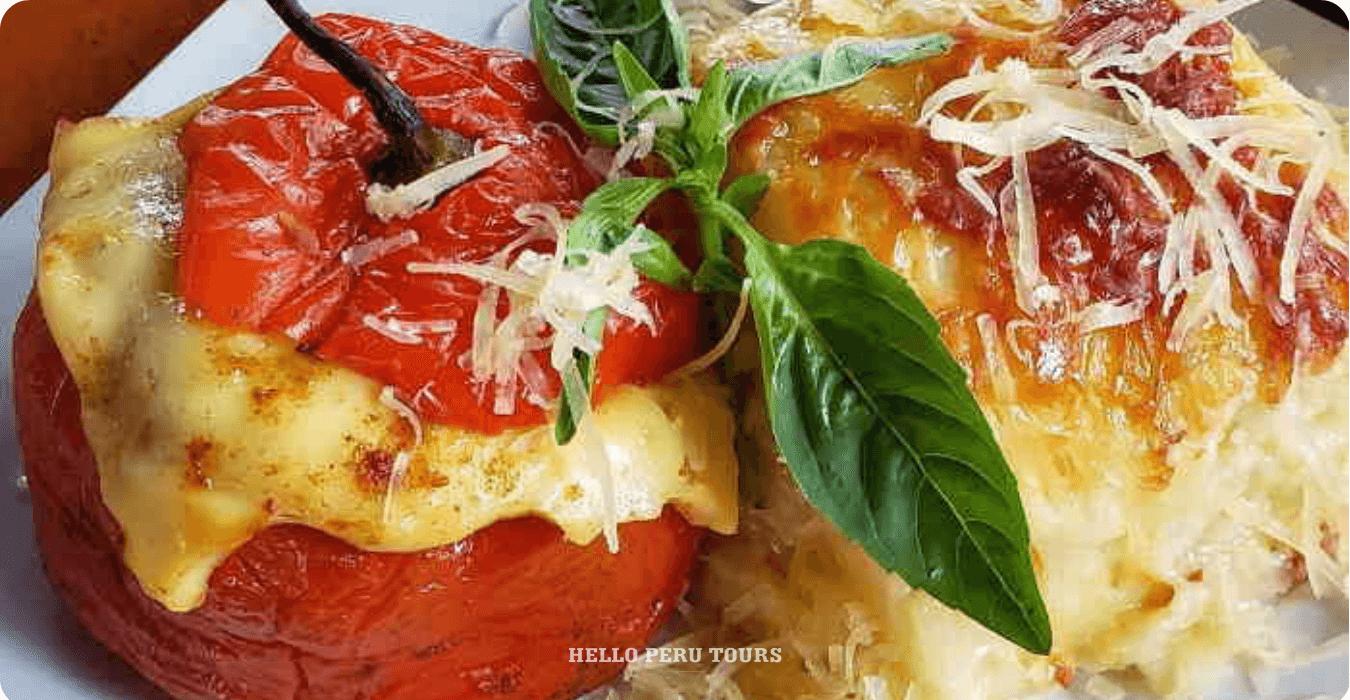
This dish is the symbol of local flavor intensity.
Key highlights:
- Stuffed rocoto chili peppers
- Filled with beef, olives, and spices
- Topped with melted cheese
- Baked until golden
- Spicy yet balanced taste
It perfectly represents Arequipa’s bold cuisine.
Tasting the Rich Adobo Arequipeño


A Slow-Cooked Breakfast Tradition
Adobo is a signature Sunday dish in Arequipa.
Key highlights:
- Pork marinated overnight
- Cooked with chicha and spices
- Traditionally eaten in the morning
- Served in clay pots
- Deep, rich flavor profile
It’s comfort food with cultural depth.
Discovering the Flavor of Chupe de Camarones


A Creamy Andean Seafood Classic
This hearty soup is beloved across the region.
Key highlights:
- Fresh river shrimp
- Potatoes, corn, and rice
- Milk-based broth
- Egg and cheese topping
- Rich and filling texture
It blends coastal and Andean ingredients beautifully.
Experiencing the Traditional Picanterías


The Soul of Arequipa’s Food Culture
Arequipa cuisine is best experienced in picanterías.
Key highlights:
- Traditional daily menus
- Communal dining experience
- Clay pots and wooden tables
- Homemade chicha drinks
- Family-run establishments
These places are cultural institutions, not just restaurants.
Drinking Chicha de Guiñapo Like a Local


A Traditional Andean Beverage
Chicha is an essential part of the dining experience.
Key highlights:
- Made from fermented corn (guiñapo)
- Slightly sweet and sour taste
- Served in clay jars
- Ancient pre-Inca origins
- Common in picanterías
It completes every traditional meal.
Exploring Street Food & Local Markets


Everyday Flavors of the City
Markets offer authentic local bites.
Key highlights:
- Fresh cheeses and bread
- Traditional empanadas
- Corn-based snacks
- Herbal drinks
- Busy local atmosphere
It’s where daily life and food culture meet.
Understanding the Cultural Roots of the Cuisine


A Blend of History and Geography
Arequipa’s food reflects centuries of influence.
Key highlights:
- Indigenous Andean traditions
- Spanish colonial influence
- Volcanic soil agriculture
- Diverse microclimates
- Strong regional identity
This mix creates unique flavors found nowhere else.
Sweet Treats of Arequipa


Ending Meals on a Sweet Note
Arequipa also has famous desserts.
Key highlights:
- Queso helado (traditional ice cream)
- Alfajores cookies
- Convent sweets
- Cinnamon-flavored treats
- Handmade local recipes
Perfect for cooling down after spicy meals.
Why Arequipa Cuisine Is a Must-Experience in Peru


A Culinary Journey Through the White City
Arequipa cuisine is more than food—it is history, identity, and tradition served on a plate. From spicy rocoto relleno to slow-cooked adobo and rich chupe de camarones, every dish tells the story of the Andes and its people.
For travelers, Arequipa is one of Peru’s most unforgettable culinary destinations.