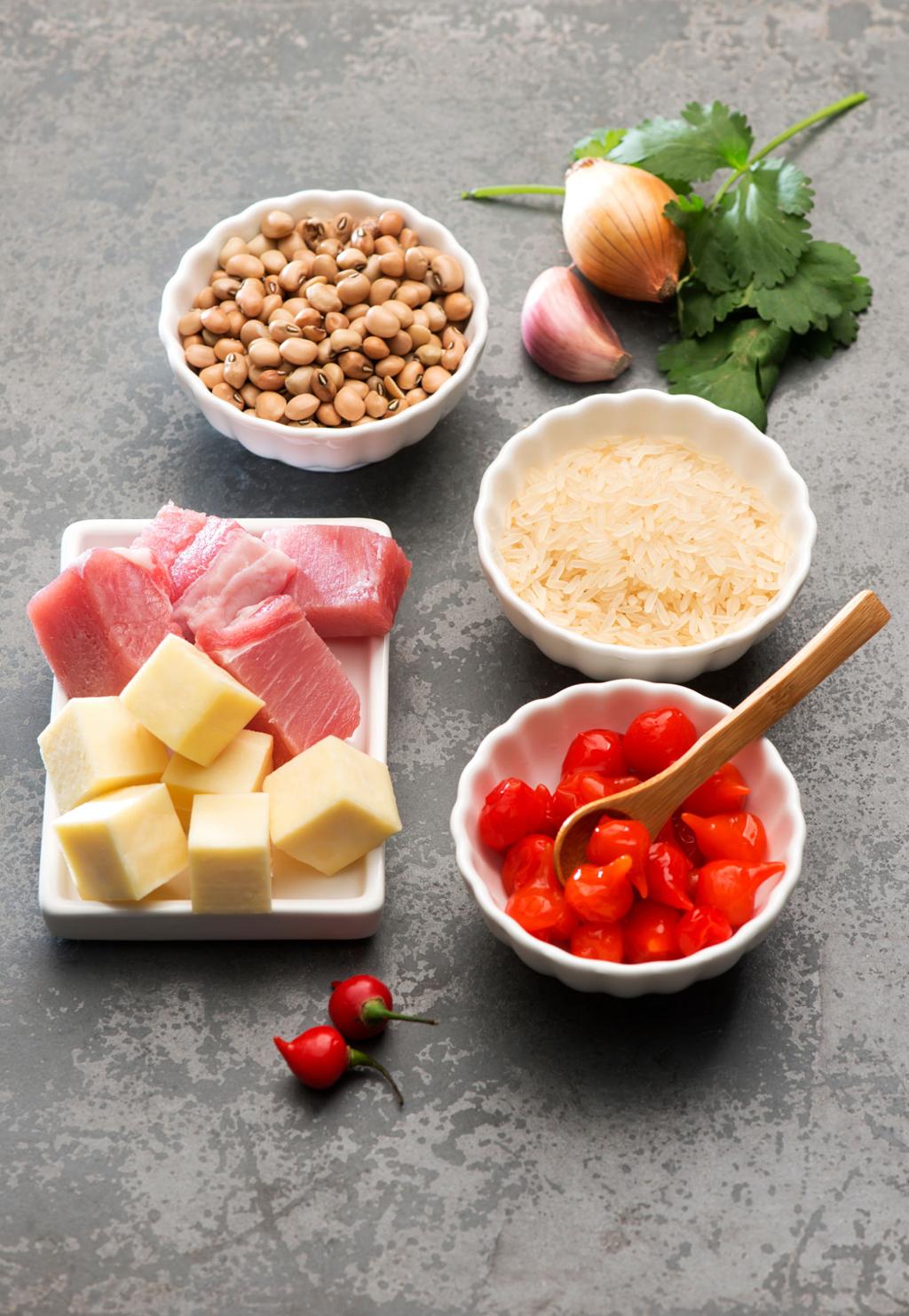
Bahian Cuisine – Discover Brazil’s Most Flavorful Culinary Treasure


Introduction
Bahian cuisine, known in Portuguese as Culinária Baiana, is one of Brazil’s richest and most distinctive culinary traditions. Originating from the northeastern state of Bahia, this vibrant cuisine reflects a fascinating blend of African, Indigenous, and Portuguese influences that have shaped Brazil’s cultural identity for centuries.
From spicy street snacks and coconut-infused seafood stews to irresistible desserts, Bahian food offers an unforgettable journey through flavors, aromas, and traditions that continue to captivate locals and travelers alike.
Understanding the Roots of Bahian Cuisine


A Fusion of Cultures on Every Plate
Bahian cuisine tells the story of Brazil’s diverse heritage.
Key highlights:
- Strong African culinary influence
- Indigenous cooking techniques
- Portuguese ingredients and traditions
- Generations of family recipes
- Deep cultural significance
Each dish carries centuries of history and resilience.
Savoring the Famous Acarajé


Bahia’s Most Iconic Street Food
Acarajé is perhaps Bahia’s most celebrated culinary creation.
Key highlights:
- Made from black-eyed peas
- Deep-fried in palm oil
- Crispy exterior and soft interior
- Filled with shrimp and condiments
- Popular throughout Salvador
A single bite delivers bold, unforgettable flavors.
Experiencing the Richness of Moqueca Baiana


A Seafood Masterpiece
Moqueca is one of Brazil’s most beloved dishes.
Key highlights:
- Fish or seafood base
- Coconut milk broth
- Tomatoes and peppers
- Palm oil seasoning
- Served with rice
Its creamy texture and aromatic spices define Bahian comfort food.
Discovering the Magic of Dendê Oil


The Ingredient That Defines Bahia
Palm oil, known as dendê, is essential to many dishes.
Key highlights:
- Distinctive golden-orange color
- Unique earthy flavor
- African culinary roots
- Used in savory recipes
- Signature Bahian ingredient
Its presence instantly identifies authentic Bahian cuisine.
Enjoying Vatapá’s Creamy Indulgence


A Dish Rich in Flavor
Vatapá offers a luxurious culinary experience.
Key highlights:
- Bread-based preparation
- Coconut milk richness
- Ground peanuts and cashews
- Shrimp seasoning
- Smooth texture
Its complexity reflects Bahia’s culinary artistry.
Exploring the Vibrant Food Markets


Where Local Flavors Come Alive
Markets provide authentic encounters with Bahian food culture.
Key highlights:
- Fresh seafood displays
- Local spices and herbs
- Street food stalls
- Traditional ingredients
- Friendly local vendors
These lively spaces immerse visitors in daily life.
Indulging in Traditional Bahian Desserts
Sweet Endings Full of Tradition
Desserts hold a special place in Bahian cuisine.
Key highlights:
- Coconut-based recipes
- Tropical fruit influences
- Portuguese inspirations
- Homemade preparations
- Rich, satisfying flavors
They provide the perfect conclusion to a meal.
Experiencing Food Through Celebration


Cuisine as Cultural Expression
Food accompanies Bahia’s major celebrations.
Key highlights:
- Family gatherings
- Religious festivals
- Community traditions
- Music and dance events
- Shared culinary heritage
Meals strengthen social and cultural bonds.
Tips for Trying Bahian Cuisine


Make the Most of Your Culinary Adventure
A few recommendations enhance the experience.
Key highlights:
- Start with local specialties
- Explore neighborhood eateries
- Ask about spice levels
- Try multiple dishes
- Pair meals with regional drinks
Curiosity leads to memorable discoveries.
Why Bahian Cuisine Belongs on Every Food Lover’s Bucket List


A Celebration of Flavor and Heritage
Bahian cuisine is far more than a collection of recipes. It is a living expression of Brazil’s multicultural identity, shaped by generations of tradition and creativity. Through dishes like acarajé, moqueca, and vatapá, travelers gain a deeper understanding of Bahia’s people, history, and spirit.
For anyone passionate about authentic culinary experiences, exploring the flavors of Bahia is one of Brazil’s most rewarding adventures.


