Barkhor Street – The Living Pilgrimage Circle and Cultural Heartbeat of Old Lhasa


Introduction
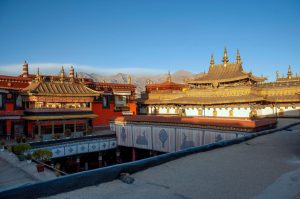
Barkhor Street is one of the most important cultural and spiritual streets in Tibet. Located in the heart of Lhasa, it surrounds Jokhang Temple and forms a sacred pilgrimage circuit known as the kora, where pilgrims walk clockwise as part of their spiritual practice.
At the same time, it is a vibrant marketplace where ancient traditions and daily life blend seamlessly.
The Sacred Kora Path Around Jokhang Temple


A Continuous Circle of Devotion
Barkhor Street forms a sacred circular path around Jokhang Temple.
Key spiritual practices:
- Clockwise circumambulation (kora)
- Full-body prostration rituals
- Continuous prayer chanting
- Use of prayer beads and wheels
- Long-distance pilgrim journeys ending here
It is one of the most active pilgrimage routes in Tibet.
A Marketplace Frozen in Ancient Time


A Blend of Commerce and Culture
Barkhor Street is also a traditional market.
Visitors can find:
- Tibetan handicrafts and jewelry
- Prayer flags and religious items
- Incense and ritual objects
- Traditional clothing and textiles
- Local food and souvenirs
It preserves centuries-old trading traditions.
Surrounding Jokhang Temple Spiritual Energy


The Sacred Center of Lhasa
Barkhor Street exists entirely because of Jokhang Temple.
Key characteristics:
- Encircles Tibet’s holiest temple
- Constant flow of pilgrims
- Strong spiritual atmosphere
- Blend of religion and daily life
- Historic urban layout of old Lhasa
It is the spiritual core of the city.
Daily Life in Old Lhasa


A Living Cultural Environment
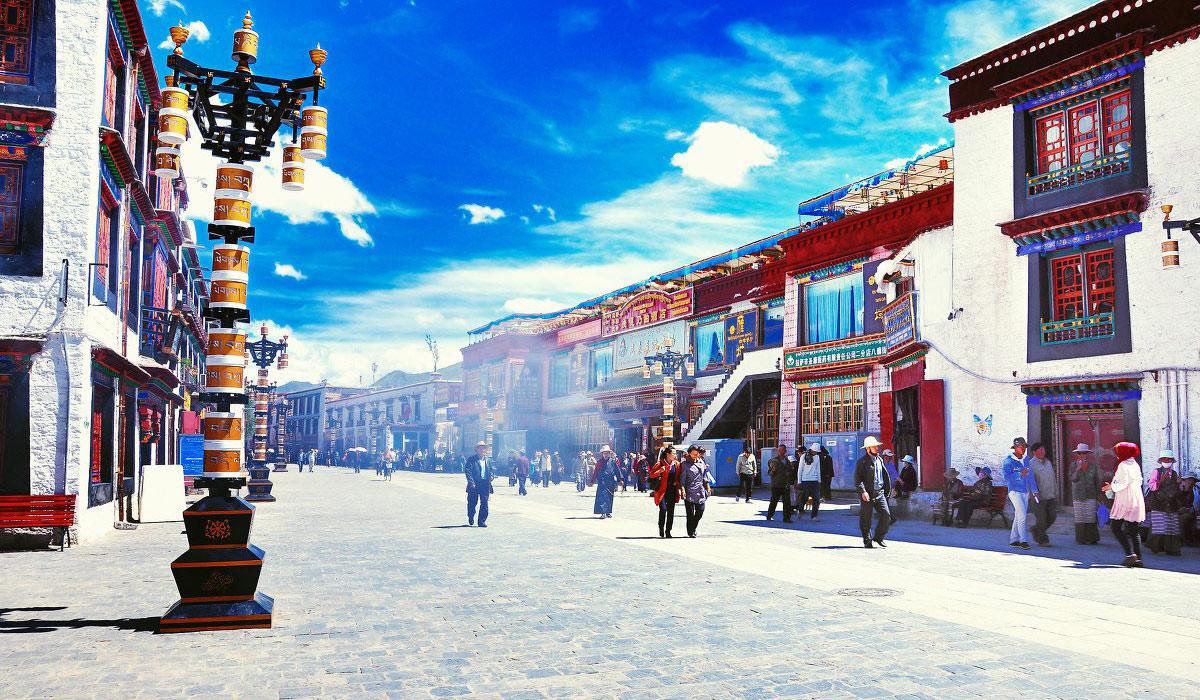
Barkhor Street is not only sacred but also lived-in.
Everyday scenes include:
- Locals shopping and trading
- Pilgrims walking alongside tourists
- Tea houses and small cafés
- Traditional Tibetan homes
- Slow, rhythmical street life
It reflects authentic Tibetan urban culture.
Prayer Wheels and Ritual Practices


Movement of Faith Along the Street
Barkhor Street is filled with ritual objects.
Common practices:
- Spinning prayer wheels while walking
- Chanting mantras continuously
- Carrying prayer beads (mala)
- Wearing traditional pilgrim clothing
- Performing symbolic gestures of devotion
Every step becomes a form of prayer.
Architecture and Historic Urban Layout


A Preserved Ancient City Structure
Barkhor Street preserves the traditional layout of old Lhasa.
Key architectural features:
- Narrow winding streets
- Traditional Tibetan buildings
- Wooden carved windows
- Stone-paved walkways
- Historic preservation zones
It reflects centuries of unchanged urban design.
Festivals and Religious Gatherings


When the Street Becomes a Pilgrimage Sea
Barkhor Street becomes especially vibrant during festivals.
Major events include:
- Tibetan New Year celebrations
- Monlam Prayer Festival
- Large-scale pilgrim gatherings
- Religious chanting ceremonies
- Cultural street processions
It transforms into a powerful spiritual center.
Evening Atmosphere and Night Life


A Different Energy After Sunset
Barkhor Street changes character at night.
Evening highlights:
- Warm lights from shops and lamps
- Quieter pilgrimage routes
- Nighttime temple glow
- Relaxed local atmosphere
- Reflection of spiritual calm
It becomes peaceful and atmospheric.
Why Barkhor Street Is the Soul of Lhasa


A Street Where Life and Faith Are One
Barkhor Street is more than a road—it is a living spiritual ecosystem. It connects religion, culture, trade, and daily life into one continuous flow of movement and devotion.