Bird’s Nest Stadium Beijing – Explore China’s Iconic Olympic Landmark


Introduction
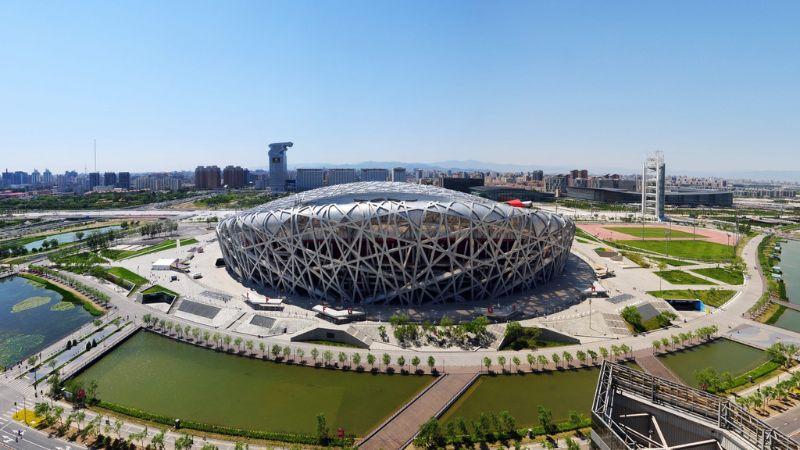
National Stadium, widely known as the Bird’s Nest Stadium, is one of the most recognizable sports venues in the world. Located in Beijing Olympic Park, the stadium became an international icon after hosting the opening and closing ceremonies of the 2008 Beijing Olympic Games.
With its innovative architecture, massive scale, and cultural significance, the Bird’s Nest Stadium has become one of Beijing’s top tourist attractions and a symbol of modern China.
Why Bird’s Nest Stadium Is So Famous


A Global Symbol of Modern Architecture
The Bird’s Nest Stadium is famous for its extraordinary design and Olympic legacy.
Highlights include:
- Home of the 2008 Beijing Olympics
- Hosted the 2022 Winter Olympics ceremonies
- One of the world’s most innovative stadium designs
- Landmark of Beijing Olympic Park
- Popular destination for architecture enthusiasts
Its unique appearance resembles an enormous bird’s nest, giving the stadium its famous nickname.
History of Bird’s Nest Stadium


Built for the Olympic Games
Construction of the stadium began in 2003 and was completed in 2008 ahead of the Summer Olympics.
The venue played a central role in:
- Opening ceremonies
- Closing ceremonies
- Olympic track and field events
- International sporting competitions
- Cultural performances and concerts
The stadium later gained worldwide attention again during the 2022 Winter Olympics.
The Unique Bird’s Nest Design


An Engineering Masterpiece
The stadium’s design is one of its most impressive features.
Key architectural highlights include:
- Interwoven steel framework
- Distinctive nest-like appearance
- Modern engineering innovation
- Sustainable design concepts
- Massive seating capacity
The complex steel structure creates a dramatic visual effect unlike any other stadium in the world.
Exploring the Stadium Interior


Experience an Olympic Venue
Visitors can explore various areas inside the stadium and learn about its Olympic history.
Popular experiences include:
- Viewing the athletic field
- Learning about Olympic events
- Visiting exhibition areas
- Exploring observation points
- Taking memorable photographs
The interior offers a fascinating glimpse into one of the world’s most famous sporting venues.
Bird’s Nest Stadium at Night


One of Beijing’s Most Spectacular Night Views
After sunset, the stadium becomes even more impressive.
Visitors can enjoy:
- Colorful lighting displays
- Reflections in nearby water features
- Stunning evening photography
- Beautiful views of Olympic Park
Nighttime is considered one of the best times to visit the Bird’s Nest.
Beijing Olympic Park


Explore the Olympic Legacy
The stadium is located within Olympic Green, one of Beijing’s most modern districts.
Nearby attractions include:
- National Aquatics Center (Water Cube)
- Olympic Forest Park
- Olympic observation towers
- Public plazas and gardens
The area provides a full day of sightseeing opportunities.
Best Time to Visit Bird’s Nest Stadium


Seasonal Travel Guide
Recommended times to visit include:
Spring
- Pleasant weather
- Comfortable sightseeing conditions
Summer
- Longer daylight hours
- Vibrant Olympic Park atmosphere
Autumn
- Clear skies
- Excellent photography conditions
Evening
- Spectacular lighting effects
- Stunning city views
Autumn and evening visits are especially popular.
Photography at Bird’s Nest Stadium


Top Photo Locations
Photography enthusiasts should not miss:
- Main stadium entrance
- Olympic Park plazas
- Reflection pools
- Elevated viewpoints
- Night illumination areas
The stadium’s architecture creates impressive photo opportunities from every angle.
Why Bird’s Nest Stadium Is a Must-Visit in Beijing


Experience Modern Beijing
National Stadium is far more than a sports venue. It represents China’s architectural ambition, Olympic legacy, and modern identity.
Whether you are a sports fan, architecture enthusiast, photographer, or traveler exploring Beijing, the Bird’s Nest Stadium offers an unforgettable experience and remains one of the city’s most iconic landmarks.