Church of Bonfim – Discover Salvador’s Sacred Symbol of Faith and Wishes


Introduction
Church of Bonfim, officially known as the Basilica of Nosso Senhor do Bonfim, is one of Brazil’s most beloved religious landmarks. Perched on a hill overlooking Salvador, this historic church is renowned not only for its elegant colonial architecture but also for its colorful wish ribbons that have become a powerful symbol of faith, hope, and Brazilian culture.
A visit to Bonfim offers more than spiritual reflection—it provides a fascinating glimpse into Bahia’s unique blend of traditions, devotion, and community identity.
Uncovering the Church’s Remarkable History


A Legacy That Spans Centuries
The church has played an important role in Salvador’s religious life.
Key highlights:
- Construction began during the 18th century
- Dedicated to Nosso Senhor do Bonfim
- Became one of Bahia’s most sacred sites
- Attracts pilgrims from across Brazil
- Represents enduring faith and resilience
Its story remains deeply intertwined with Salvador’s heritage.
Admiring the Elegant Colonial Architecture


Beauty Framed in White and Gold
The church’s appearance leaves a lasting impression.
Key highlights:
- Symmetrical Baroque-inspired façade
- Twin bell towers
- Bright white exterior
- Historic decorative details
- Elevated setting overlooking the city
Its graceful design has become an icon of Salvador.
Discovering the Famous Wish Ribbons


A Tradition Filled With Hope
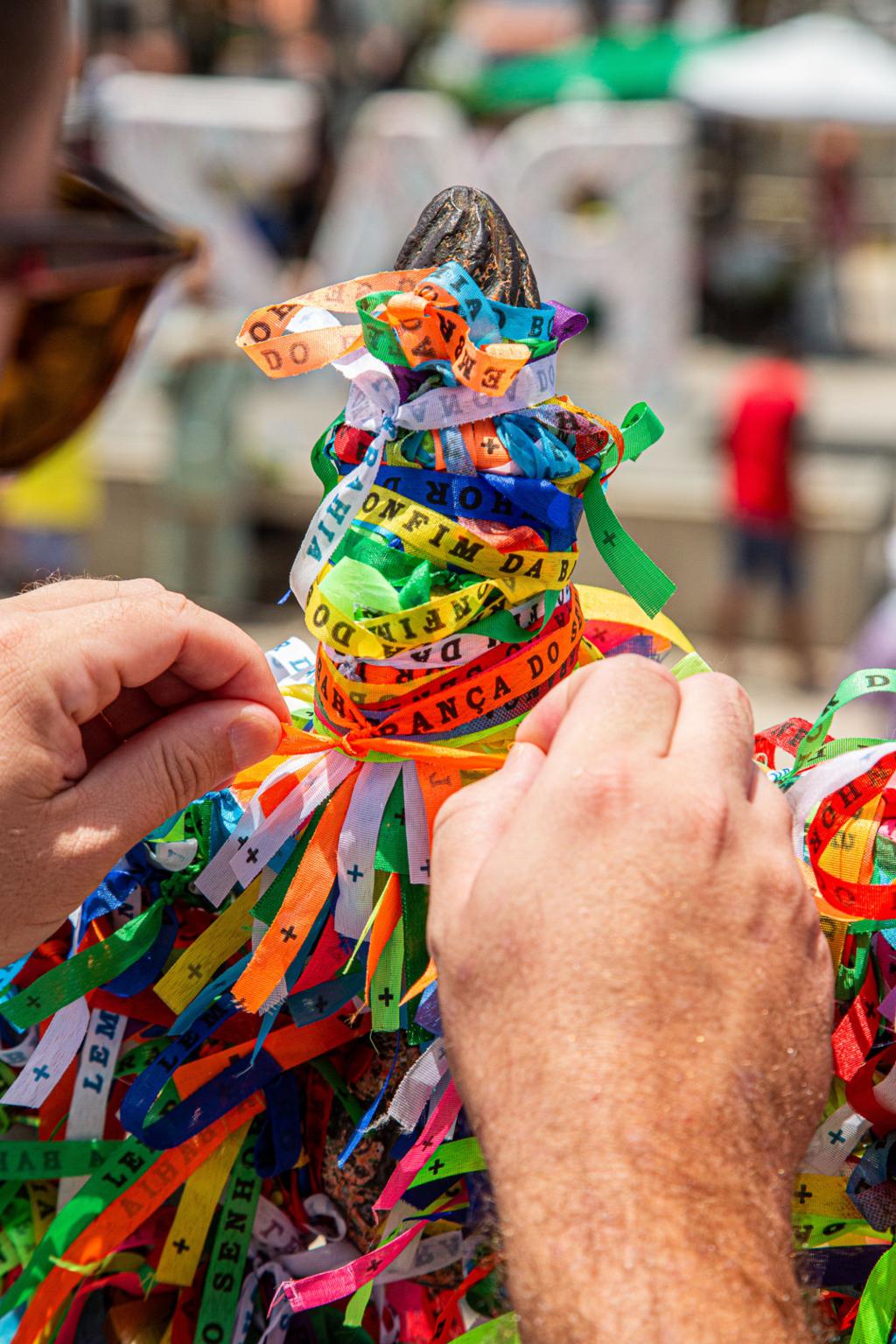
The colorful “Fitas do Bonfim” are recognized worldwide.
Key highlights:
- Tied around church gates
- Symbolize personal wishes
- Traditionally secured with three knots
- Each knot represents a prayer
- Popular cultural souvenir
Legend says wishes come true when the ribbon naturally falls off.
Exploring the Ornate Interior


Sacred Spaces Rich in Detail
Inside, visitors encounter remarkable craftsmanship.
Key highlights:
- Beautiful gilded altars
- Religious artwork
- Elegant ceilings
- Historic devotional objects
- Peaceful atmosphere
The interior reflects centuries of devotion and artistry.
Experiencing the Lavagem do Bonfim Festival


One of Bahia’s Most Beloved Traditions
This annual celebration blends faith and culture.
Key highlights:
- Held every January
- Traditional processions
- Women dressed in white attire
- Ceremonial washing of church steps
- Music and community participation
The event captures the spirit of Salvador.
Witnessing the Harmony of Faith Traditions


Where Cultures Beautifully Intersect
Bonfim symbolizes Bahia’s religious diversity.
Key highlights:
- Catholic devotion
- Afro-Brazilian influences
- Respect for multiple traditions
- Cultural coexistence
- Unique spiritual identity
This harmony distinguishes Salvador from many destinations.
Taking in the Panoramic City Views


A Scenic Reward Beyond the Sanctuary
The church’s location offers impressive vistas.
Key highlights:
- Elevated hilltop setting
- Views of Salvador
- Overlooks toward the bay
- Excellent photo opportunities
- Relaxing surroundings
The scenery enhances the overall experience.
Capturing Meaningful Travel Photographs


Images That Tell a Story
Photographers will find endless inspiration.
Key highlights:
- Colorful ribbon details
- Colonial architecture
- Spiritual moments
- Festival traditions
- Panoramic landscapes
Each image reflects Bahia’s vibrant character.
Helpful Tips Before Your Visit


Making the Most of Your Experience
A few practical tips can enhance your visit.
Key highlights:
- Visit early for quieter moments
- Dress respectfully
- Bring a camera
- Learn the ribbon tradition beforehand
- Combine with other Salvador attractions
Allow time to appreciate both the spiritual and cultural aspects.
Why Church of Bonfim Is Essential in Salvador

The Spiritual Heart of Bahia
Church of Bonfim is more than a historic church—it is a living symbol of hope, devotion, and cultural identity. From its famous wish ribbons to its centuries-old traditions, Bonfim invites visitors to connect with the soul of Salvador and experience one of Brazil’s most meaningful landmarks.
For travelers seeking authenticity, beauty, and deeper cultural understanding, the Church of Bonfim remains an unforgettable destination.