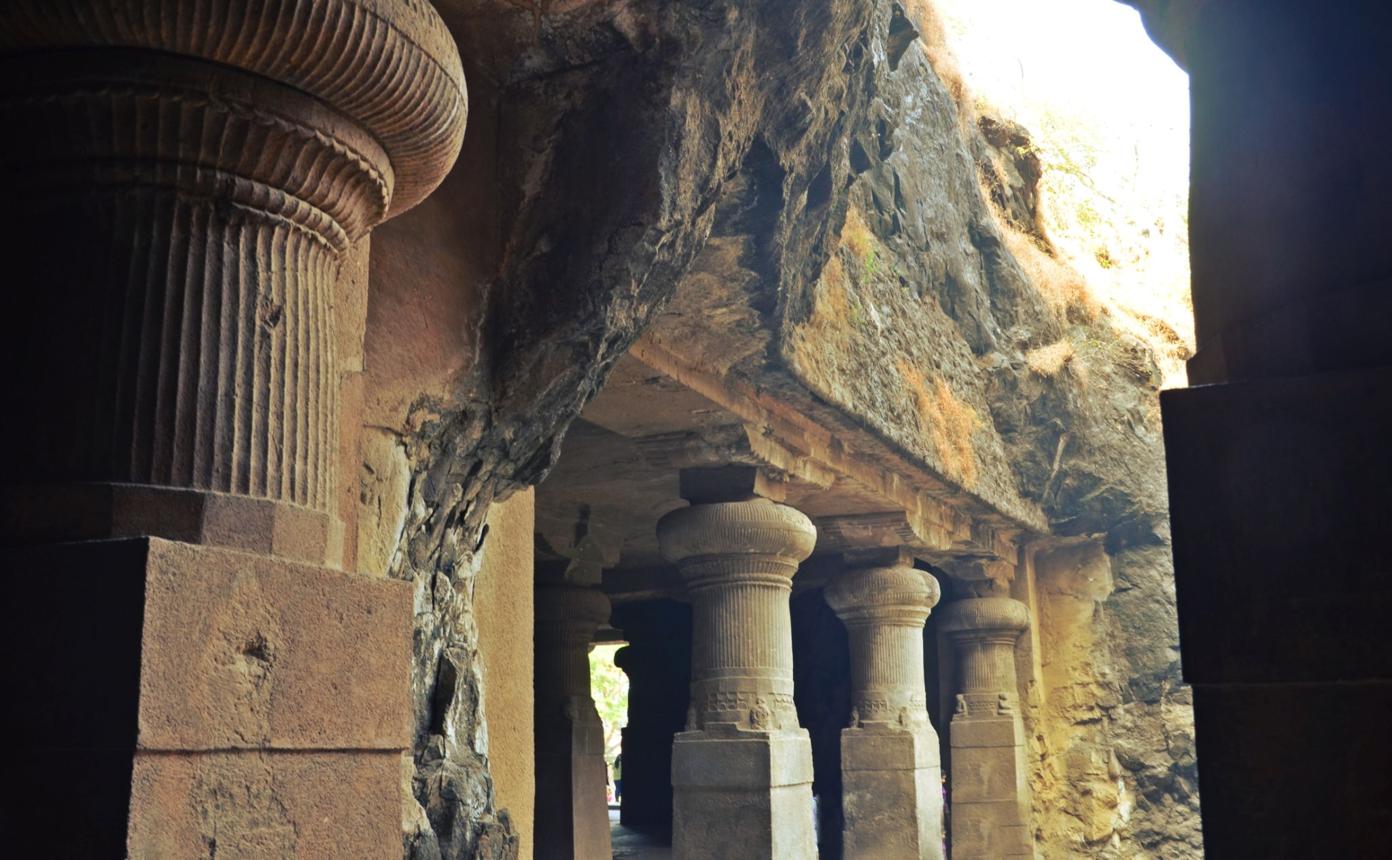
Elephanta Caves – India’s Ancient Island Temple Filled with Magnificent Rock-Cut Sculptures


Introduction
Elephanta Caves is one of India’s most extraordinary archaeological treasures, renowned for its impressive rock-cut temples, intricate sculptures, and spiritual significance. Located on Elephanta Island in Mumbai Harbour, this UNESCO World Heritage Site attracts visitors from around the world who come to admire its artistic mastery and centuries-old history.
Carved directly into solid basalt rock, the caves stand as a remarkable testament to India’s rich cultural and religious heritage.
Journeying Across Mumbai Harbour


An Adventure Before Reaching the Caves
The experience begins long before entering the caves.
Key highlights:
- Scenic ferry ride from Mumbai
- Panoramic harbour views
- Sightseeing along the coastline
- Refreshing sea breeze
- Memorable island approach
The journey itself is part of the attraction.
Uncovering a UNESCO World Heritage Treasure


A Monument Preserved Through Centuries
The caves hold immense historical value.
Key highlights:
- UNESCO World Heritage designation
- Dating between the 5th and 8th centuries
- Important Hindu religious site
- Architectural masterpiece
- Cultural landmark of India
Its significance extends far beyond Mumbai.
Admiring the Iconic Trimurti Sculpture


The Most Famous Image of Elephanta
The monumental Trimurti is the centerpiece of the caves.
Key highlights:
- Nearly 20-foot-high sculpture
- Three aspects of Lord Shiva
- Exceptional artistic detail
- Symbolic religious meaning
- One of India’s greatest carvings
It remains the site’s most celebrated masterpiece.
Exploring the Sacred Temple Chambers


Spaces Designed for Worship and Reflection
The caves served important spiritual functions.
Key highlights:
- Sacred sanctuaries
- Stone-pillared halls
- Religious shrines
- Ceremonial spaces
- Historic places of worship
Visitors can still sense the spiritual atmosphere today.
Discovering Stories Carved in Stone


Hindu Legends Brought to Life
Many sculptures depict episodes from Hindu mythology.
Key highlights:
- Shiva as Nataraja
- Marriage of Shiva and Parvati
- Ravana shaking Mount Kailash
- Divine battles and legends
- Detailed narrative panels
Each carving tells a fascinating story.
Appreciating Ancient Indian Engineering


A Remarkable Achievement in Stone
Creating the caves required extraordinary skill.
Key highlights:
- Carved from solid basalt rock
- Precision craftsmanship
- Massive structural halls
- Complex sculptural work
- Centuries of preservation
The engineering remains impressive even today.
Encountering Nature on Elephanta Island


More Than Just Ancient Caves
The island offers natural beauty as well.
Key highlights:
- Tropical vegetation
- Walking pathways
- Local wildlife
- Elevated viewpoints
- Peaceful surroundings
Nature complements the historical experience.
Capturing Extraordinary Travel Photography


Endless Opportunities for Memorable Images
Photography enthusiasts will find countless subjects.
Key highlights:
- Monumental sculptures
- Historic cave interiors
- Dramatic stone textures
- Architectural symmetry
- Harbour landscapes
Every corner reveals a new perspective.
Practical Tips for Visiting Elephanta Caves


Planning a Comfortable Visit
A little preparation improves the experience.
Key highlights:
- Visit during cooler hours
- Wear comfortable footwear
- Carry drinking water
- Allow time for ferry travel
- Respect archaeological areas
Proper planning helps maximize your visit.
Why Elephanta Caves Remain One of India’s Greatest Heritage Sites


A Timeless Monument of Art and Faith
Elephanta Caves stands as one of India’s most remarkable cultural landmarks. Combining spiritual significance, artistic brilliance, and architectural innovation, the caves provide an unforgettable glimpse into the country’s ancient past.
For travelers exploring Mumbai and beyond, Elephanta Caves offers a journey through history, mythology, and extraordinary craftsmanship.