What Are Fjord Lakes in Norway?


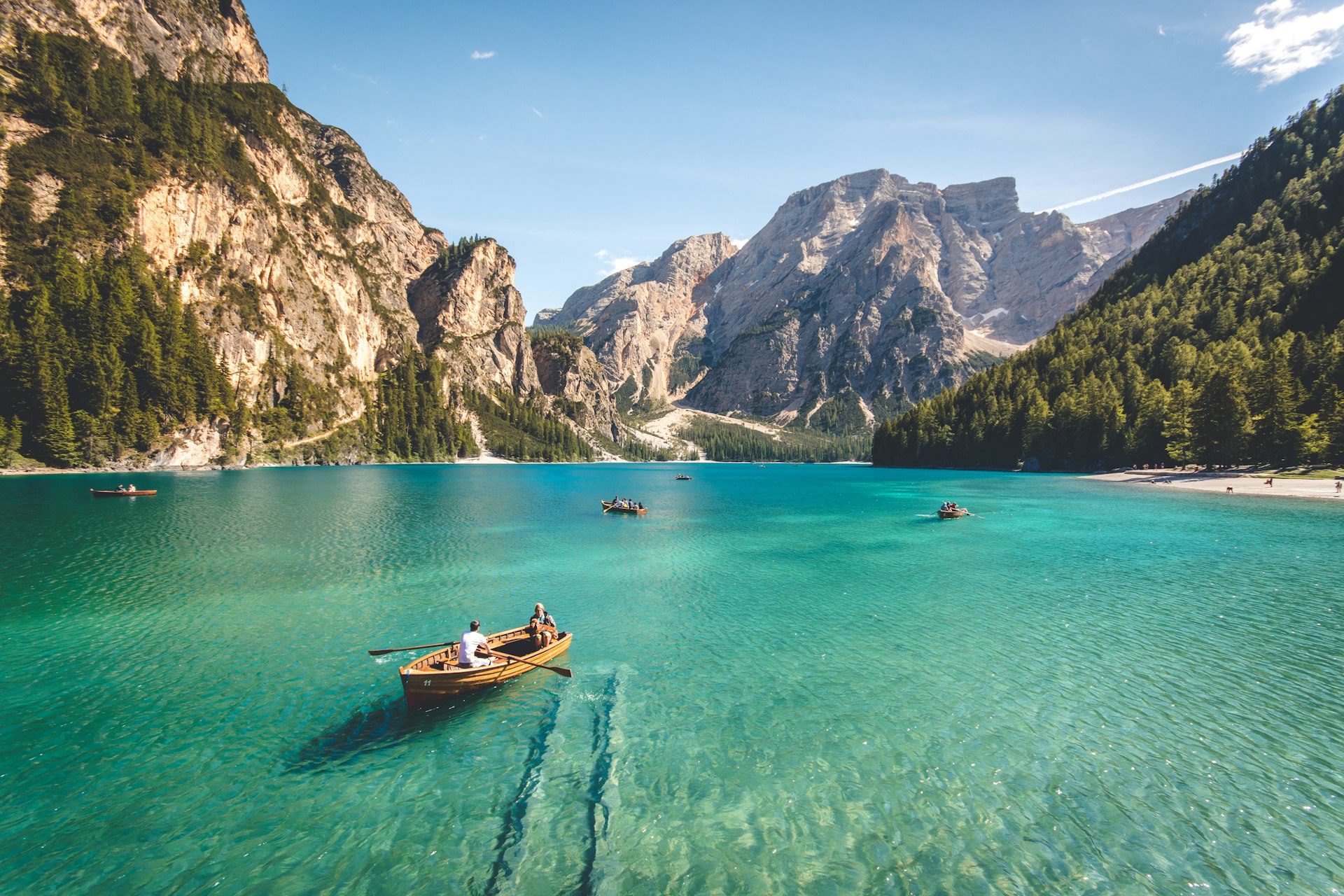
Fjord lakes (commonly referred to as fjords in Norway) are deep, narrow, and elongated bodies of water carved by glaciers over millions of years. They are surrounded by steep cliffs and dramatic mountain landscapes.
Norway is home to some of the most spectacular fjords in the world, especially along its western coastline.
These natural formations are often considered one of the most beautiful geological features on Earth.
How Fjords Are Formed


Fjords are formed through a long natural process:
- Massive glaciers move slowly through valleys
- They erode the land and carve deep U-shaped valleys
- After the Ice Age, glaciers melt
- Seawater floods the valleys, forming fjords
This process creates extremely deep and scenic waterways that often extend far inland.
Most Famous Fjords in Norway


1. Geirangerfjord – UNESCO World Heritage Site
One of the most famous fjords in the world, known for its waterfalls and dramatic cliffs.
2. Nærøyfjord – The Narrow Wonder
A very narrow fjord offering an intimate and peaceful natural experience.
3. Sognefjord – The King of Fjords
The longest and deepest fjord in Norway, stretching over 200 km inland.
4. Lysefjord – Home of Preikestolen
Famous for the iconic Preikestolen (Pulpit Rock) viewpoint.
Best Things to Do in Fjord Norway


- Take a scenic fjord cruise
- Go kayaking between cliffs
- Hike iconic viewpoints like Preikestolen
- Ride the Flåm Railway for panoramic views
Why Fjords Are So Special
Fjords are rare natural formations found in only a few countries, but Norway has the most impressive concentration.
They represent:
- Millions of years of geological history
- Pristine natural beauty
- One of the world’s top travel destinations
Conclusion
Fjord lakes in Norway are more than just landscapes – they are natural masterpieces carved by time. Whether you are a nature lover, photographer, or traveler, exploring Norway’s fjords is a once-in-a-lifetime experience.