Huaca de la Luna – Discover Peru’s Ancient Moche Temple of Mystery and Magnificent Murals


Introduction
Huaca de la Luna is one of Peru’s most fascinating archaeological treasures, offering visitors an extraordinary glimpse into the sophisticated world of the ancient Moche civilization. Located near the modern city of Trujillo, this ceremonial temple complex reveals remarkable murals, religious traditions, and architectural achievements dating back more than 1,500 years.
For history enthusiasts and cultural explorers, Huaca de la Luna provides an unforgettable journey into Peru’s pre-Inca past.
Unveiling the Legacy of the Moche Civilization


Meet One of Peru’s Greatest Ancient Cultures
The Moche flourished long before the rise of the Inca Empire.
Key highlights:
- Thrived between 100–800 AD
- Developed advanced irrigation systems
- Created exceptional ceramics
- Built monumental adobe temples
- Established complex religious practices
Their influence shaped northern Peru’s early history.
Exploring the Temple’s Monumental Architecture


Engineering Marvels Built from Earth
The temple showcases remarkable construction techniques.
Key highlights:
- Built primarily with adobe bricks
- Expanded through multiple construction phases
- Layered architectural design
- Massive ceremonial platforms
- Intricate structural planning
Its scale continues to impress modern visitors.
Admiring the Temple’s Vibrant Murals


Ancient Art Preserved Through Time
One of Huaca de la Luna’s greatest treasures is its artwork.
Key highlights:
- Brightly colored murals
- Detailed geometric designs
- Depictions of deities
- Symbolic ceremonial imagery
- Exceptional preservation
These masterpieces provide insight into Moche beliefs.
Encountering the Fearsome Ai Apaec


The Powerful Face of Moche Religion
Ai Apaec appears frequently throughout the temple.
Key highlights:
- Principal Moche deity
- Often portrayed with fangs
- Associated with sacrifice rituals
- Symbol of divine authority
- Central figure in religious life
His image reflects the spiritual complexity of Moche society.
Understanding Ancient Ceremonial Practices


A Sacred Center of Worship
The temple served important ceremonial functions.
Key highlights:
- Religious gatherings
- Ritual performances
- Offerings to deities
- Elite participation
- Community celebrations
These practices reinforced social order and belief systems.
Visiting the Site Museum


Bringing Ancient History to Life
The on-site museum enhances the experience.
Key highlights:
- Archaeological artifacts
- Moche pottery displays
- Educational exhibits
- Historical reconstructions
- Context for temple discoveries
It provides a deeper understanding of the site.
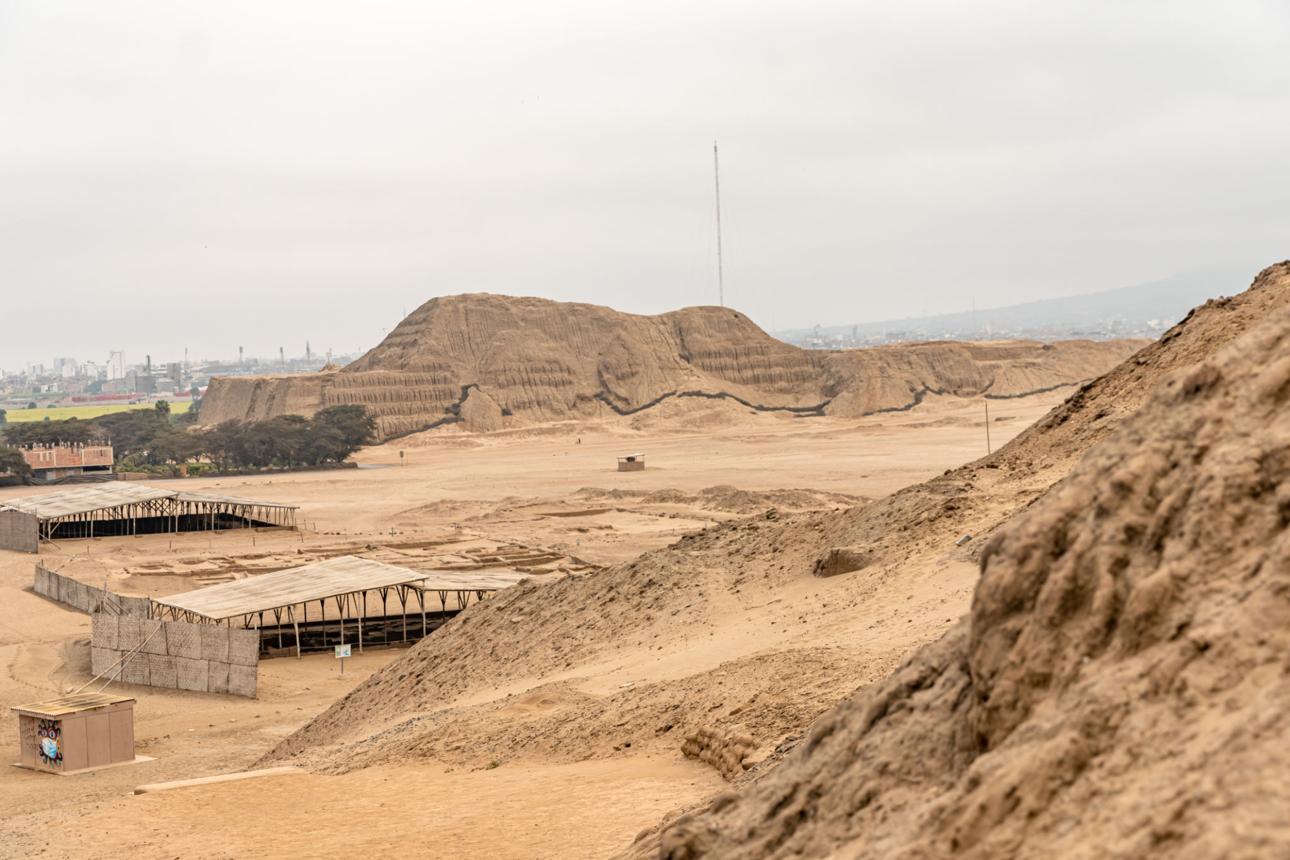
Experiencing the Desert Landscape


Where Mountains and Desert Converge
The surrounding environment adds dramatic beauty.
Key highlights:
- Views of Cerro Blanco
- Arid coastal scenery
- Historic Moche Valley
- Contrasting natural landscapes
- Unique photographic opportunities
The setting enhances the site’s mystique.
Capturing Extraordinary Photographs


A Dream Destination for History Photographers
Every corner tells a visual story.
Key highlights:
- Ancient textures and patterns
- Murals rich in detail
- Dramatic adobe structures
- Wide landscape compositions
- Golden-hour lighting
Photographers will find endless inspiration.
Helpful Tips Before You Visit


Make the Most of Your Archaeological Adventure
Preparation ensures a comfortable experience.
Key highlights:
- Wear lightweight clothing
- Bring sun protection
- Carry water
- Consider guided tours
- Allow time for the museum visit
A thoughtful itinerary enriches your journey.
Why Huaca de la Luna Deserves a Place on Your Peru Itinerary

Discover Peru Beyond the Inca Empire
Huaca de la Luna offers a remarkable opportunity to explore one of South America’s most sophisticated pre-Inca civilizations. Through its colorful murals, monumental architecture, and enduring mysteries, the temple preserves the story of a people whose artistic and spiritual achievements continue to fascinate the world.
For travelers seeking deeper cultural experiences, Huaca de la Luna stands among Peru’s most rewarding archaeological destinations.