Imperial Palace Tokyo – Historic Heart of Japan’s Imperial Legacy


Introduction
Imperial Palace is one of the most important historical landmarks in Japan. Located in the center of Tokyo, the palace serves as the official residence of Japan’s Imperial Family and stands on the former grounds of Edo Castle, once home to the Tokugawa shogunate.
Surrounded by moats, stone walls, and beautiful gardens, the Imperial Palace offers visitors a rare blend of history, culture, and natural beauty in the heart of a modern metropolis.
A Site Shaped by Centuries of Japanese History


From Edo Castle to Imperial Residence
The land occupied by Imperial Palace has played a central role in Japanese history for hundreds of years.
Key highlights:
- Former location of Edo Castle
- Political center during the Tokugawa era
- Imperial residence since the nineteenth century
- Symbol of national heritage
- One of Tokyo’s most significant historic sites
Its history mirrors the transformation of Japan from feudal rule to a modern nation.
Magnificent Moats and Defensive Stone Walls


Architectural Features That Endure
One of the most striking aspects of Imperial Palace is its impressive defensive design.
Key highlights:
- Massive stone fortifications
- Historic moat systems
- Scenic waterfront views
- Preserved castle remains
- Outstanding examples of Japanese engineering
These structures continue to define the palace landscape today.
Nijubashi Bridge and Iconic Palace Views


The Most Recognizable Landmark
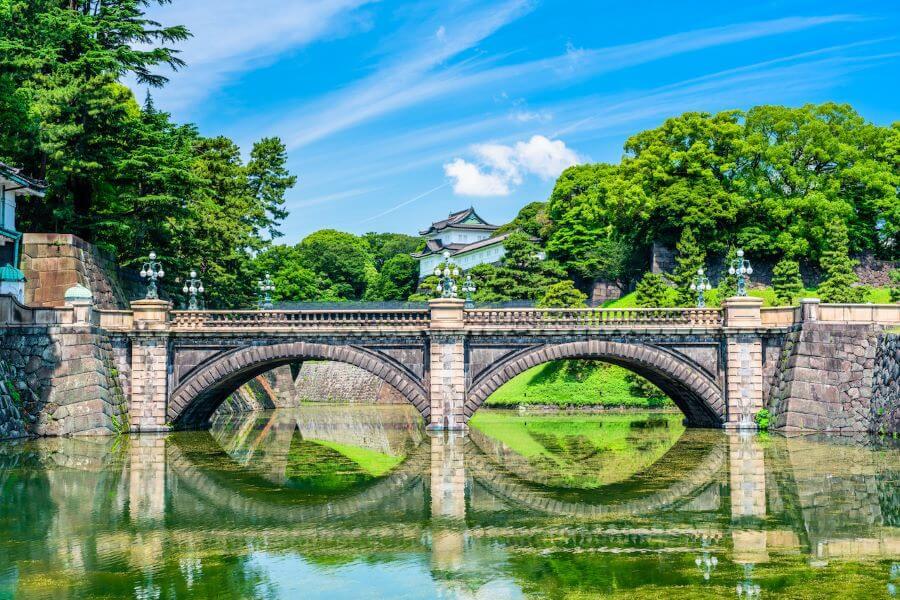
The famous Nijubashi Bridge is one of the most photographed locations around the palace grounds.
Key highlights:
- Elegant historic bridge design
- Symbolic entrance area
- Popular sightseeing location
- Beautiful reflection photography
- Iconic image of Tokyo heritage
The bridge has become closely associated with the identity of the Imperial Palace.
East Gardens Open to the Public


Exploring the Accessible Palace Grounds
The East Gardens of Imperial Palace East Gardens allow visitors to experience part of the former castle grounds.
Key highlights:
- Landscaped walking paths
- Historical ruins and foundations
- Seasonal flower displays
- Quiet green spaces
- Educational cultural experience
The gardens provide a peaceful escape from Tokyo’s busy streets.
Seasonal Beauty Throughout the Year


Nature Enhances the Historic Setting
Every season brings a new atmosphere to Imperial Palace.
Key highlights:
- Cherry blossoms in spring
- Lush greenery during summer
- Colorful autumn foliage
- Scenic winter landscapes
- Year-round photography opportunities
The changing scenery makes every visit unique.
A Green Oasis Within Central Tokyo


Tranquility Amid the Capital
Despite being surrounded by skyscrapers and government buildings, Imperial Palace maintains a calm and serene environment.
Key highlights:
- Expansive green landscapes
- Quiet walking routes
- Scenic views of nature and city contrasts
- Relaxing atmosphere
- Popular destination for locals and visitors alike
The palace grounds offer one of the most peaceful settings in central Tokyo.
Cultural Significance in Modern Japan


A Symbol of National Identity
Imperial Palace continues to serve an important role in contemporary Japan.
Key highlights:
- Official residence of the Imperial Family
- Venue for ceremonial events
- National cultural symbol
- Important historic institution
- Connection between tradition and modernity
Its presence remains deeply woven into Japan’s cultural landscape.
Why the Imperial Palace Is a Must-Visit Tokyo Landmark


Discover the Historic Core of the Capital
Imperial Palace offers visitors a unique opportunity to explore Japan’s imperial heritage while enjoying beautiful gardens, historic architecture, and tranquil scenery. As one of Tokyo’s most important cultural landmarks, it remains an essential stop for travelers seeking a deeper understanding of Japan’s history.