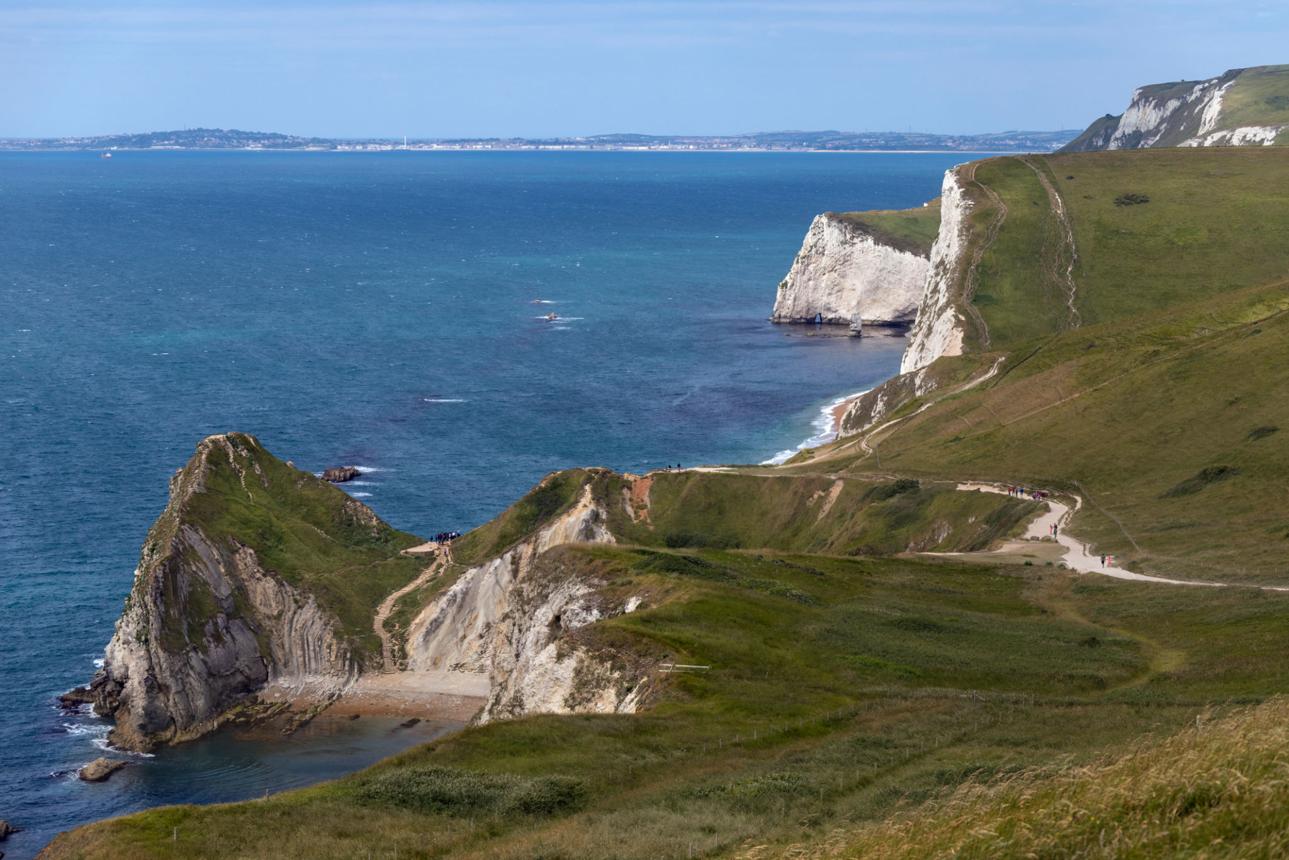
Jurassic Coast Travel Guide – Journey Through 185 Million Years of Earth’s Greatest Coastal Story


Jurassic Coast is one of England’s most extraordinary natural wonders, stretching along the southern coastline of Dorset and East Devon. Recognized as a UNESCO World Heritage Site, this breathtaking coastline reveals nearly 185 million years of Earth’s history through dramatic cliffs, fossil-rich beaches, and iconic rock formations.
For travelers seeking natural beauty, geological marvels, and unforgettable coastal adventures, the Jurassic Coast is unlike anywhere else in the United Kingdom.
Walking Along a Coastline Older Than Dinosaurs


The Jurassic Coast is often described as an open-air history book carved by nature.
Visitors can witness:
- Ancient rock layers
- Fossil-bearing cliffs
- Coastal erosion formations
- Millions of years of geological history
- UNESCO-protected landscapes
Every section of the coastline tells a different chapter of Earth’s evolution.
Durdle Door: England’s Most Photographed Sea Arch


The iconic Durdle Door is one of Britain’s most recognizable natural landmarks.
Visitors come to admire:
- A spectacular limestone arch
- Crystal-clear waters
- Coastal hiking routes
- Stunning sunrise and sunset views
It remains a highlight of any Jurassic Coast itinerary.
Hunting for Fossils Along Ancient Shores


The Jurassic Coast is world-famous for fossil discoveries.
Popular fossil-hunting locations include:
- Lyme Regis
- Charmouth Beach
- Seatown Beach
Visitors may uncover:
- Ammonites
- Marine fossils
- Ancient shells
- Prehistoric remains
It’s one of the best fossil-hunting destinations in Europe.
The Seaside Town That Changed Paleontology Forever


The charming town of Lyme Regis played a major role in the development of modern paleontology.
The town is closely associated with Mary Anning, whose groundbreaking fossil discoveries transformed scientific understanding of prehistoric life.
Today, visitors can explore:
- Fossil museums
- Historic harbor areas
- Coastal walking trails
- Traditional seaside attractions
Where Towering Chalk Cliffs Meet the Sea


At the eastern end of the coastline stand the dramatic Old Harry Rocks.
These striking chalk formations feature:
- Towering sea stacks
- Spectacular viewpoints
- Coastal wildlife
- Scenic walking paths
They are among the most photographed landscapes on England’s south coast.
Hidden Beaches and Secret Coves Await


Beyond its famous landmarks, the Jurassic Coast hides countless secluded gems.
Must-see locations include:
- Lulworth Cove
- Man O’ War Beach
- Kimmeridge Bay
- Ringstead Bay
These spots offer some of the coastline’s most spectacular scenery.
A Coastal Paradise for Hikers and Photographers


Outdoor enthusiasts will find endless opportunities along the coast.
Activities include:
- Cliff-top hiking
- Landscape photography
- Wildlife watching
- Beach exploration
- Coastal adventures
The famous South West Coast Path provides access to many of the region’s most scenic locations.
Watching Nature Sculpt the Landscape


The Jurassic Coast is constantly evolving.
Natural forces continue to create:
- New cliffs
- Sea arches
- Rock stacks
- Coastal formations
Visitors can witness geological processes actively shaping the landscape.
Why the Jurassic Coast Is England’s Greatest Natural Classroom


Jurassic Coast offers a rare combination of breathtaking scenery, scientific importance, and outdoor adventure. From fossil-rich beaches and dramatic sea arches to ancient cliffs and picturesque coastal towns, it provides one of the most remarkable travel experiences in England.


