Kinkaku-ji – The Famous Golden Temple of Kyoto
Among the many breathtaking temples in Kyoto, Kinkaku-ji stands out as one of the most beautiful and recognizable landmarks in Japan. Also known as the “Golden Pavilion,” this Zen Buddhist temple attracts millions of visitors every year with its shimmering gold-covered exterior, peaceful gardens, and mirror-like pond reflections.
Whether you are visiting Kyoto for the first time or returning to explore more of Japan’s cultural treasures, Kinkaku-ji is a destination that deserves a place on every travel itinerary.
The History of Kinkaku-ji
Kinkaku-ji was originally built in 1397 as a retirement villa for shogun Ashikaga Yoshimitsu. After his death, the villa was transformed into a Zen temple according to his wishes.
Over the centuries, the temple experienced wars, fires, and reconstructions. The current structure dates back to 1955 after the original pavilion was destroyed in 1950. Despite being rebuilt, the temple still preserves its historical beauty and traditional Japanese architectural style.
Today, Kinkaku-ji is recognized as a UNESCO World Heritage Site and remains one of Kyoto’s most visited cultural attractions.
Why Is Kinkaku-ji Called the Golden Pavilion?


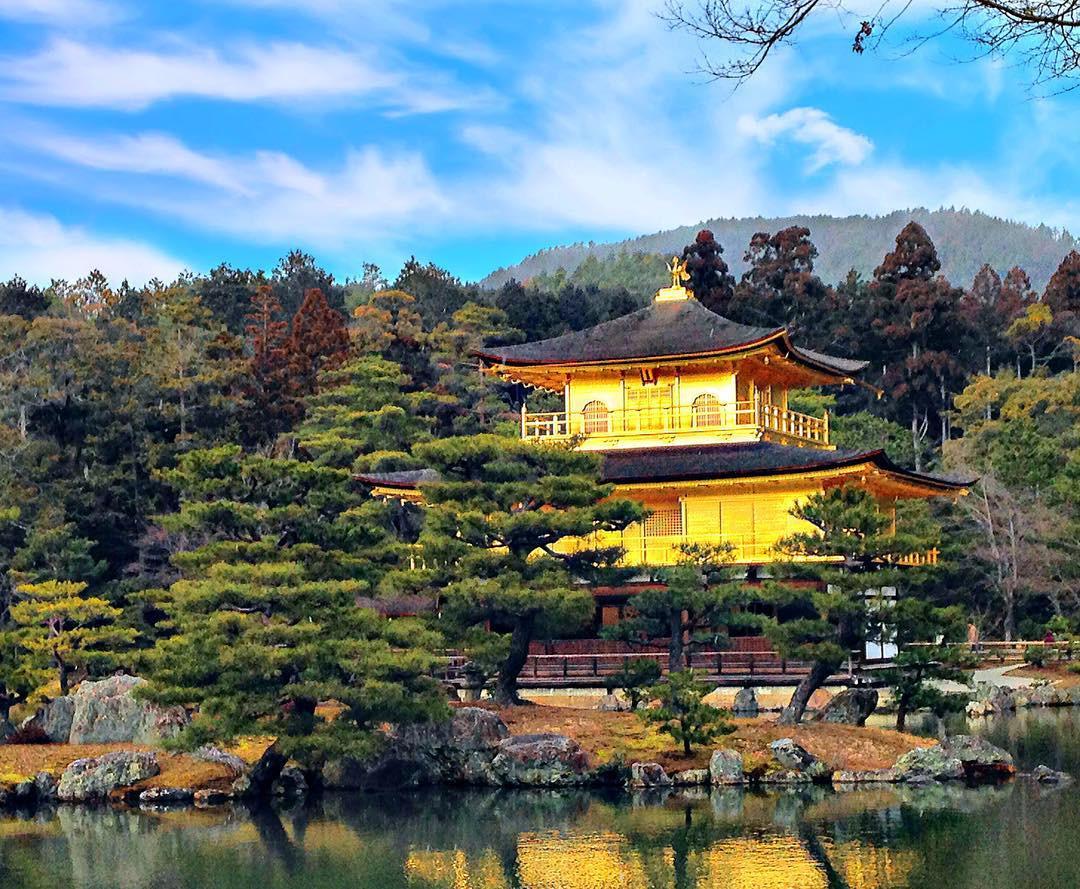
The temple earned the nickname “Golden Pavilion” because its top two floors are completely covered in gold leaf. When sunlight hits the building, it creates a brilliant reflection on the surrounding pond, making the scenery look almost magical.
Each floor of the pavilion represents a different architectural style:
- The first floor follows the Shinden palace style
- The second floor reflects samurai residence design
- The third floor represents Zen Buddhist architecture
At the top of the building sits a golden phoenix statue symbolizing rebirth and harmony.
The Beautiful Gardens Around Kinkaku-ji
The temple complex is surrounded by traditional Japanese gardens designed to create peace and balance with nature.
Visitors can enjoy:
- Calm walking paths
- Small islands and stone bridges
- Traditional pine trees
- Scenic pond reflections
- Seasonal flowers and maple leaves
The surrounding pond, known as Kyoko-chi or “Mirror Pond,” is one of the best photography spots in Kyoto because it perfectly reflects the golden temple on calm days.
Best Seasons to Visit Kinkaku-ji


Spring
Cherry blossoms create a soft and colorful atmosphere around the temple.
Summer
The gardens become vibrant green and full of life.
Autumn
Red and orange maple leaves make the Golden Pavilion even more stunning.
Winter
Snow covering the golden roof creates one of the most iconic views in Japan.
Every season offers a completely different but equally beautiful experience.
Things to Do at Kinkaku-ji
Explore the Temple Grounds
Walk through peaceful pathways and admire traditional Japanese landscaping.
Take Stunning Photos
The reflection of the Golden Pavilion on the pond is a must-capture moment.
Enjoy Traditional Matcha
Nearby tea shops offer authentic Japanese matcha and sweets.
Buy Japanese Souvenirs
Visitors can purchase lucky charms, postcards, and temple amulets.
Photography Tips for Kinkaku-ji


To get the best photos:
- Visit early in the morning to avoid crowds
- Use the pond reflection as the main composition
- Capture the temple during autumn or winter
- Try different angles along the walking path
- Bring a zoom lens for architectural details
Kinkaku-ji is considered one of the most photogenic places in all of Japan.
How to Get to Kinkaku-ji
Kinkaku-ji is located in northern Kyoto and can be reached easily from the city center.
By Bus
Kyoto City Bus routes connect directly to the temple area.
By Taxi
A convenient option for travelers with limited time.
By Train and Bus
Visitors can combine train and bus transportation from Kyoto Station.
Why Kinkaku-ji Is One of Kyoto’s Must-Visit Attractions
The beauty of Kinkaku-ji goes far beyond its golden appearance. The temple represents centuries of Japanese history, Zen philosophy, and artistic perfection.
Its peaceful gardens, reflective pond, and shimmering architecture create an unforgettable atmosphere that captures the spirit of Kyoto.
For travelers exploring Japan, visiting Kinkaku-ji is not simply sightseeing — it is an experience of traditional Japanese culture and timeless beauty.