Manjanggul Cave – Jeju’s Ancient Lava Tunnel of Underground Mysteries, Volcanic Formations, and UNESCO Geological Wonder


Introduction
Manjanggul Cave is one of the longest lava tubes in the world, located on Jeju Island. Formed by ancient volcanic activity, this underground cave reveals dramatic geological structures shaped over thousands of years.
It is part of the UNESCO World Natural Heritage list and a must-visit destination for geology and nature lovers.
A Lava Tube Born from Ancient Volcanic Power


A Natural Tunnel Carved by Lava Flow
Manjanggul Cave was formed when molten lava flowed underground and later solidified.
Key highlights:
- One of the longest lava tubes in the world
- Formed by basaltic lava flows
- Natural underground tunnel system
- UNESCO World Natural Heritage site
- Geological record of Jeju’s volcanic past
It is a rare glimpse into Earth’s volcanic processes.
The Famous Lava Column Inside the Cave


One of the World’s Largest Lava Columns
Manjanggul Cave contains a globally famous lava column.
Key features:
- Approximately 7.6 meters tall lava column
- Formed by dripping molten lava
- Rare geological structure
- Highlight of the cave tour
- Protected scientific landmark
It is one of the cave’s most impressive formations.
Underground Atmosphere and Natural Lighting


A Journey Through Earth’s Interior
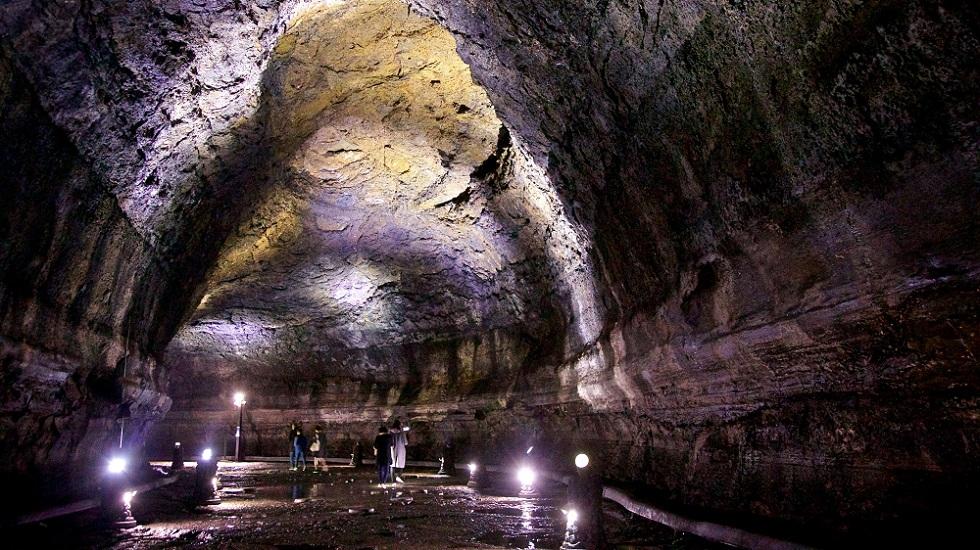
Manjanggul Cave offers a controlled walking path inside the lava tube.
Key highlights:
- 1 km accessible walking section
- Low-light natural cave environment
- Cool underground temperature
- Smooth safe pathways
- Echoing natural acoustics
It feels like walking inside ancient Earth.
Unique Rock Textures and Lava Formations

Nature’s Artistic Underground Sculpture
Manjanggul Cave showcases complex lava formations.
Key features:
- Flowing lava textures on walls
- Layered basalt structures
- Natural erosion patterns
- Cooling lava formations
- Scientific geological importance
Each surface tells a volcanic story.
Wildlife Inside the Lava Tunnel


A Hidden Subterranean Ecosystem
Manjanggul Cave is home to unique cave life.
Key aspects:
- Bat populations in dark zones
- Insects adapted to cave life
- Stable underground ecosystem
- Protected ecological environment
- Scientific research site
It is a fragile and valuable habitat.
Educational and Scientific Importance


A Natural Classroom of Volcanology
Manjanggul Cave is widely studied by geologists.
Key highlights:
- Educational signage along path
- Research on volcanic activity
- UNESCO conservation efforts
- School and tourist learning site
- Geological documentation center
It helps explain Jeju’s volcanic origin.
Why Manjanggul Cave Is Jeju’s Underground Wonder


A Perfect Window Into Jeju’s Volcanic Heart
Manjanggul Cave stands as one of the world’s most remarkable lava tunnels, combining geological history, underground mystery, and scientific value into a truly unforgettable natural experience.