Source: media.cntraveler.com
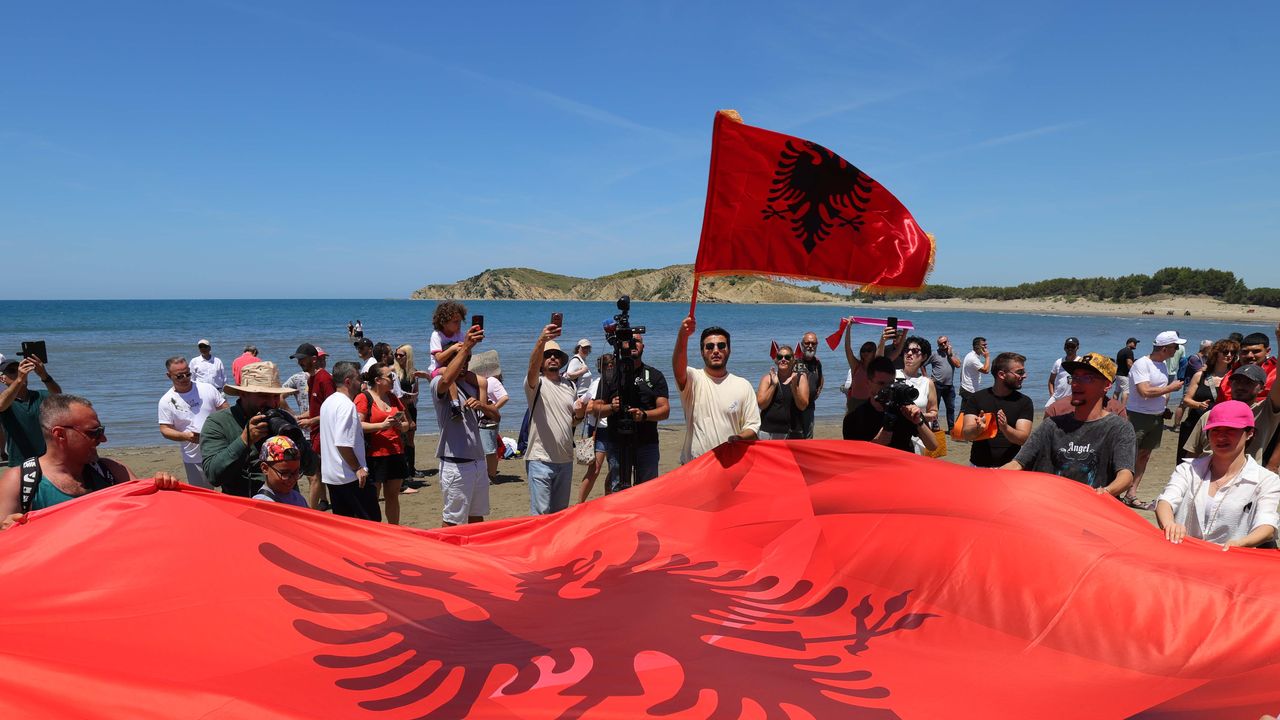
Albania, a small country in the Balkans, has been at the forefront of a growing movement against unchecked luxury tourism and corruption. The protests, which began in May, have been sparked by the government’s decision to grant foreign-backed investors special exemptions to develop luxury resorts in environmentally protected areas. The most recent incident involved the construction of a $4 billion luxury tourism development project on Sazan Island, which has been met with fierce resistance from local residents and environmental activists.
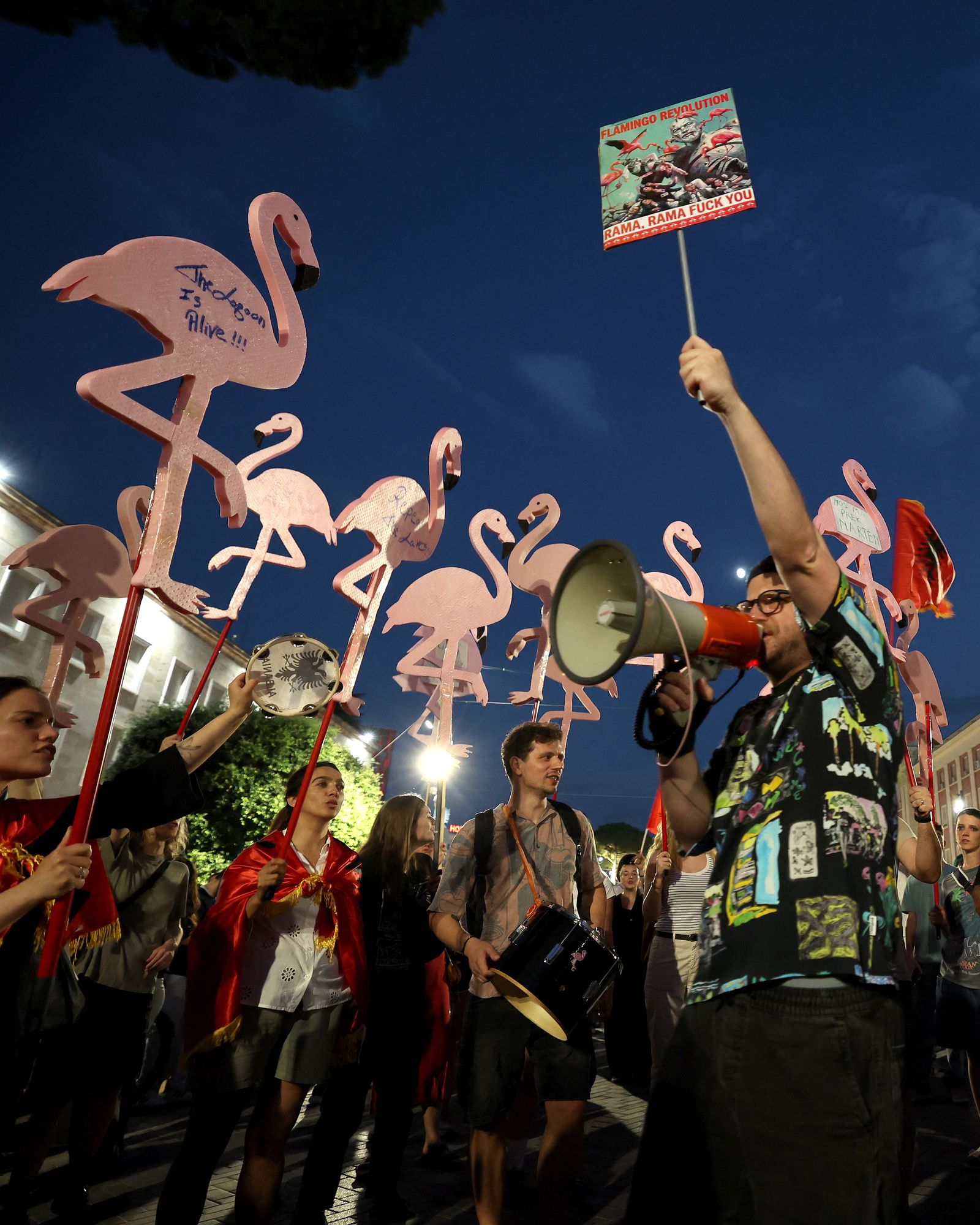
The protests, which have been dubbed the ‘Flamingo Revolution,’ have been peaceful and widespread, with demonstrators gathering in front of the Prime Minister’s office in Tirana and holding nightly demonstrations in the capital city. The protesters are not against tourism or development per se, but rather against the lack of transparency and accountability in the government’s decision-making process.
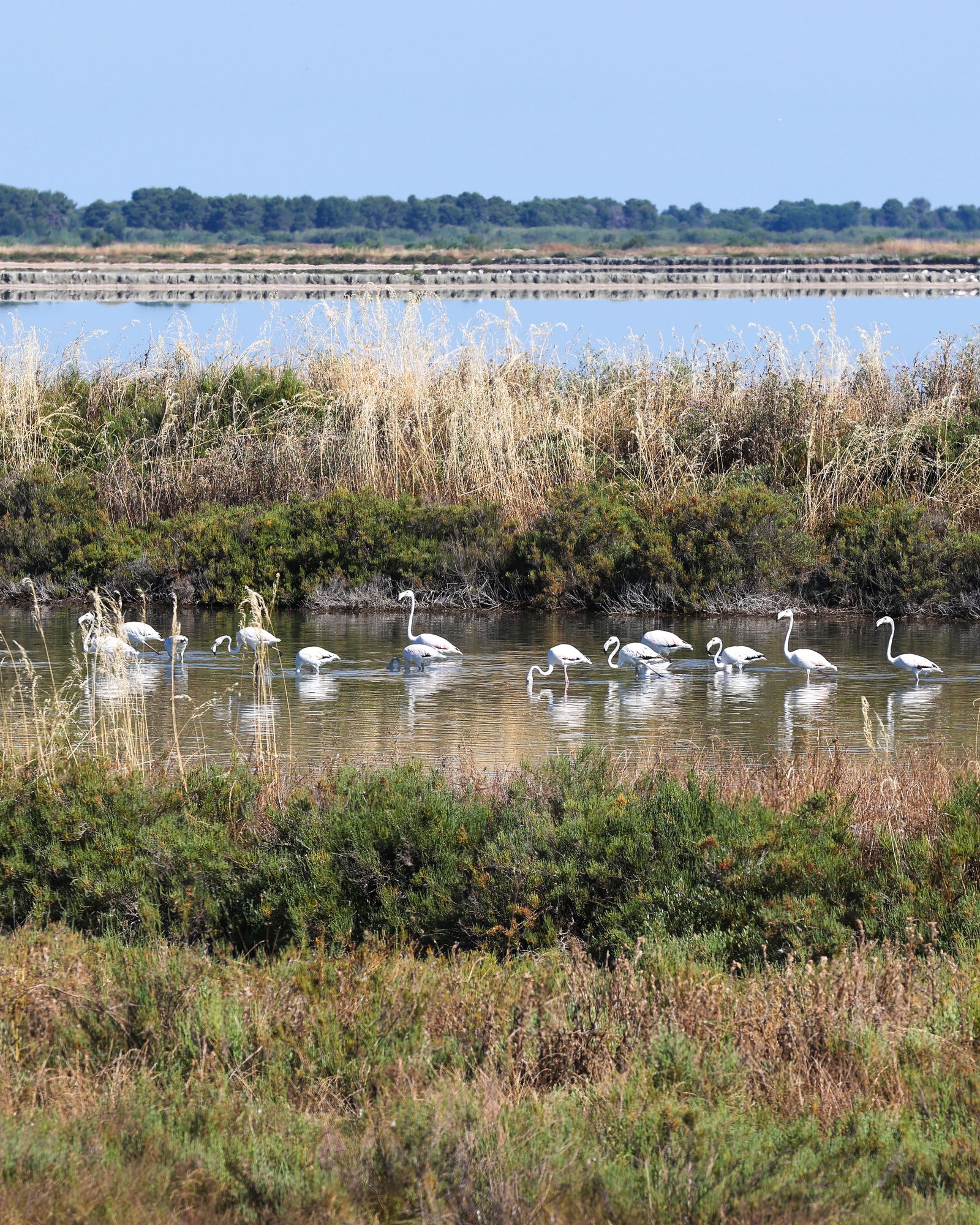
Albania has a complex and tumultuous history, having spent 45 years isolated from the rest of the world under a communist dictatorship. In the 1990s, the country suffered extreme poverty and violent civil unrest, and it remains one of the poorest countries in Europe. However, Albania is also rich in natural beauty, with pristine sandy beaches, crystal-clear waters, and sky-kissing peaks.
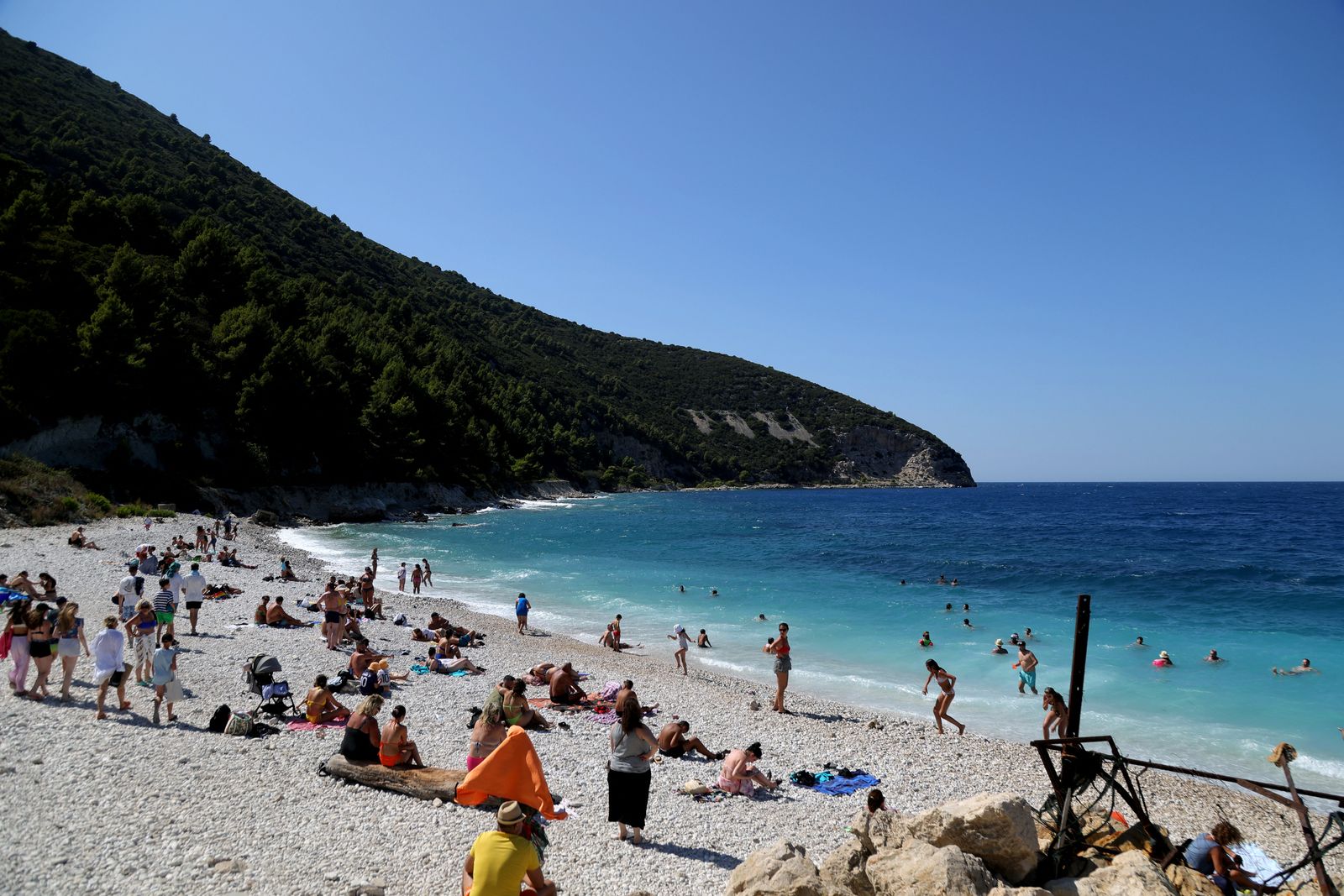
The country has seen a surge in tourism in recent years, with the number of foreign visitors more than doubling in the last five years and tripling in the last ten. However, this growth has come at a cost, with many locals feeling that the benefits of tourism are not being shared equally.
The sale of Albania’s natural beauty to foreign investors has been a major point of contention for the protesters. The Sazan Island incident was particularly egregious, as the government granted a group of investors, including Jared Kushner, a former advisor to President Trump, a special exemption to develop the island without conducting an environmental impact assessment.
The protesters argue that this type of deal-making is typical of the government’s approach to tourism development, and that it has led to the destruction of Albania’s natural beauty and the displacement of local communities.
The protests have been a uniting force for Albanians, who are tired of the government’s corruption and lack of transparency. The protesters are not just fighting for the environment, but also for the rights of local communities to determine their own future.
As one protester, Linda Alia, founder of Albanian Food Tours, said, ‘We want people to come and invest in our economy, but we want it to be done in a way that benefits Albanians, not just foreign investors.’
The protests have also highlighted the need for greater accountability and transparency in the government’s decision-making process. As Ardit Fiska, manager of Restaurant Roshniku, said, ‘The thing that would help us is infrastructure, not just more hotels and resorts.’
The protests have also highlighted the need for tourism development to be done in a way that benefits local communities. As Fiska said, ‘Every year we are adding new rooms, and the village people here, they are turning their houses into guesthouses. We hope not to grow so much, to stay like this, growing slowly.’
The protests have been a wake-up call for the government, and for tourists, to think about the impact of their actions on local communities. As one protester said, ‘Albania is not for sale.’
As the protests continue, it remains to be seen whether the government will listen to the demands of the people and implement reforms to ensure that tourism development benefits Albanians, not just foreign investors.
Online Assistant