European Court Criticizes Turkey’s Judiciary Over Philanthropist Osman Kavala’s Imprisonment
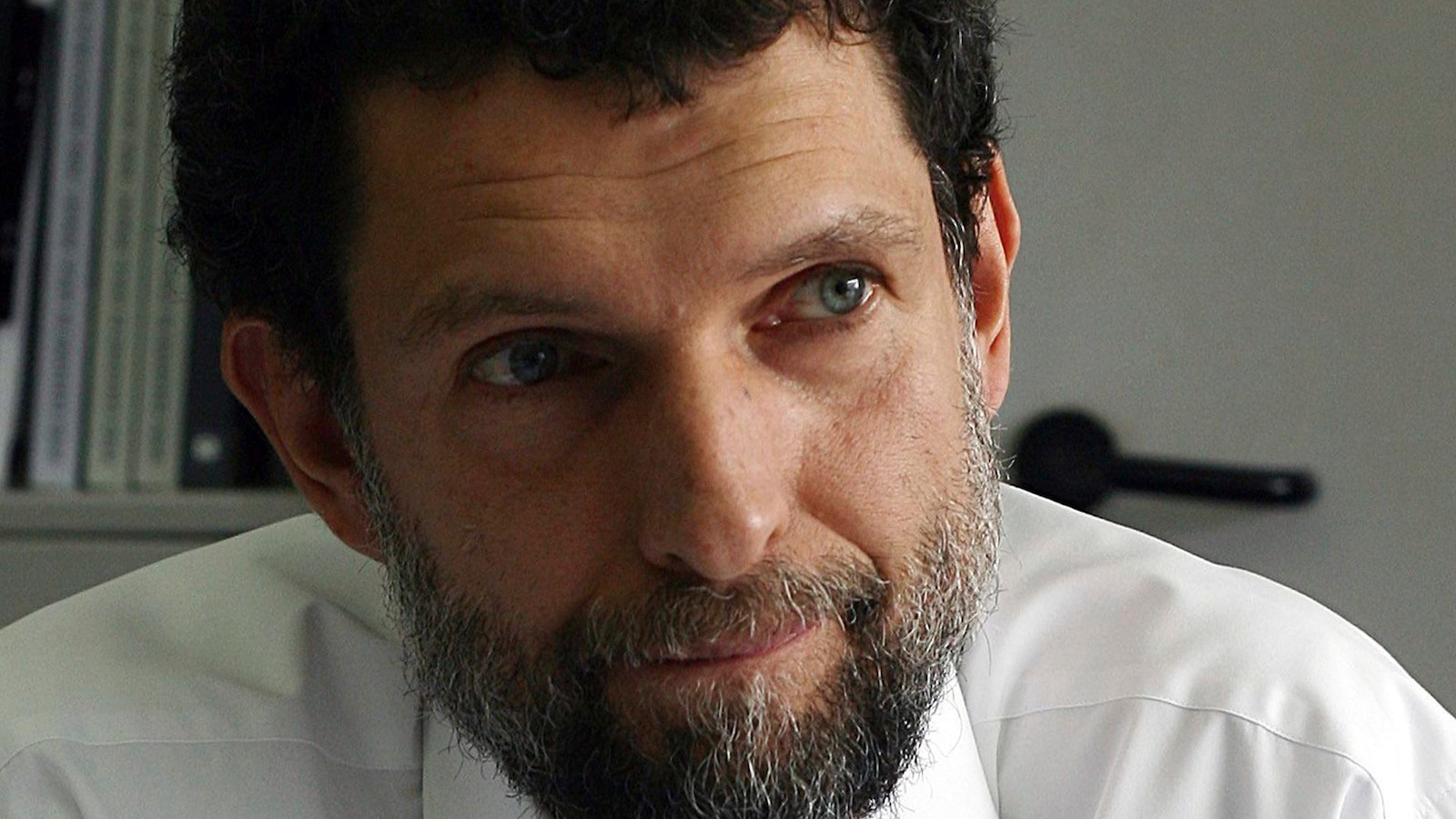
Turkey’s Judiciary Under Fire for Imprisoning Prominent Philanthropist
The European Court of Human Rights has issued a scathing criticism of Turkey’s judiciary, highlighting a systemic problem in the country’s justice system. The court’s decision comes in the wake of the imprisonment of prominent philanthropist Osman Kavala, who has been behind bars since 2017 on charges linked to the 2013 protests and the 2016 coup attempt.
Kavala, 68, is the founder of a nonprofit organization promoting peace and dialogue. He was sentenced to life in prison without parole in 2022, a decision that has sparked widespread condemnation from human rights advocates and opposition groups.
The European Court of Human Rights has reiterated its call for Kavala’s release, stating that his conviction should be regarded as null and void. The court has also highlighted several violations of Kavala’s fundamental rights, including the right to a fair trial and the right to liberty and security of person.
The court’s criticism of Turkey’s judiciary is not new. Human rights advocates and opposition groups have long accused President Recep Tayyip Erdogan’s government of weaponizing the judiciary to target critics and rivals. The court’s decision has reignited calls for reform in Turkey’s justice system, with many arguing that the country’s judiciary is not independent and impartial.
Turkey’s government has maintained that the justice system is impartial and independent. However, the European Court of Human Rights has highlighted structural shortcomings in the judiciary that have facilitated the exertion of direct or indirect influence by the executive branch on certain judicial decisions.
Kavala’s case has led to a diplomatic crisis in 2021, when Erdogan threatened to declare 10 foreign ambassadors, including the U.S., French, and German representatives in Ankara, persona non grata after they called for Kavala’s release. The case has also sparked widespread condemnation from the international community, with many calling for Kavala’s immediate release.
The European Court of Human Rights has emphasized that Kavala’s case is not an isolated incident, but rather a symptom of a broader problem in Turkey’s justice system. The court has called for reforms to ensure that the judiciary is independent and impartial, and that the rights of individuals are protected.
In a statement, the European Court of Human Rights said: ‘The violations also revealed structural shortcomings which affected the guarantees of independence and impartiality of the judiciary, and which were likely to facilitate the exerting of direct or indirect influence by the executive branch on certain judicial decisions, particularly in cases with a sensitive political dimension.’
Kavala was first detained in 2017 on accusations that he financed protests four years earlier that attempted to overthrow the government. He was acquitted in 2020, but was swiftly rearrested on charges linking him to Turkey’s 2016 coup attempt. His acquittal was overturned and the case was merged with that relating to the coup attempt. He was sentenced to life in prison without parole in April 2022.
The case has led to widespread condemnation from human rights advocates and opposition groups, who argue that Kavala’s imprisonment is a clear example of the Turkish government’s attempts to silence critics and rivals.
Reiterating a call for Kavala’s release, the European Court of Human Rights has emphasized that his conviction should be regarded as null and void. The court has also highlighted several violations of Kavala’s fundamental rights, including the right to a fair trial and the right to liberty and security of person.
The court’s criticism of Turkey’s judiciary has sparked widespread debate in the country, with many arguing that the justice system needs to be reformed to ensure that the rights of individuals are protected. The European Court of Human Rights has emphasized that the case of Osman Kavala is not an isolated incident, but rather a symptom of a broader problem in Turkey’s justice system.