Source: engadget.com
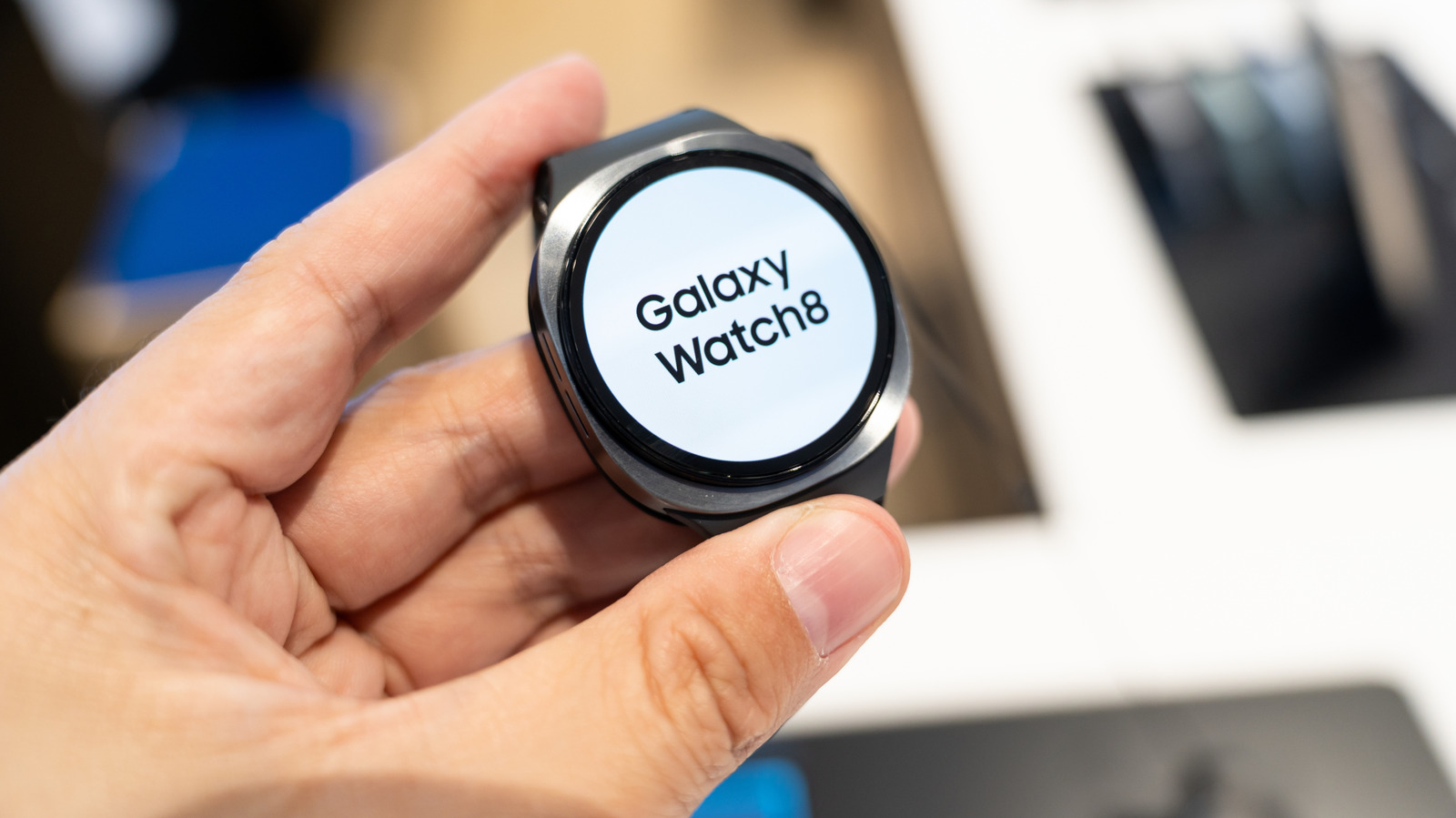
Wearable technology has evolved significantly over the years, and Samsung’s Galaxy Watch 8 is no exception. In addition to tracking heart rate, sleep, and workouts, this latest smartwatch can now measure your antioxidant levels, providing valuable insights into your overall health.
At the heart of this innovative feature is the Antioxidant Index, which uses a simple thumb scan to estimate carotenoids in your skin. Carotenoids are pigments with antioxidant properties found in yellow, orange, and green fruits and vegetables, which can build up in your skin over time.

But how does it work? The Galaxy Watch 8’s BioActive Sensor uses multi-wavelength absorption spectroscopy to analyze how different wavelengths of light are absorbed and reflected by the skin. This involves illuminating your skin with yellow, blue, purple, and green LED light, which helps the sensor estimate the concentration of carotenoids in your skin.
The sensor’s ability to minimize interference from melanin and hemoglobin is crucial in providing accurate readings. By using finger skin, the sensor reduces melanin interference, while the pressure from your thumb temporarily restricts blood flow, minimizing interference from hemoglobin.
But how accurate is the Galaxy Watch 8’s Antioxidant Index? Samsung has validated its sensor against Raman spectroscopy, a lab technique used to measure skin carotenoids, and compared readings with blood tests, food logs, and clinical data from several hundred participants. A 2023 randomized controlled trial involving Samsung researchers also found a strong correlation between reflection spectroscopy and Raman spectroscopy when measuring skin carotenoids.
However, it’s essential to note that Samsung has not published a simple consumer-facing accuracy percentage or margin of error for the Galaxy Watch 8 feature. The Antioxidant Index is not intended to diagnose or treat medical conditions, but rather to provide a health trend to monitor.
But what can you expect from the Antioxidant Index? Engadget’s review of the Galaxy Watch 8 found that the score can be stubborn, with one user’s score dropping by two points after a deliberate dietary change. Subsequent readings ranged from 56 to 60, highlighting the importance of consistency in tracking your antioxidant levels.
It’s also worth noting that Samsung’s current US comparison chart lists the Antioxidant Index feature for the Galaxy Watch 8, Watch 8 Classic, and Galaxy Watch Ultra, but not the Galaxy Watch 7. The company hasn’t specified why the Watch 7 misses out, but it’s likely due to the time it takes for carotenoids from food to build up in the skin to detectable levels, which can take two to three weeks.
Online Assistant