Source: engadget.com
When it comes to IMAX, many people are confused between the terms ‘Shot with IMAX’ and ‘Filmed for IMAX.’ While they might sound similar, these two labels describe distinct aspects of the IMAX production process.
When a movie is ‘Shot with IMAX,’ it means that at least some parts of the film were captured using IMAX’s large-format film cameras. These cameras use a 15-perf 65mm format, which allows for the creation of a large, tall 1.43:1 image.
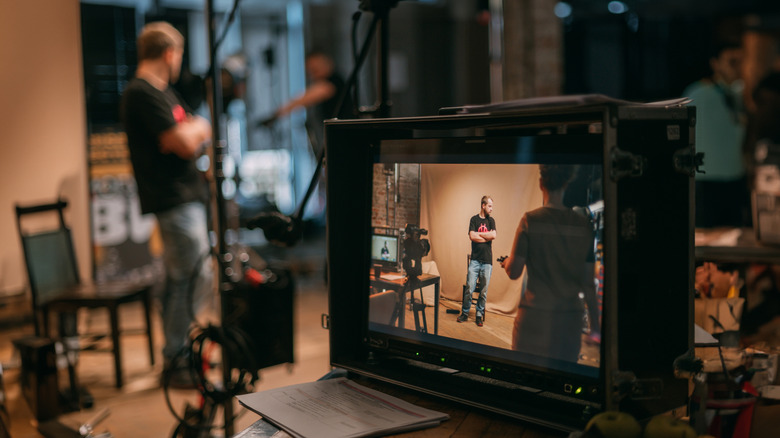
The 65mm film runs horizontally through the camera, with each frame spanning 15 perforations across the film. This results in the distinctive IMAX image associated with 65mm film. The camera film is 65mm, while theatrical release prints are 70mm, which is why those screenings are advertised as IMAX 70mm.
On the other hand, ‘Filmed for IMAX’ is a broader production program that begins in pre-production. Filmmakers choose either IMAX film cameras or IMAX-certified digital cameras, and during production, they shoot with IMAX’s taller 1.90:1 or 1.43:1 aspect ratios in mind.
IMAX’s post-production team then works with the filmmakers to optimize the movie for its theaters. This program allows for a more flexible approach to production, as filmmakers can choose to shoot with IMAX film cameras or digital cameras, depending on their needs.
In 2020, IMAX launched a certification program for digital cinema cameras from manufacturers including ARRI, Panavision, RED, and Sony. These cameras are not built by IMAX but are digital cinema cameras approved for use in the ‘Filmed for IMAX’ workflow.
For example, Denis Villeneuve’s 2021 film ‘Dune’ was captured using IMAX-certified digital cameras, but composed for IMAX presentation. In select theaters, parts of ‘Dune’ expanded to 1.43:1, showing more of the image above and below than the wider theatrical presentation.
Other ‘Filmed for IMAX’ releases show how much the presentation can vary. ‘F1: The Movie’ was shot with IMAX-certified digital cameras and presented entirely in the 1.90:1 aspect ratio. ‘Mission: Impossible: The Final Reckoning’ also used certified cameras, but only certain sequences expanded to 1.90:1 for over 45 minutes.
So what’s the difference between ‘Shot with IMAX’ and ‘Filmed for IMAX’? While ‘Shot with IMAX’ specifically refers to the use of IMAX film cameras, ‘Filmed for IMAX’ is a broader production program that allows for more flexibility in terms of camera choice and production workflow.
In other words, ‘Shot with IMAX’ is a more specific label that indicates the use of IMAX film cameras, while ‘Filmed for IMAX’ is a more general label that encompasses a range of production approaches.
When it comes to IMAX, the label alone doesn’t tell you which screening is better. The format used to capture the movie is only part of what determines the experience in the theater. What matters next is how the movie is presented at that particular location.
Not every IMAX theater can show the full 1.43:1 image. IMAX 70mm theaters can project that taller frame from film, while some IMAX with Laser auditoriums can also support 1.43:1. Other IMAX presentations may use the wider 1.90:1 presentation instead.
That means two theaters showing the same ‘Filmed for IMAX’ movie can offer noticeably different presentations. A movie may contain 1.43:1 footage, for example, but you won’t necessarily see the full frame unless the auditorium is equipped to display it.
So if a movie has an expanded IMAX presentation, check the individual screening rather than relying on the badge alone. The bottom line is that you should look for IMAX 70mm or confirmation that the IMAX with Laser auditorium supports 1.43:1 before buying your ticket.
Online Assistant


