Knee Osteoarthritis Isn’t Inevitable: What You Can Do
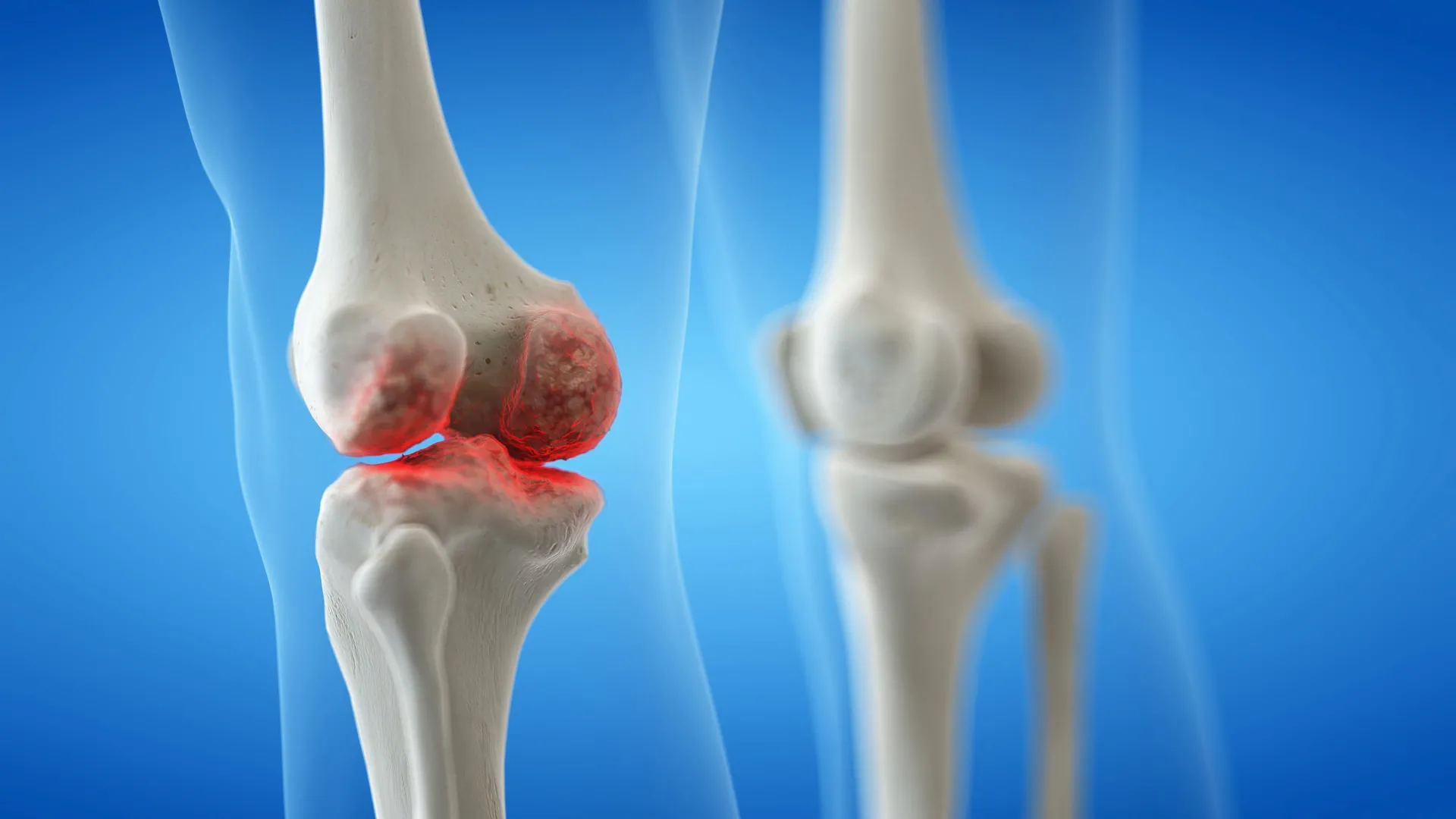
Knee pain is a common problem that affects millions of people worldwide, particularly as they age. While persistent knee discomfort can have various causes, osteoarthritis is one of the most prevalent. In this article, we’ll explore what knee osteoarthritis is, its effects, and most importantly, what you can do to prevent or manage it.
What is Knee Osteoarthritis?
Knee osteoarthritis develops when the cartilage that cushions the bones in the joint gradually breaks down. Cartilage serves as a protective layer, allowing the knee to move smoothly while safeguarding the bones. As this layer becomes thinner, pain and other problems can arise, potentially worsening over time.
According to Dr. Abby Cheng, an orthopedic surgeon at Washington University School of Medicine in St. Louis, who specializes in physiatry, the nonsurgical treatment and rehabilitation of conditions such as arthritis, osteoarthritis can cause knee pain and stiffness, negatively impacting a person’s activity level, risk of falling, mood, and general quality of life.
The Effects of Knee Osteoarthritis
The effects of osteoarthritis can extend far beyond pain in the joint. Difficulty moving can result in missed work and lost income, discouraging people from being physically active, which may increase their risk of chronic conditions, including heart disease, cancer, and diabetes. Osteoarthritis is extremely common, affecting more than 30 million adults in the U.S., with the knee being the joint most frequently affected.
Although osteoarthritis is often associated with older age, roughly half of cases occur among people who are still of working age. Dr. Cheng emphasizes that having weak leg muscles and being overweight or obese increases a person’s risk for knee osteoarthritis, as do women, older adults, people with a prior knee injury, and those with a family history of osteoarthritis.
Lifestyle Changes Can Help Ease Knee Pain
People who already have osteoarthritis have several options for managing pain and mobility problems. Healthy habits, along with medical treatments when needed, may also help slow the condition from getting worse. Dr. Cheng notes that eating more plants and less processed or sugary food reduces inflammation in the body, which can reduce pain from osteoarthritis in all joints.
Other common treatments for knee osteoarthritis include strengthening the thigh muscles, using knee braces, taking anti-inflammatory medications, getting cortisone and other injections, and sometimes having knee replacement surgery. Healthcare providers can work with patients to develop individualized strategies for managing osteoarthritis, connecting people with programs and other resources that can make it easier to begin healthy changes and maintain them over time.
Small Improvements Can Have a Surprisingly Large Effect
Dr. Cheng notes that small improvements can have a surprisingly large effect. For a person who is overweight, losing 10 pounds can reduce the stress placed on the knees by 40 pounds with every step. That reduction in pressure can significantly ease joint pain. Regular physical activity, maintaining a healthy weight, and a healthy eating pattern rich in whole grains, fruits, and vegetables, while limiting processed and refined foods, can support overall health and may help protect against osteoarthritis.
Family History Does Not Determine Your Future
Osteoarthritis differs from diseases such as cancer and heart disease, but its effects on health, well-being, and quality of life can still be substantial. Millions of people live with the condition, yet there are practical steps individuals can take to reduce their own risk and potentially help protect the health of their families. Dr. Cheng emphasizes that some people think that because a parent or grandparent had osteoarthritis, they will develop it too, but it doesn’t mean there’s nothing a person can do to successfully lower their risk of developing it.


