Resurrecting the Forgotten Legacy of Ghanaian Keyboardist Kiki Gyan
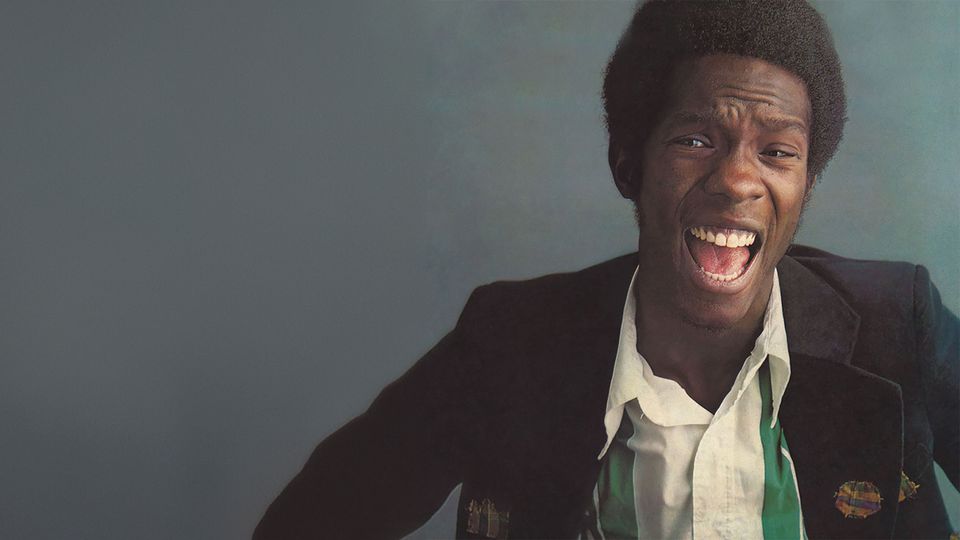
Documenting the Unseen Side of Musical Brilliance
Music is a universal language that has the power to evoke emotions, bring people together, and transcend borders. However, behind the melodies and harmonies lies a complex web of stories, memories, and legacies that are often overlooked or distorted. This is the case of Kiki Gyan, a Ghanaian keyboardist who rose to international fame as a teenager with Afro-rock pioneers Osibisa, only to be reduced to a singular narrative of addiction and demise.
Director Aseye Fiagbe, a Ghanaian filmmaker, is determined to change this narrative with her documentary project, Too Much Music. Through archival material and testimonies from family and collaborators, Fiagbe reconstructs the forces that shaped Gyan’s journey and asks fundamental questions about who controls artists’ narratives and what is lost when brilliance is reframed as failure.
From Brilliance to Obscurity
Kiki Gyan’s story is a testament to the complexities of fame and the power of memory. As a teenager, he was part of Osibisa, one of the most influential Afro-rock bands of the 1970s. However, as his musical contributions expanded without recognition, tensions around credit and ownership led him to leave the band and pursue a solo career across London, Lagos, and New York. Gyan’s music, a fusion of African rhythms and disco-funk, shaped the sound of a generation, yet his life became reduced to a simplistic narrative of addiction and demise.
The Director’s Vision
Fiagbe’s documentary project is not about rescuing Gyan or forcing his life into a neat redemption arc. Rather, it seeks to hold brilliance, failure, joy, exploitation, vulnerability, and legacy in the same frame. For Fiagbe, Gyan’s story is about memory and erasure, about who gets remembered for their work and who is remembered only for how they fell.
Themes and Universality
The themes of Too Much Music are universal and resonate beyond the context of African music history. The questions it asks are fundamental to understanding the complexities of fame, the power of memory, and the impact of our choices on others. Who gets credit for creative work? How do we treat people when they fall from the pedestal we put them on? And who gets to decide what remains of someone after they are gone? These are questions that transcend borders, cultures, and generations.
The Next Step
Fiagbe’s project has received a significant boost from the Locarno Film Festival’s Open Doors program, which provides grants and support to emerging filmmakers from equity-seeking communities and regions where artistic expression is at risk. With the Open Doors Grant, Fiagbe is able to continue the development work, including writing, research, and archival research. The project is now focused on building the international production structure around the film and finding the right co-production relationships.
Conclusion
Resurrecting the forgotten legacy of Kiki Gyan is a crucial step in documenting our cultural history with care. By exploring the complexities of fame, memory, and legacy, Too Much Music offers a nuanced and thought-provoking portrait of a remarkable artist and a testament to the power of music to transcend borders and generations.


