Scientists Discover How Gut Bacteria ‘Train’ the Intestine to Fight Inflammation
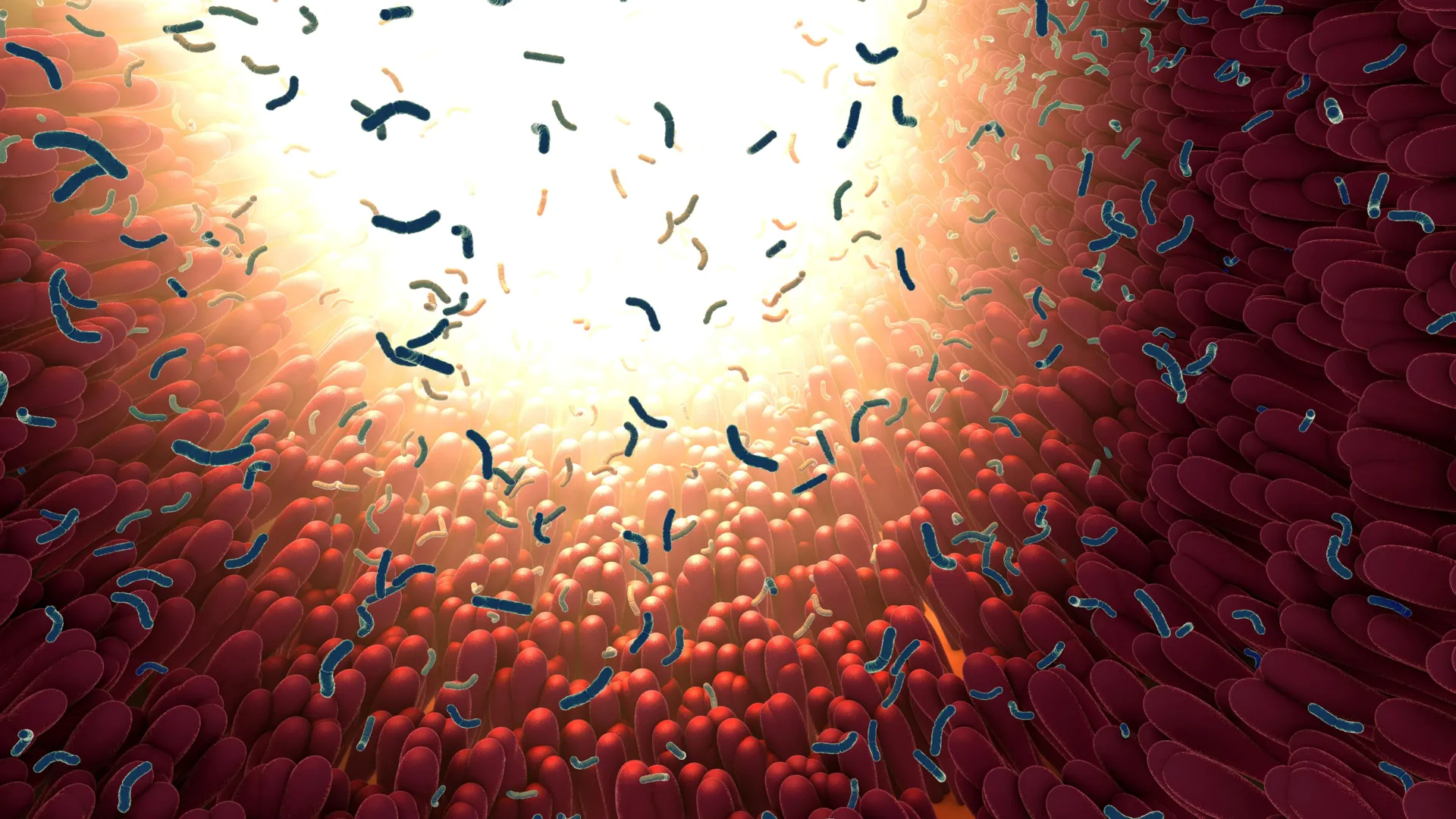
Groundbreaking Research Uncovers the Mechanism Behind Gut Bacteria’s Immune-Regulating Effects
A new study published in Nature Communications reveals that a substance produced by gut bacteria when digesting dietary fiber leaves a lasting molecular mark on cells lining the intestine. This imprint promotes immune tolerance and may help protect against inflammatory bowel disease-like conditions, even after exposure to the metabolite has ended.
The Research Team’s Key Findings
Researchers from Northwestern Medicine, led by Yingzi Cong, PhD, and Tianming Yu, PhD, conducted a series of experiments to investigate how gut bacteria influence the intestinal lining. They found that a substance called butyrate, produced by gut bacteria during the fermentation of dietary fiber, acts on intestinal epithelial cells (IECs) to induce sustained immunoregulatory responses.
The team discovered that butyrate treatment induces a lasting immune-regulating environment in the intestine, characterized by increased IL-10 production in CD4+ T-cells and protection from intestinal inflammation even after butyrate treatment is stopped. This effect was also observed in germ-free mice, suggesting that butyrate can establish a lasting intestinal environment that does not depend on continuous microbial stimulation.
The Role of Intestinal Epithelial Cells
The researchers found that intestinal epithelial cells (IECs) play a crucial role in the immune-regulating effects of butyrate. Exposure to butyrate caused a strong increase in IL-10 production in both mouse and human T-cells. The team further discovered that conditioned medium from butyrate-treated IECs strongly induced IL-10-producing CD4+ T-cells in both mouse and human T-cell culture systems.
Using metabolomic analysis, the researchers identified a likely candidate molecule responsible for the immune-regulating activity generated by epithelial cells exposed to butyrate. They found that N1-acetylspermidine increased IL-10 production in T-cells and accounted for part of the immune-regulating activity.
Implications for Inflammatory Bowel Disease
The study’s findings have significant implications for understanding the relationship between diet, gut microbiota, and the intestinal lining. The researchers suggest that beneficial microbial metabolites may ‘train’ the IECs to maintain immune tolerance over time, providing a new direction for restoring intestinal immune tolerance in inflammatory bowel disease.
The study’s lead author, Tianming Yu, PhD, noted that more research is needed to confirm the findings and determine whether the same mechanism operates in humans. The team plans to investigate other metabolites that may contribute to the effect and explore the potential therapeutic applications of this discovery.