Source: techcrunch.com

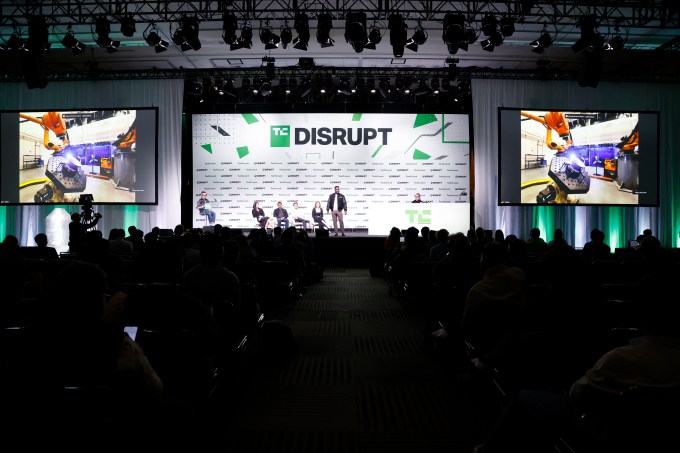
At TechCrunch Disrupt 2026, a panel of industry leaders gathered on the Real World AI Stage to address a pressing question: how do you certify that an artificial intelligence system is safe enough to operate when lives, missions, or billions of dollars are on the line?
Shield AI’s chief technology officer Nathan Michael, Waabi founder and CEO Raquel Urtasun, and General Motors’ Director of Robotics Strategy Mikell Taylor each brought deep expertise from defense, autonomous driving, and industrial robotics to the discussion. The conversation spanned safety culture, rigorous testing and validation, regulatory navigation, and the human factors that determine trust in autonomous systems.

Nathan Michael oversees Hivemind, Shield AI’s platform‑agnostic mission autonomy software. His background includes AI, control, perception, and multi‑robot systems, highlighted by his tenure directing the Resilient Intelligent Systems Lab at Carnegie Mellon University’s Robotics Institute. Michael explained that Hivemind is already being put to the test in some of AI’s most demanding environments. In February 2026, the U.S. Air Force selected Hivemind as an autonomy provider for its Collaborative Combat Aircraft drone prototype program. A month later, Shield AI announced a $1.5 billion Series G funding round that valued the company at $12.7 billion post‑money. Michael stressed that developing autonomy for high‑stakes settings requires not only performance breakthroughs but also rigorous assurance processes that can withstand real‑world scrutiny.
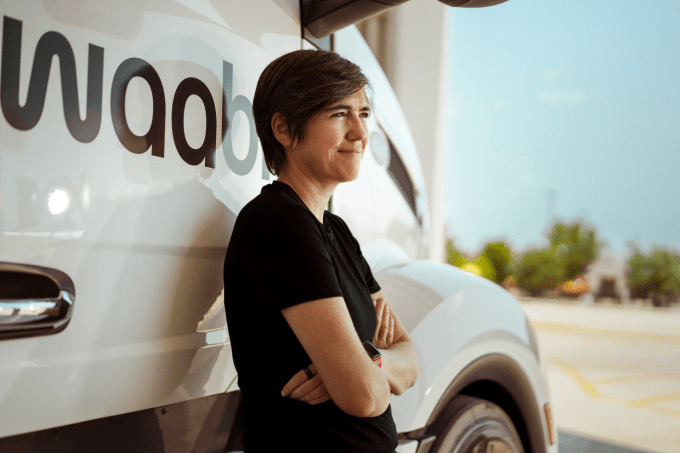
Raquel Urtasun, who has spent a quarter‑century in AI and autonomous vehicles, described Waabi’s path toward deploying driverless trucks at scale. Before founding Waabi, she was chief scientist and head of R&D at Uber ATG, a professor at the University of Toronto, co‑founder of the Vector Institute for AI, and author of more than 200 AI papers. In January 2026, Waabi closed a $1 billion funding round and announced a partnership with Uber to support the rollout of 25,000 or more Waabi Driver‑powered robotaxis. Central to Waabi’s methodology is the Waabi World simulator, which trains, tests, and stress‑tests the Waabi Driver in a virtual world. Urtasun noted that while simulation provides invaluable data, the autonomous trucks still need full validation before they can operate without a human safety driver, directly addressing the session’s core question of readiness.
Mikell Taylor, who leads robotics strategy for General Motors’ Autonomous Robotics Center, shared insights from more than two decades of building robots that work alongside people. Prior to GM, she headed the Amazon Robotics team that created Proteus, the company’s first autonomous mobile robot. Taylor’s career began with a whimsical project—a robotic senior prom date—and has since spanned autonomous underwater vehicles, industrial robotic systems, and designs that prioritize practicality, reliability, and safe human interaction. At Disrupt, she emphasized that user experience and adoption must be baked into product design from the outset. When AI‑powered machines leave controlled demos and enter workplaces where employees depend on them, trust hinges on how well the technology anticipates and responds to human needs.
The panel converged on several themes: establishing a safety culture that treats failure as unacceptable, investing in exhaustive testing regimes that combine simulation, hardware‑in‑the‑loop, and real‑world trials, navigating evolving regulatory frameworks, and earning public and operator trust through transparency and demonstrable reliability. Whether the platform is a combat drone, an autonomous truck, or a factory robot, the speakers agreed that “almost ready” is insufficient when the consequences of error are real. The session, part of over 200 offerings across six industry stages at TechCrunch Disrupt 2026 (October 13–15 at Moscone West, San Francisco), underscored the growing importance of rigorous validation as AI moves from the lab into the physical world.
Online Assistant


