TechCrunch Mobility: California’s New Law Seeks to Rein In Robotaxis Before 2028
California’s New Robotaxi Regulation
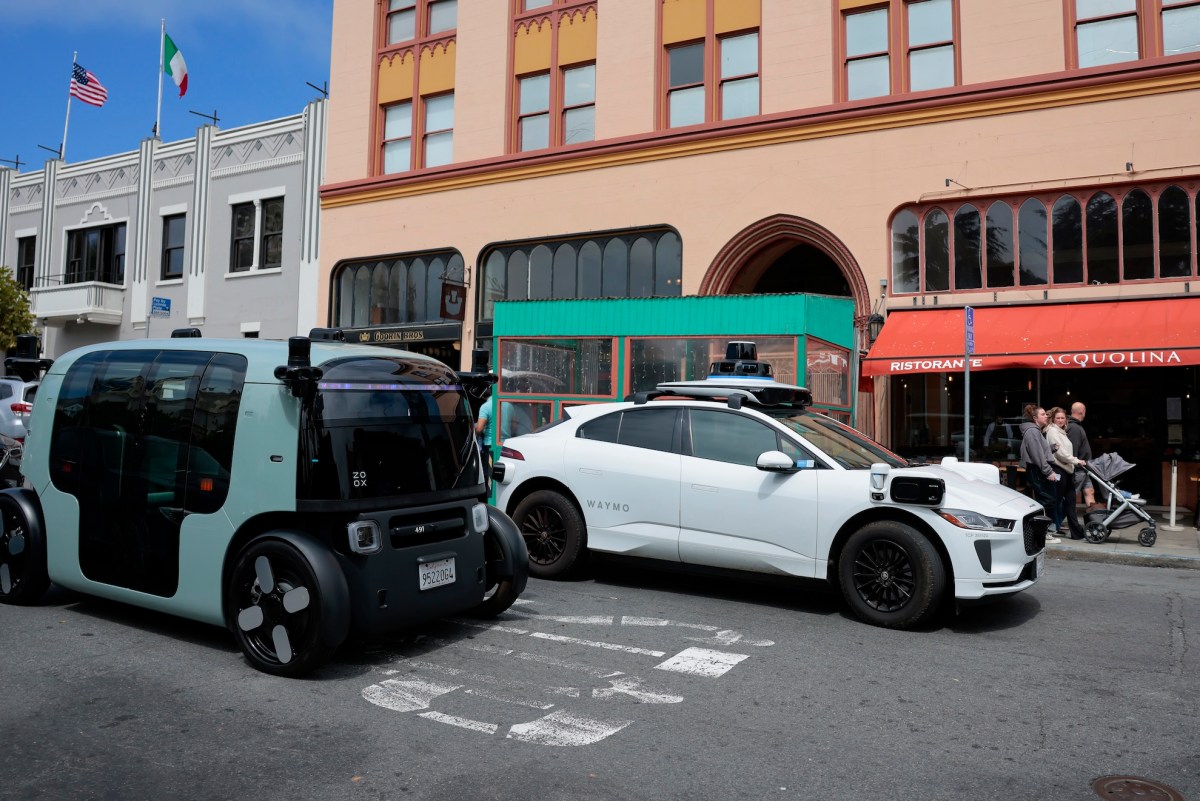
On a typical day in San Francisco, dozens of Waymo robotaxis glide through the streets with minimal disruption. However, TechCrunch has documented numerous incidents where these autonomous vehicles have impeded traffic, driven into active crime scenes, or interfered with first responders. Similar problems have surfaced outside the Bay Area, and in some cases companies have had to rely on emergency personnel to move stalled robotaxis.
Recognizing that these disruptions are occurring in the early stages of the robotaxi era, California legislators have introduced Senate Bill 1246, which Governor Gavin Newsom signed into law this week. The statute establishes a set of new requirements for autonomous vehicles designed to improve safety and shorten response times when AVs become disabled or obstruct emergency crews. It also creates mechanisms to hold companies accountable if they fail to comply.
Under the bill, companies such as Tesla, Waymo, and Zoox must provide local, on‑the‑ground support when their robotaxis cause problems and could face financial penalties if a vehicle blocks police or firefighters for more than thirty minutes. Additionally, AV developers are permitted to employ only remote drivers who are based in the United States and who hold a valid U.S. driver’s license. Firms must also notify cities, towns, and other local jurisdictions about the location and status of vehicles during system‑wide failures and must supply “local incident technicians” capable of assisting with AV accidents and obstructions.
The California Department of Motor Vehicles will oversee the remaining implementation details, as it serves as the primary regulator for autonomous vehicles in the state. The law is slated to take effect in July 2028, prompting the question of whether it will successfully keep robotaxis out of the way of emergency responders. While skeptics doubt it will eliminate all issues, the legislation aims to reduce chaos and increase accountability when incidents do occur.
Funding Moves Across EV and Tech Sectors
In related venture news, Harbinger, the electric‑vehicle startup, announced a $300 million agreement to supply FedEx with 2,000 of its electric trucks. HyperGuest, an Israeli travel‑technology company, secured $25 million from AMI, the investment arm of Apax Partners. REGENT Craft, developer of the all‑electric Seaglider, extended its collaboration with the U.S. Marine Corps Warfighting Lab, bringing the total contract value to $19.25 million.
Quartermaster, an Arlington, Virginia‑based maritime intelligence startup, closed a $140 million Series B round. Approximately $100 million came from Insight Partners, defense‑focused Overmatch Ventures, and First Round Capital, while the remaining $40 million was provided as a debt facility from investment bank Stifel. Voltaback, a French fleet‑management software startup, raised €2.8 million from European investment fund Serena.
Other Notable Developments
Several additional stories rounded out the update. Aurora revealed plans to field 30,000 autonomous trucks by the end of 2030; the company’s CFO, David Maday, discussed the strategy behind that ambitious target. BMW unveiled its 2027 3 Series, offering essentially the same vehicle in gasoline and electric variants, prompting a comparison of ownership costs.
DoorDash shared further details about its new drone delivery service, DoorDash Air, outlining the autonomous aircraft and ground‑based systems that will support the operation. Kodiak announced it has landed Ikea as a customer and will begin driverless deliveries on public highways later this year, using a 219‑mile stretch of Interstate 45 between Houston and Dallas.
Lyft agreed to pay $272.5 million to settle a lawsuit alleging the ride‑hailing firm violated California law by misclassifying drivers as independent contractors rather than employees; the settlement covers conduct that preceded the passage of Prop 22. Northeastern University tested twenty‑one late‑model models from seventeen automakers and thirty companion mobile apps, finding that vehicles are collecting extensive personal data and sharing it with firms such as Adobe, Contentsquare, Google, Microsoft, Meta, Snap, and Yahoo.
SpaceX’s Starship rocket achieved Earth orbit for the first time, although the flight encountered some drama along the way. Rivian reported a record‑setting quarter of sales driven by the new R2 SUV and reaffirmed its forecast of delivering between 65,000 and 70,000 vehicles this year. The company issued a recall for the R2 SUV due to potentially loose fasteners on its high‑voltage battery pack, which could lead to a loss of power while driving.
Tesla sold more than 480,000 electric vehicles in the third quarter, marking its second consecutive strong quarter after a softer start to the year. The company delayed its Roadster 2 event again because of adverse weather. While Tesla’s traditional automotive business continues to perform, the firm is increasingly positioning itself as an AI and robotics enterprise, referencing Elon Musk’s fourth Master Plan that envisions robotaxis, robots, and AI delivering “amazing abundance.” To support those ambitions, Tesla secured $30 billion in fresh credit lines that could be allocated to future products such as the Optimus robot and the Cybercab robotaxi.
Finally, TechCrunch’s annual Disrupt conference is set for 2026 in San Francisco. The event will feature onstage interviews with Rivian CEO RJ Scaringe, GM robotics strategy director Mikell Taylor, Shield AI CTO Nathan Michael, and Waabi founder Raquel Urtasun on a panel about building AI systems when failure is not an option. Additional sessions will include conversations with leaders from Cerebras, Nvidia, OpenAI, and Replit, among others.