The Dental Crown of the Future Could be 3D-Printed While You Wait
The Future of Dental Restoration
Imagine walking into a dentist’s office and leaving with a brand-new, custom-made dental crown in just a few hours. This is not the stuff of science fiction, but a real possibility thanks to groundbreaking research from the University of Texas at Dallas.
Researchers at the university have developed a technology that can produce permanent 3D-printed zirconia restorations in a single day. Zirconia is considered the gold-standard material for permanent dental work due to its exceptional strength and durability.
The technology, supported by the National Science Foundation (NSF), has the potential to revolutionize the field of dentistry. With the ability to produce custom-made dental crowns, bridges, and veneers in a matter of hours, patients can enjoy faster treatment times, greater personalization, and the convenience of receiving a permanent restoration in a single visit.
Why Zirconia Crowns Are Difficult to 3D Print Quickly
Dental crowns are protective caps placed over teeth that have been damaged or affected by decay. Crowns can also be used to support a dental bridge, which replaces a missing tooth. 3D-printed dental restorations have become increasingly attractive due to their ability to be customized more precisely and matched to a patient’s tooth color.
However, same-day 3D-printed crowns currently available are generally made from ceramic resins, which do not have the strength of zirconia. This has limited the adoption of 3D-printed zirconia crowns in dental practices. The manufacturing process for zirconia crowns can also be more complex and time-consuming, requiring multiple stages and potentially resulting in material waste.
Cutting a 20 to 100 Hour Process to Minutes
Once a zirconia crown has been 3D-printed, it must pass through two critical stages called debinding and sintering. Debinding involves slowly heating the crown to remove the resin that holds the zirconia particles together during printing. Traditionally, this step can require anywhere from 20 to 100 hours.
After debinding, the crown is sintered, which involves high-temperature firing to fuse the zirconia particles together and form a dense, hardened material. This process can also be time-consuming, making it challenging to produce zirconia crowns in a single day.
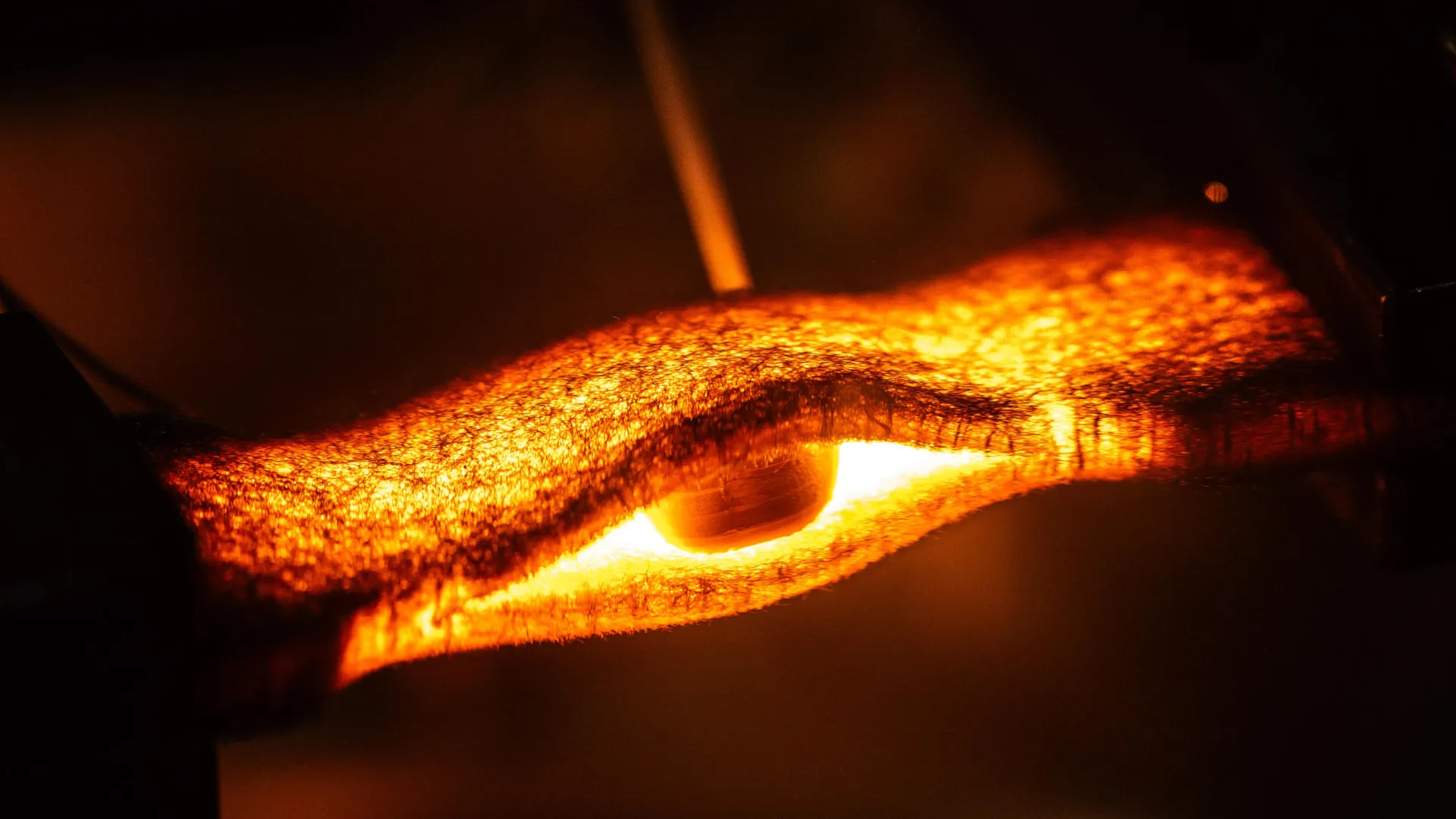
The new UT Dallas technology has addressed this issue by developing a method that dramatically shortens the debinding stage to less than 30 minutes. This is achieved through a combination of improved heat transfer and the use of porous graphite felt that can reach temperatures above 2,550 degrees Fahrenheit.
Moving Toward Same-Day Commercial Dentistry
The UT Dallas team, led by Dr. Majid Minary, is now working with Pan-AM Dental Laboratory to move the technology toward commercialization. The collaboration has received a $550,000 award from the NSF’s Partnerships for Innovation — Technology Translation project.
The commercialization effort also includes 3DCeram Sinto Inc. in Grand Ledge, Michigan, and Dr. Amirali Zandinejad, a prosthodontist in Arlington, Texas. The team is working to validate the technology through clinical trials and obtain regulatory approval.
The potential impact of this technology is significant, with the ability to produce custom-made dental restorations in a single day. This could revolutionize the field of dentistry, providing patients with faster treatment times, greater personalization, and the convenience of receiving a permanent restoration in a single visit.
Key Contributors
The research team at the University of Texas at Dallas includes Dr. Majid Minary, Dr. Moein Khakzad, Dr. Zahra Sepasi, Dr. Kalyan Nandigama, and Dr. Golden Kumar. The team has received support from the NSF and the U.S. Air Force Office of Scientific Research.