The Enhanced Games — Tech’s Steroid Extravaganza — Didn’t Pay Off, as Company Posts $60 Million Loss
Failed Experiment in Performance Enhancement
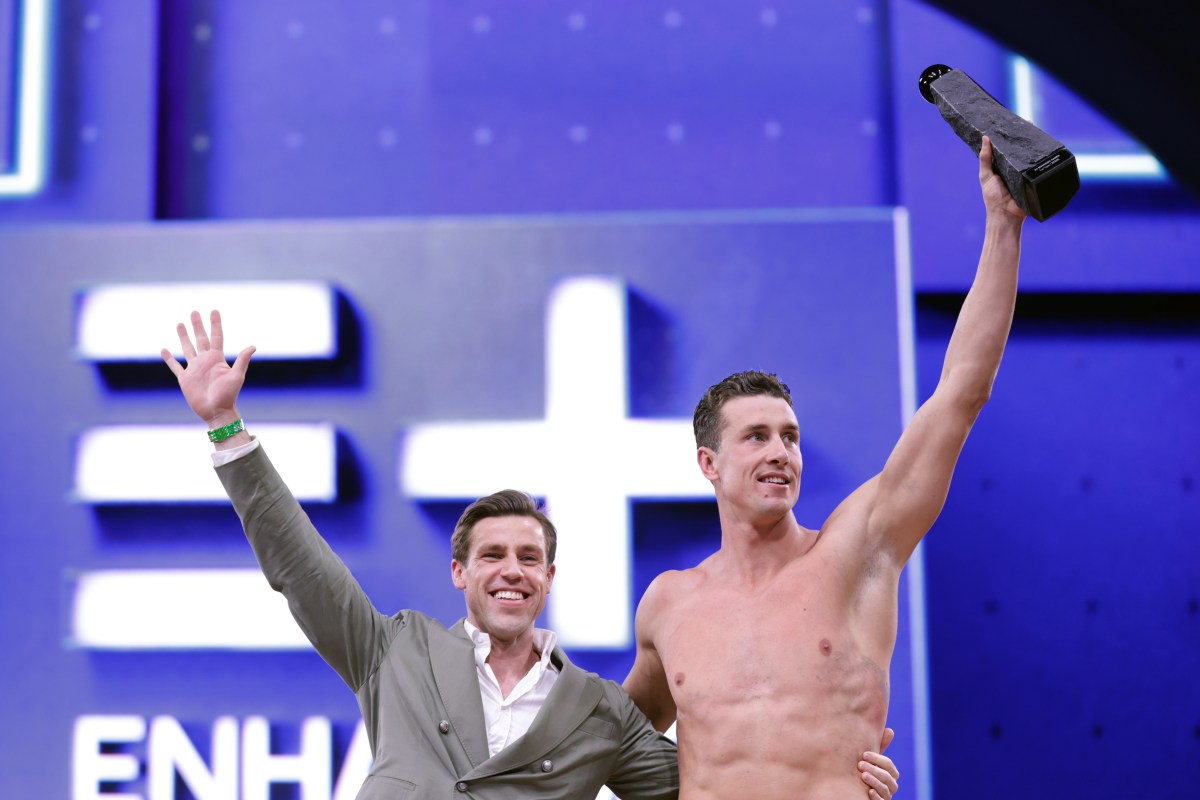
In a bold attempt to revolutionize the world of organized sports, the Enhanced Group, a telehealth company backed by notable investors like Peter Thiel, hosted the Enhanced Games in Las Vegas. This unique competition allowed athletes to use performance-enhancing drugs, typically banned in professional sports, in a bid to break records and push human limits.
However, the event turned out to be more of an anticlimax than a groundbreaking achievement. Despite its creators’ high expectations, the Enhanced Games resulted in few exciting feats, with only one world record broken in the sport of swimming. This lackluster performance has raised serious questions about the future of the Enhanced Games and the company’s ability to sustain such an event.
Commercial Failure
The Enhanced Group’s second-quarter earnings report has revealed a net loss of nearly $62 million, with most of this loss attributed to the hosting costs of the Enhanced Games. The company’s core business, which involves selling personalized health treatments via a digital telehealth platform, has failed to generate significant revenue. In fact, the majority of the company’s income during the last quarter came from sponsorships tied to the Enhanced Games, rather than its telehealth services.
The company’s Q2 earnings report also highlights the recent launch of Enhanced Breakers, a new online series that aims to provide a more cost-effective alternative to the Enhanced Games. This move has sparked speculation about the company’s future plans and its ability to pivot away from the financial burden of hosting the Enhanced Games.
The Booming Peptide Industry
Despite the Enhanced Group’s struggles, the industry surrounding the Enhanced Games is gaining momentum. The peptide business, in particular, is booming, thanks in part to a recent decision by the Food and Drug Administration (FDA) to reclassify certain substances that have long resided in a legally gray area. While this move has not yet opened the floodgates for the sale of these substances, it highlights the government’s interest in deregulating the industry.
The FDA’s parent agency, the U.S. Department of Health and Human Services, is overseen by Robert F. Kennedy Jr., a well-known advocate for unconventional views on health. Kennedy’s ideas have been criticized by health professionals both inside and outside of the government, who have characterized his thinking as dangerous. Despite this criticism, the peptide industry continues to grow, with Silicon Valley emerging as a hotbed for peptide startups.
Companies like Superpower and Noho Labs are capitalizing on the tech industry’s penchant for biohacking and trendy health supplements. However, the sector’s growth is outpacing the rules meant to govern it, with state governments struggling to keep up with regulatory schemes.
The Enhanced Group’s financial struggles and the commercial failure of the Enhanced Games have raised questions about the company’s future plans and its ability to sustain such an event. As the industry around it continues to grow, it remains to be seen whether the Enhanced Group will be able to pivot and adapt to the changing landscape.