Warren Buffett’s Berkshire Raises Stake in Delta Air Lines, Despite Past Skepticism
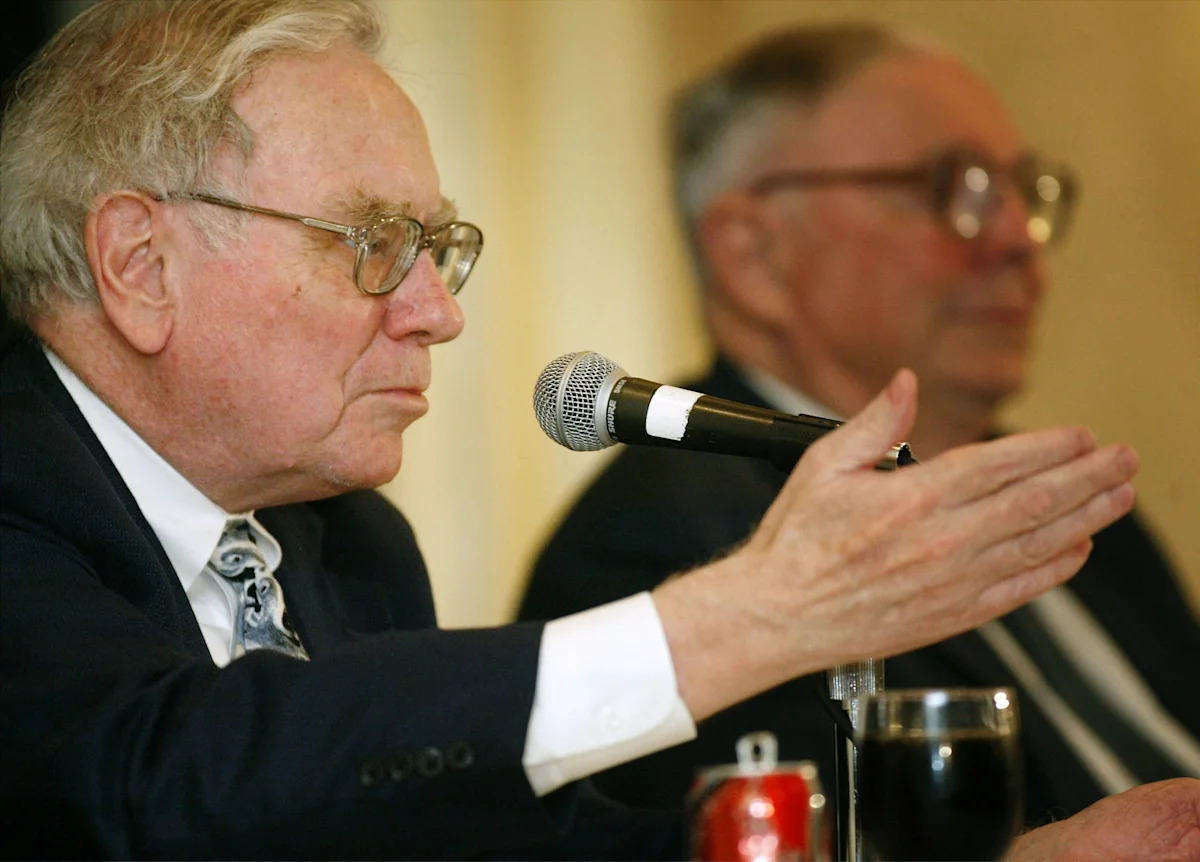
Warren Buffett’s Berkshire Raises Stake in Delta Air Lines
Warren Buffett, the renowned billionaire investor, has long been skeptical about the airline industry. In fact, he once called it a ‘capital trap’ where fuel costs and fare wars could erase profits almost overnight. However, it appears that Buffett’s conglomerate, Berkshire Hathaway, has now changed its tune and is investing heavily in Delta Air Lines.
In a recent 13F filing, it was revealed that Berkshire’s stake in Delta Air Lines jumped by 44% during the second quarter of 2026, reaching 57.3 million shares. This position was valued at approximately $5.4 billion at the end of June. This significant increase in investment is a stark contrast to Berkshire’s decision to dump its entire airline portfolio in 2020, incurring substantial losses.
So, what has changed? The airline industry itself has undergone significant transformations, making Delta Air Lines an attractive investment opportunity. Delta’s numbers have been impressive, with record second-quarter revenue of $17.7 billion, a 14% increase from the previous year, despite a 1% capacity growth. The airline’s unit revenue growth stood at 12.4% in Q2, and pretax profit reached $1.4 billion, with earnings of $1.56 per share and an operating margin of 9%.
Delta’s diversified revenue streams have also contributed to its success. The airline’s premium and loyalty revenue each grew nearly 20%, while cargo revenue jumped 39%, and its third-party maintenance business grew more than 30%. The American Express partnership has been a significant contributor to this shift, with card spending growing by double digits for seven straight quarters. Delta expects to collect $9 billion from Amex this year, a 10% increase from 2025.
The airline’s balance sheet has also improved, with total shareholders’ equity climbing steadily from $15.3 billion at the end of 2024 to $21.8 billion at the end of Q2. Long-term debt has decreased, falling from $14 billion at the end of 2024 to $10.5 billion at the end of Q2. Delta’s adjusted net debt stood at $13.6 billion, down from the start of the year.
Delta’s cash generation has also been impressive, producing $8.1 billion in operating cash flow on a trailing basis and $3.4 billion in free cash flow, even after spending $4.7 billion on capital projects like new aircraft and lounges. The airline is guiding to full-year earnings of $6.50 to $7.50 per share, marking a 20% growth from last year, along with $3 billion to $4 billion in free cash flow.
For Berkshire, which once walked away from the airline industry, doubling its Delta stake in a single quarter suggests that Abel and his team see something durable here, not just a short-term rebound.
What This Means for Delta Stock Going Forward
Delta is not backing off its outlook, and the airline is guiding to full-year earnings of $6.50 to $7.50 per share, marking a 20% growth from last year, along with $3 billion to $4 billion in free cash flow. Management also pointed to a longer-term goal of mid-teens operating margins and returns on invested capital.
Bastian argued on the July earnings call that the industry itself has changed in ways that favor his airline specifically, pointing to reduced discount capacity, higher loyalty spending, and diversified revenue as reasons the current momentum should hold, even if fuel prices ease.