What to Know About the Trial of Former Tiananmen Vigil Organizers Before a Verdict
Hong Kong is bracing itself for a verdict in the case of two former leaders of the Hong Kong Alliance in Support of Patriotic Democratic Movements of China, who are being tried under a China-imposed national security law.
The law, introduced in 2020, has been used to silence dissent and silence pro-democracy activists in the city, with many prominent figures, including former media tycoon Jimmy Lai, already serving time in prison.
Background on the Case
The two activists, Lee Cheuk-yan and Chow Hang-tung, were charged in September 2021 with inciting subversion and face a maximum jail term of 10 years if convicted.
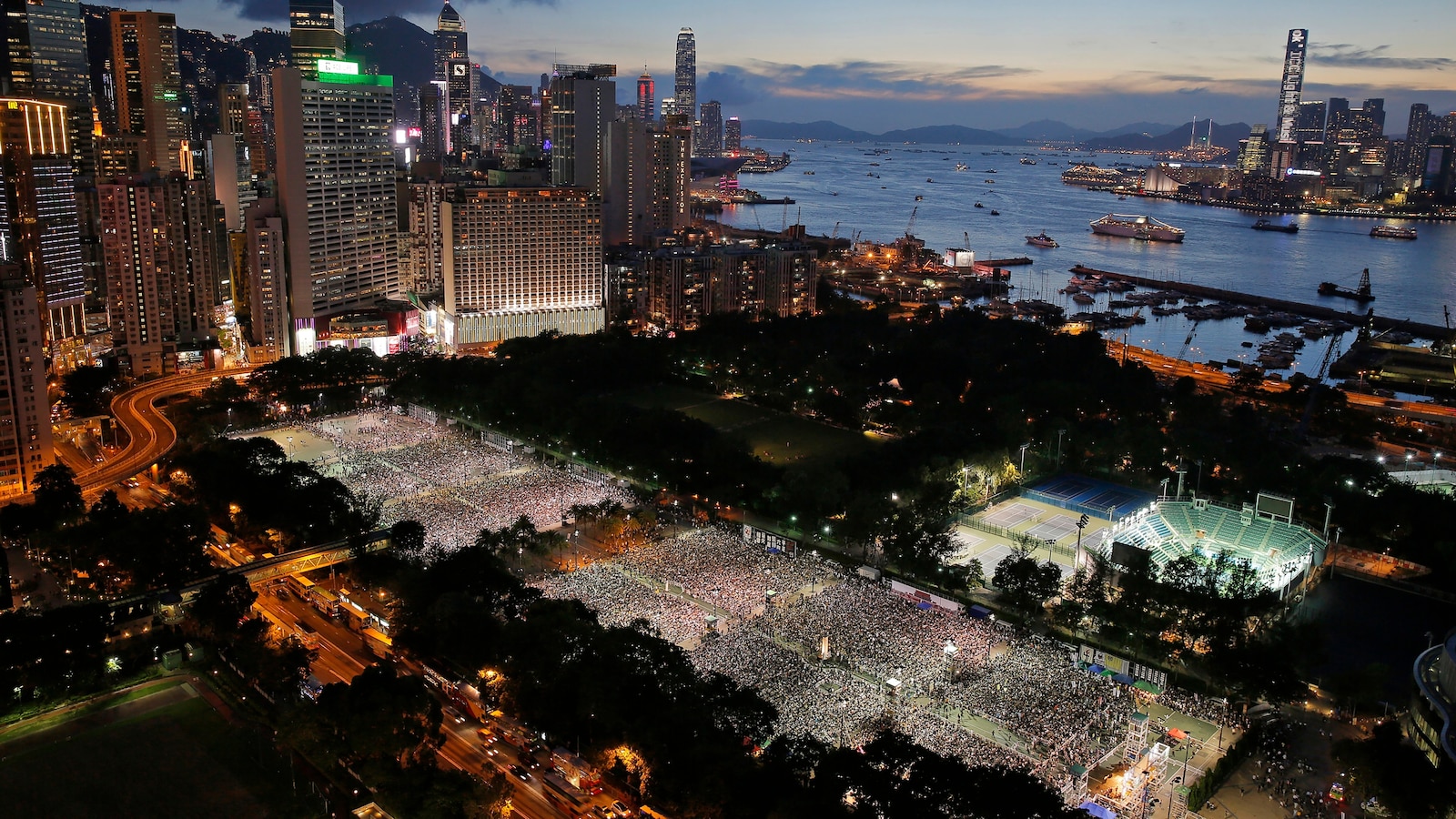
Lee, the former chairperson of the Hong Kong Alliance, and Chow, a former vice chair, are being tried for their role in organizing the annual Tiananmen Square vigil, which was banned in 2020 due to the COVID-19 pandemic.
The vigil, which was held annually in Hong Kong to commemorate the 1989 Tiananmen Square crackdown, was seen as a key symbol of the city’s autonomy and democracy. The event attracted tens of thousands of people each year and was seen as a way to keep memories of the crackdown alive.
However, the ban on the vigil marked a significant blow to the city’s pro-democracy movement, which has been under increasing pressure from the Chinese government in recent years.
Lee and Chow have pleaded not guilty to the charges, arguing that they were simply advocating for democracy and human rights. Their defense team has also argued that the charges are an attempt to silence dissent and stifle free speech in the city.
The Significance of the Case
The trial of Lee and Chow has been seen as a litmus test of Hong Kong’s civil rights and judicial independence. The case has sparked widespread concern among human rights groups and pro-democracy activists, who see it as an attempt to silence dissent and stifle free speech in the city.
Eric Lai, a senior fellow with the Georgetown Center for Asian Law, has said that the case is a clear example of the erosion of civil rights and judicial independence in Hong Kong. He has argued that the charge of inciting subversion is a common tool used by the Chinese government to silence dissent and stifle free speech.