Pachacamac – Ancient Sacred City of the Andes and Peru’s Mystical Ruins


Introduction
Pachacamac Archaeological Site is one of the most important pre-Columbian religious centers in South America. Located just outside Lima, this ancient city was once a major pilgrimage destination for Andean civilizations, long before the rise of the Inca Empire.
Today, visitors can explore vast desert ruins, sacred temples, and panoramic coastal landscapes that reveal the spiritual and cultural depth of ancient Peru.
The Rise of a Sacred Pilgrimage Center


A Spiritual Capital Before the Incas
Pachacamac was a powerful religious hub for centuries.
Key highlights:
- Founded over 1,500 years ago
- Important center for multiple Andean cultures
- Dedicated to the god Pachacamac
- Later integrated into the Inca Empire
- Major pilgrimage destination in ancient times
Its influence extended across vast regions of the Andes.
Exploring the Temple of the Sun


A Monument Facing the Pacific Ocean
One of the site’s most iconic structures is the Temple of the Sun.
Key highlights:
- Built by the Inca civilization
- Located on a coastal hilltop
- Overlooks the Pacific Ocean
- Used for religious ceremonies
- Made of adobe and stone
Its location reflects deep spiritual symbolism.
Walking Through Ancient Adobe Ruins


A Lost City Preserved in Time
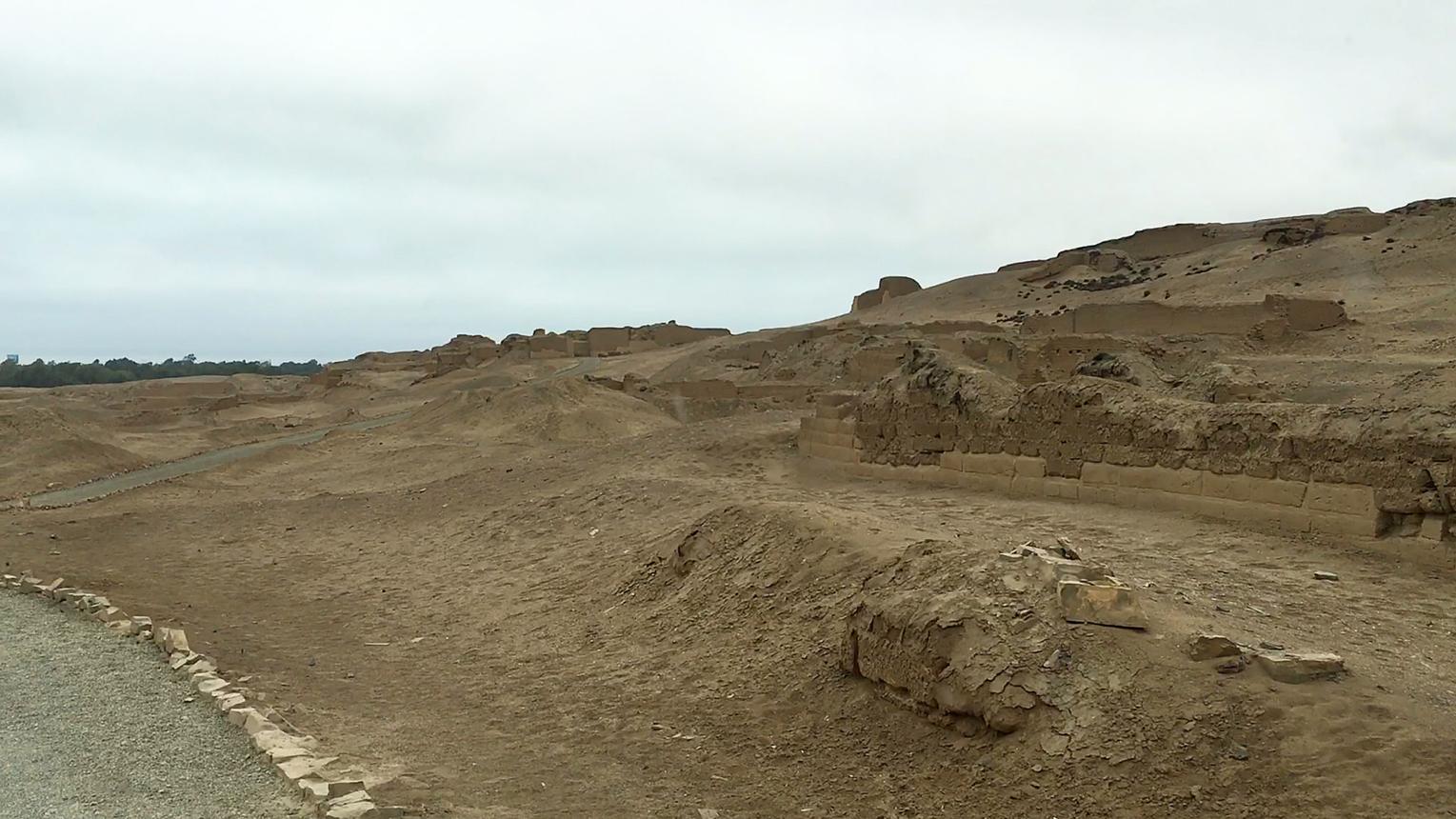
The site is filled with fascinating structures.
Key highlights:
- Mudbrick (adobe) architecture
- Ceremonial plazas and courtyards
- Residential remains
- Administrative buildings
- Sacred ritual spaces
Walking here feels like stepping into the past.
Discovering the Temple of Pachacamac


The Heart of an Ancient Oracle
This temple was once the center of spiritual prophecy.
Key highlights:
- Dedicated to the god Pachacamac
- Considered an oracle site
- Pilgrims traveled long distances
- Religious rituals performed here
- One of the oldest structures in the complex
It was believed to connect humans with the divine.
Museum of Pachacamac Experience


Understanding the Civilizations Behind the Ruins
Before exploring the site, many visitors start at the museum.
Key highlights:
- Site Museum of Pachacamac
- Ancient ceramics and textiles
- Ritual objects and tools
- Historical reconstructions
- Educational exhibitions
It helps bring the ruins to life.
Walking the Desert Landscape


Where Sand Meets Sacred History
The environment itself is part of the experience.
Key highlights:
- Coastal desert terrain
- Dry, dramatic landscapes
- Panoramic viewpoints
- Strong winds and open spaces
- Golden sunset lighting
The scenery enhances the mystical atmosphere.
Experiencing Panoramic Views of the Valley


A Strategic and Sacred Location
The site offers breathtaking elevated views.
Key highlights:
- Overlooks Lurín Valley
- Views toward the Pacific Ocean
- Strategic ceremonial positioning
- Wide desert horizons
- Ancient urban planning perspective
The location was chosen for spiritual power.
Cultural Significance of Pachacamac


A Legacy That Shaped Andean Civilization
Pachacamac influenced generations of cultures.
Key highlights:
- Spiritual center of the Andes
- Multi-civilizational heritage site
- Inca religious integration
- Mythological importance
- Archaeological significance today
It remains a symbol of Peru’s ancient identity.
Practical Tips for Visiting Pachacamac


How to Make the Most of Your Trip
A few tips improve the experience.
Key highlights:
- Visit early morning or late afternoon
- Bring sun protection and water
- Hire a local guide for deeper insights
- Combine with a Lima day trip
- Wear comfortable walking shoes
Preparation is key in the desert climate.
Why Pachacamac Is a Must-Visit in Peru


A Journey Into Peru’s Ancient Spiritual World
Pachacamac Archaeological Site is more than an archaeological site—it is a sacred gateway into the beliefs, rituals, and civilizations of ancient Peru. From towering adobe temples to vast desert landscapes, every corner tells a story of devotion and cultural power.
For travelers exploring Lima, Pachacamac offers an unforgettable journey into the spiritual heart of the Andes.