Parthenon – The Iconic Temple of Ancient Greece


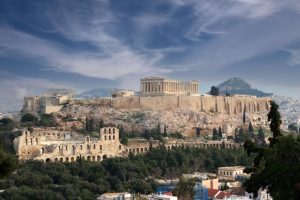
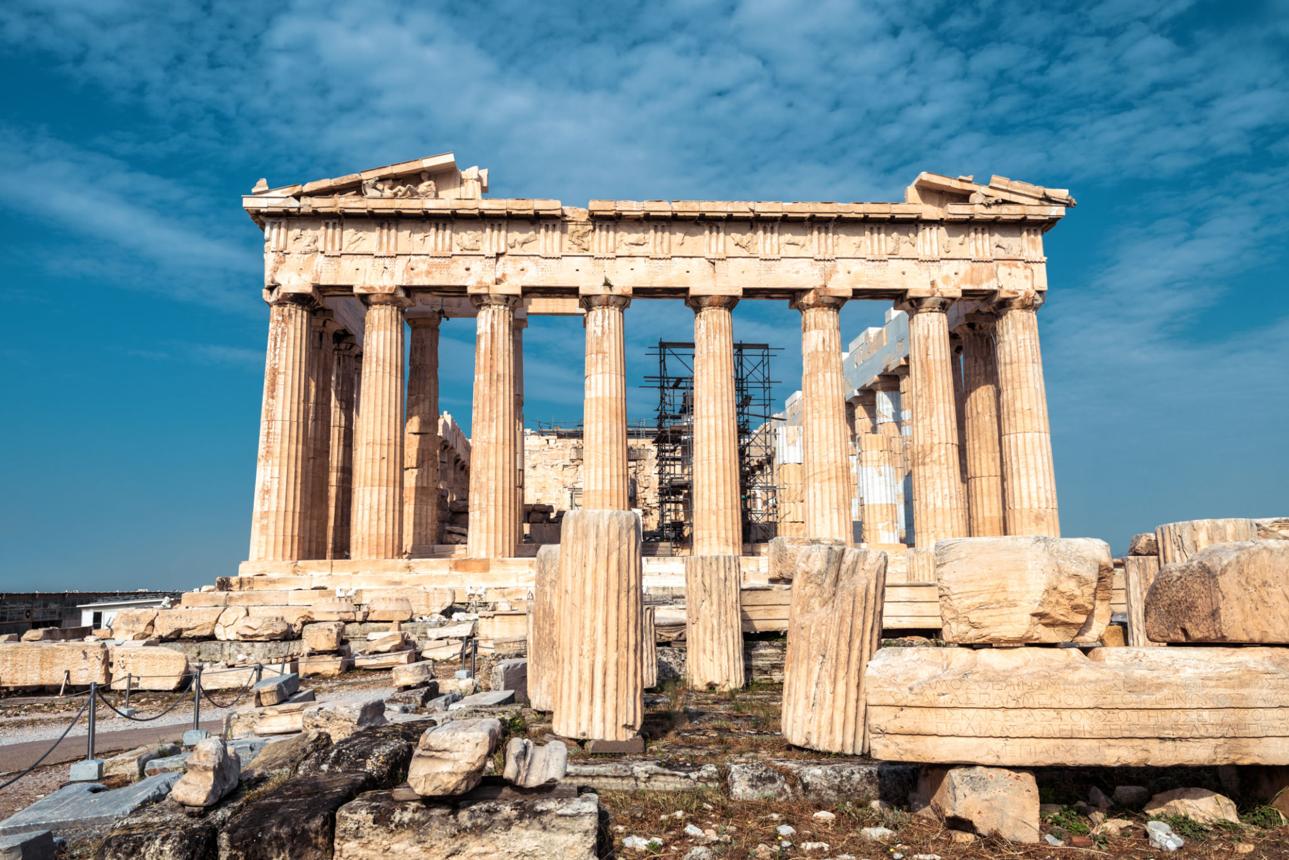
Parthenon is one of the most famous ancient monuments in the world and the greatest symbol of classical Greek civilization. Located atop the Acropolis of Athens in Athens, Greece, the Parthenon has stood for more than 2,400 years as a masterpiece of architecture, history, and cultural achievement.
Built during the Golden Age of Athens, the Parthenon continues to attract millions of travelers, historians, and architecture enthusiasts from around the world.
The History Behind the Parthenon


The Parthenon was constructed between 447 and 432 BCE under the leadership of the statesman Pericles.
The temple was dedicated to Athena, the goddess of wisdom and protector of Athens.
It represented:
- the power of Athens
- artistic excellence
- religious devotion
- the achievements of Greek democracy
Over the centuries, the Parthenon served multiple roles, including:
- a temple
- a church
- a mosque
- a historical monument
Despite wars, explosions, and damage through history, the Parthenon remains one of humanity’s most important cultural treasures.
Why the Parthenon Is Architecturally Extraordinary


The Parthenon is considered one of the greatest achievements in classical architecture.
Perfect Symmetry and Design
Ancient Greek architects designed the temple with incredible precision and mathematical balance.
Massive Marble Construction
The structure was built primarily from white Pentelic marble, giving it its magnificent appearance.
Optical Illusions in Architecture
The architects used subtle curves and design techniques to make the building appear perfectly straight and harmonious to the human eye.
These innovations continue to influence modern architecture worldwide.
The Famous Sculptures and Artwork


The Parthenon was once decorated with extraordinary sculptures created under the supervision of the famous sculptor Phidias.
These artworks included:
- marble friezes
- statues of gods and heroes
- detailed mythological scenes
Many surviving sculptures are now displayed in museums, including the nearby Acropolis Museum.
Visiting the Parthenon Today


Visiting the Parthenon is one of the highlights of traveling in Greece.
Panoramic Views Over Athens
The temple’s hilltop location provides spectacular views of Athens and surrounding landscapes.
A Walk Through Ancient History
Visitors can explore the ruins while learning about ancient Greek civilization and mythology.
Incredible Photography Opportunities
The Parthenon becomes especially beautiful during sunrise and sunset when golden light reflects off the marble structure.
Best Time to Visit the Parthenon


The Parthenon can be visited throughout the year, but some seasons offer more comfortable experiences.
Spring and Autumn
These seasons provide pleasant weather and fewer crowds.
Early Morning Visits
Morning visits are ideal for cooler temperatures and quieter sightseeing.
Sunset Hours
Sunset creates stunning lighting conditions perfect for photography.
Nearby Attractions Around the Parthenon


Several famous attractions are located near the Parthenon.
Travelers should also explore:
- Acropolis Museum
- Plaka district
- Ancient Agora
- Temple of Olympian Zeus
These historic sites help visitors better understand ancient Greek civilization.
Helpful Travel Tips Before Visiting


Useful travel tips before visiting:
- Wear comfortable walking shoes
- Bring water during hot summer months
- Visit early to avoid crowds
- Carry sunscreen and a hat
- Allow extra time for nearby historical attractions
A Timeless Symbol of Human Achievement
The Parthenon is far more than an ancient temple. It stands as a symbol of creativity, democracy, philosophy, and artistic excellence that shaped Western civilization for centuries.
For travelers passionate about history, architecture, and culture, visiting the Parthenon is an unforgettable experience that brings the ancient world of Greece vividly to life.